As Ugandans go to the polls next week they are faced with a choice of propelling a leader into his fifth decade in power or backing a candidate seeking to capitalise on the desire for change from some quarters.
President Yoweri Museveni, 81, in office since 1986, is aiming for a seventh successive election victory. His main challenger, pop-star-turned-politician Bobi Wine, 43, has promised a revolution in governance and sweeping reforms.
Campaigning has been marked by the disruption of opposition activities, including the detention of activists and breaking up of rallies by police. With high rates of youth unemployment in a country where the majority of the population is under 30, the economy has become a key concern in the campaign.
When is Uganda's general election?
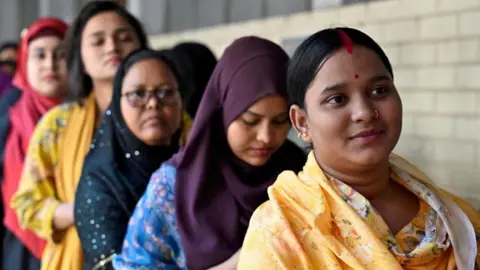
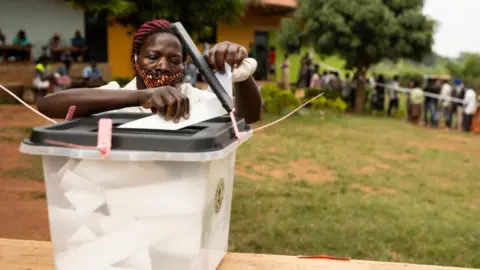
Polling is scheduled for Thursday 15 January. Polls are due to open at 07:00 local time (04:00 GMT) and close at 16:00. Anyone in the queue at that time will be allowed to vote.
What are Ugandans voting for?
The 21.6 million registered voters will be taking part in three elections:
- Presidential - there are eight candidates to choose from
- Parliamentary (1) - 353 constituency MPs will be elected
- Parliamentary (2) - 146 women representatives - one per local district - will be elected
Who could be the next president?
Museveni and Bobi Wine are the two front-runners among eight candidates. This is the second time they are facing off at the ballot box, with Museveni winning the 2021 poll amidst allegations of rigging and a crackdown on opposition. Bobi Wine, whose real name is Robert Kyagulanyi, is seen as embodying youthful aspirations for change.
Recent polls have shown Museveni to be a stable figure in Ugandan politics, though he has faced growing criticism for human rights abuses and stifling dissent. Despite this, he insists he is the nation's sole guarantor of stability.
Bobi Wine has rallied urban youth, presenting himself as a champion of democratic freedoms and economic reforms. However, he has faced harassment from security forces throughout the campaign.
What are the key concerns for voters?
Economic issues, particularly unemployment, weigh heavily on the minds of many as they prepare to vote. Average incomes have risen but job growth has not kept pace with the burgeoning population of young people seeking work.
Voters are also concerned about poor infrastructure, education, and corruption. Transparency International ranks Uganda poorly on its Corruption Perceptions Index, indicating significant challenges in governance.
Will the vote be free and fair?
Election integrity in Uganda has been historically questioned; UN experts have warned of a potentially unfair environment due to a pervasive climate of fear. Security forces have been accused of disrupting opposition rallies and perpetrating violence against dissenters.
When will we know the results?
If all goes as planned, the results of the presidential vote are expected to be announced by 16:00 local time (13:00 GMT) on Saturday 17 January.
How does the presidential vote work?
A candidate must secure more than 50% of the votes cast to win outright; failing that, a run-off between the top two candidates will occur within 30 days.