Spain’s Housing Crisis: Protesters Point the Finger at "Vulture Funds"
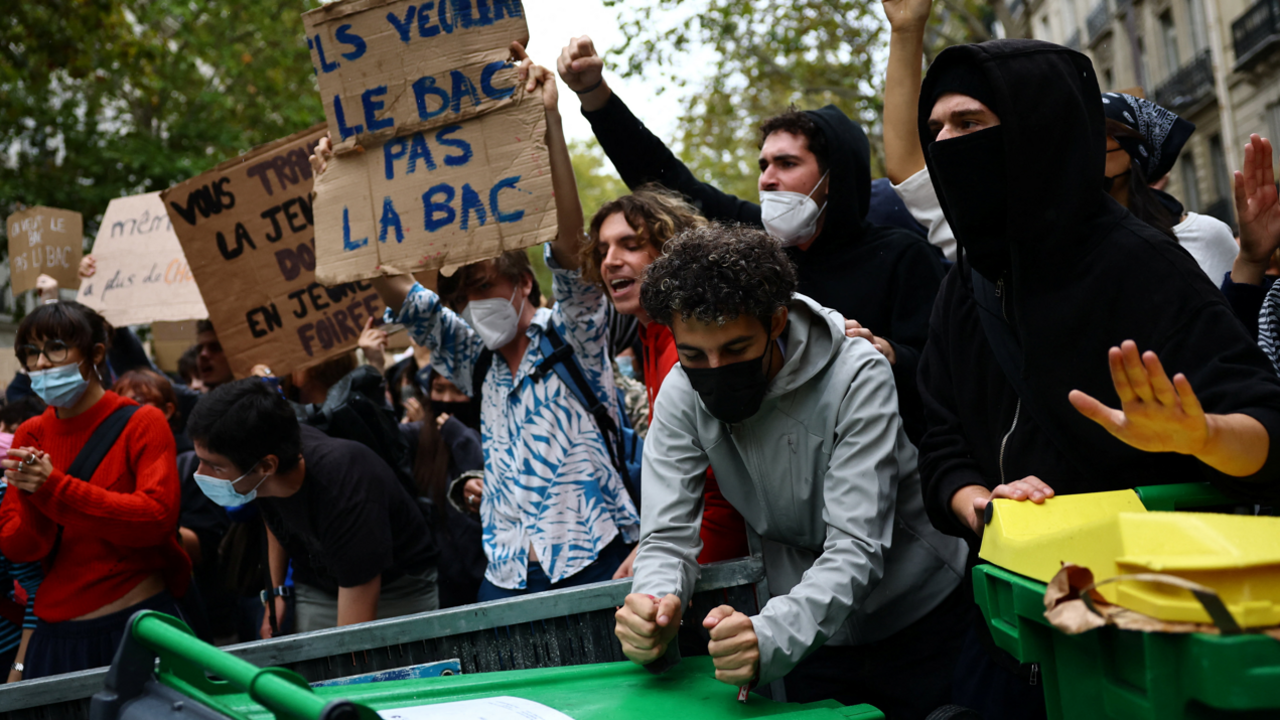
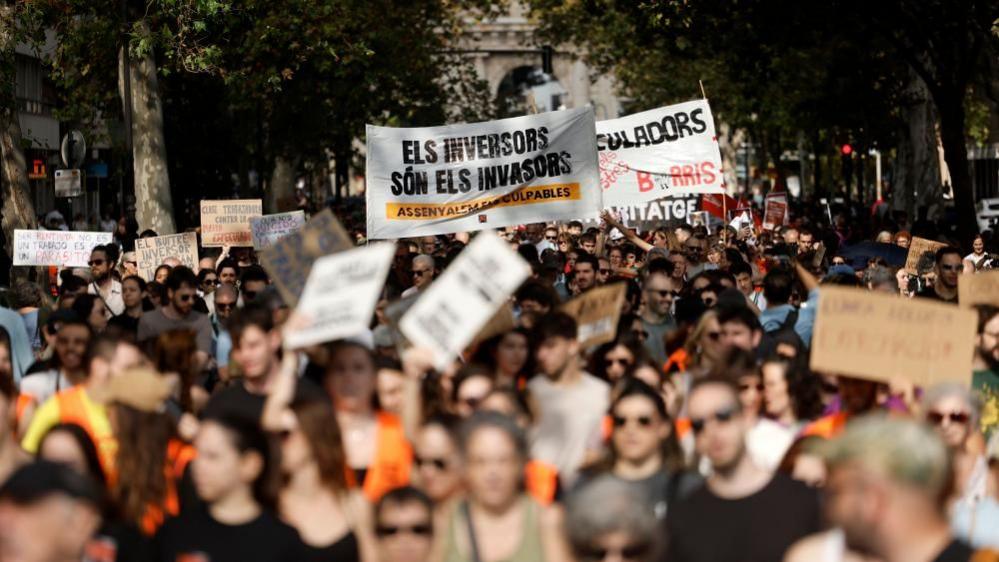
In the heart of Madrid, Pierina Nicuray, a 21‑year‑old university graduate, has set up a tent in Puerta del Sol for a full week to protest the country’s escalating housing crisis. She is not alone: hundreds of others have pitched tents in the same square, demanding that the state intervene to halt rising rents and restore homes to those who can’t afford them.
“A lack of homes,” Pierina says, adding that landlords are raising prices and that platforms such as Airbnb are inflating rents by taking otherwise affordable units. Her sentiment is echoed by 19‑year‑old film‑dubbing student Jorge Moreno, who notes that many homes become empty after being bought by so‑called “vulture” and investment funds, whose speculation “hikes up the rent until people are forced out.”
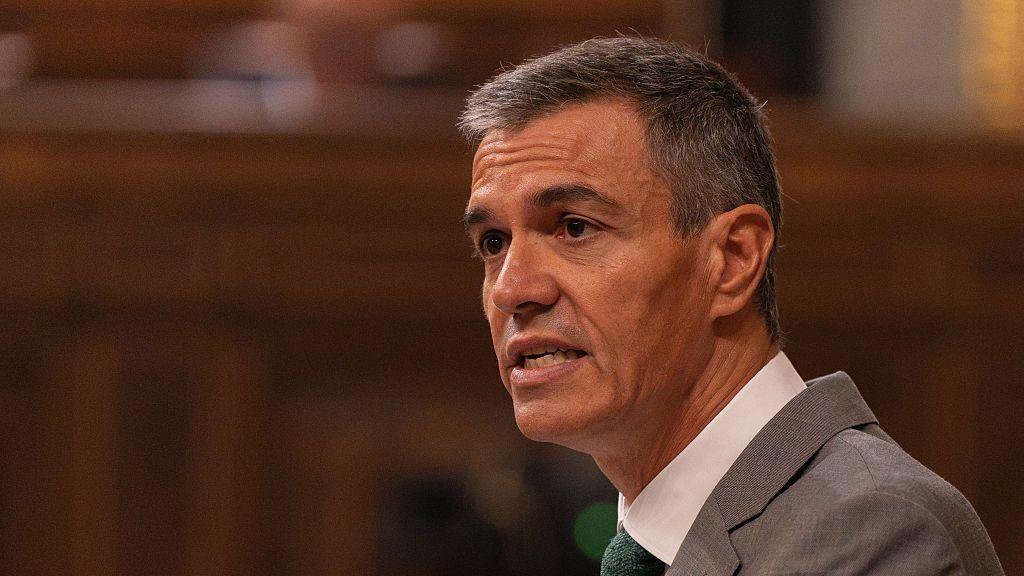
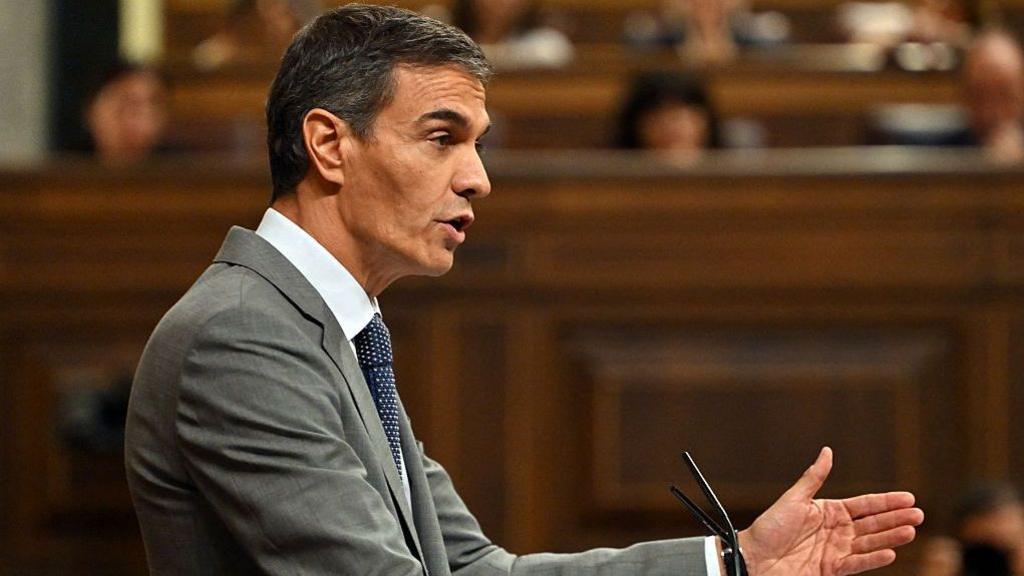
Both activists say the root of the problem is the same: the clearance of not enough homes for a growing city. Spanish Prime Minister Pedro Sánchez recently presented emergency measures to tackle the issue, explicitly targeting speculative housing. The reforms were rejected by Congress, leading Sánchez to call a snap election next month – a political spiral driven by protest pressure.
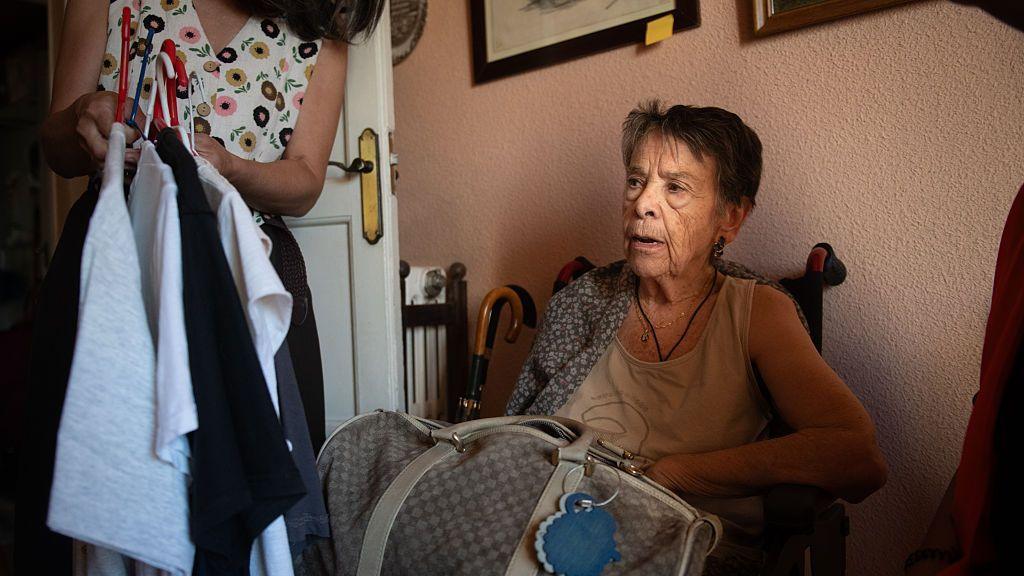
A striking case that sparked the national outcry is that of 87‑year‑old Maricarmen Abascal. She was evicted after an investment firm bought her flat, demanded she leave and increased the rent beyond her means. The firm fled the site only after widespread public outcry; yet Abascal died in hospital later that week. The story has become a lightning rod for critics who blame the crisis on private profiteers.
Statistically, rental prices are climbing. Spain’s property outlet Idealista reports an average increase of 84 % over the last decade, with some cities such as Málaga and Marbella seeing rises above 110 % and 150 % respectively. These steep numbers have turned housing into the country’s biggest social concern.
A recent study by the Centre for Sociological Research (CIS) found that 72 % of Spaniards want higher taxes on those owning ten or more properties, 76 % support limits on short‑term rentals, and 40 % back the expropriation of empty homes. The pressure is therefore both social and economic.
Economic analysts argue that the crisis’s core cause is supply shortage rather than speculative ownership. Jorge Galindo, director at the Esade centre for economic policy, notes that Bank of Spain data shows only 8 % of rental property is owned by companies – far from a concentration of power. He points to a national housing shortfall of around 750,000 homes, projected to rise to one million by 2028.
A demographic boom, fueled by migration and a boom in new households, has outpaced construction, which has stalled after the Eurozone crisis and is hampered by high building costs and political gridlock. Galindo warns that while projects like Airbnb lift prices locally, they do not explain the nationwide surge.
Meanwhile, wages lag behind. A study by El País shows average Spaniards enjoy 5 % less purchasing power than a decade ago. In Madrid, monthly earnings average just €1,550 – less than 20 % can end up paying for rent if it reaches 75 %‑80 % of income. 81‑year‑old retired taxi driver Francisco Pardo voices the same angst, telling reporters that “no one should have to spend so much of their salary on housing.”
The death of Maricarmen and the images of protest in Puerta del Sol have thrust the housing crisis into the national spotlight. In Madrid, stores of empty homes and thousands of tents shimmer under the winter sun – a tangible reminder that rent‑controlled markets and speculative investment remain at odds with ordinary Spaniards’ needs. The question now is whether a consensus can be reached to end the crisis.