Spain’s Housing Crisis Sparks Snap Election

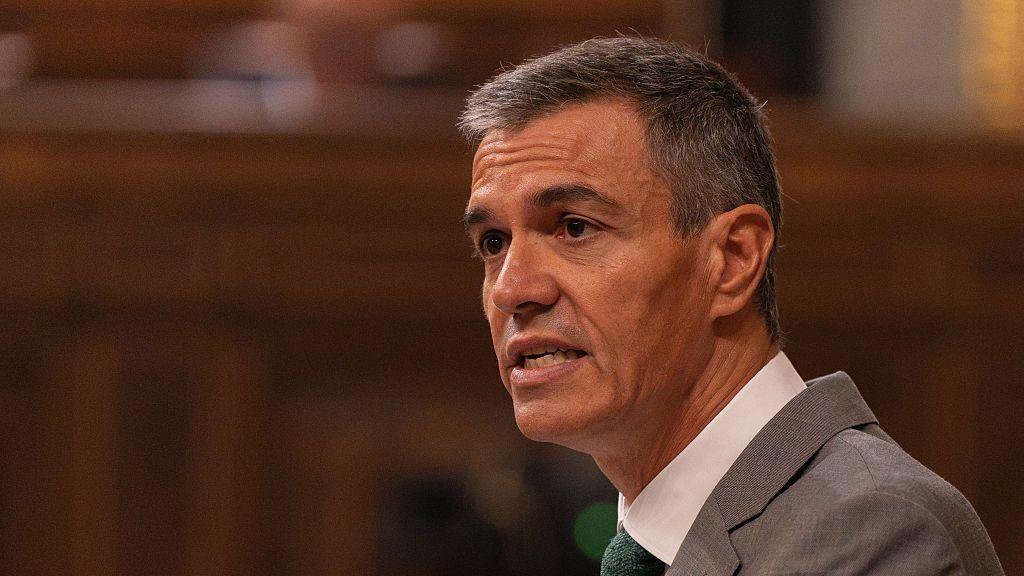
A defeat in Madrid last week on a raft of tenant‑friendly measures confirmed that the left‑wing coalition no longer holds a majority in Parliament. Following the rejection, President Pedro Sánchez announced a snap election for 29 November, using the housing crisis as the rallying point for his campaign.
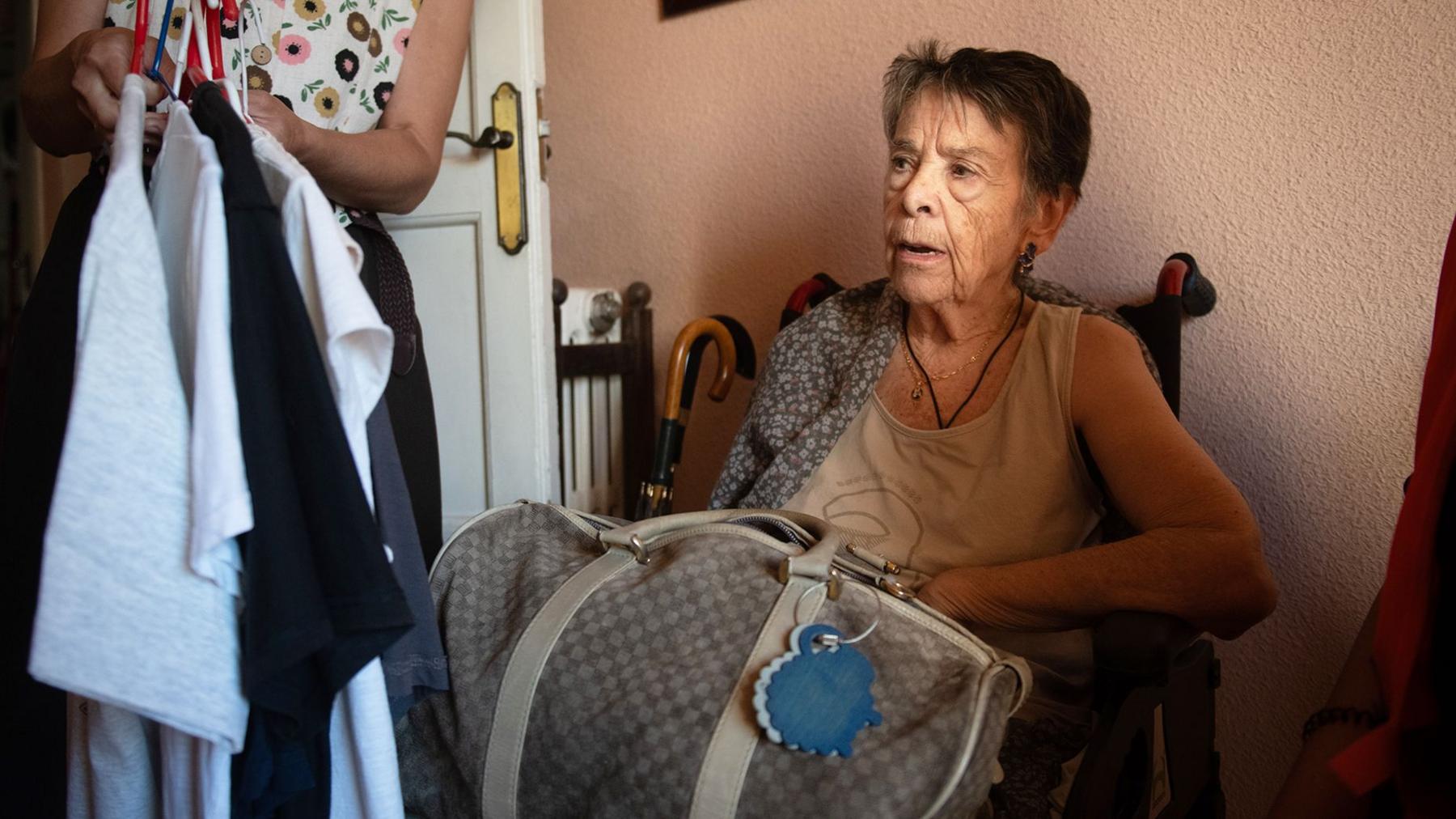
The policy package—which aimed to curb rising rents, safeguard tenants from eviction and limit investors’ buy‑in of residential property—was opposed by right‑wing parties. The People’s Party and the far‑right Vox voted against it, citing concerns that such intervention could backfire on the market.
Behind the political shuffle, Sanchez’s party has been rattled by a wave of corruption accusations. Former senior figures Santos Cerdán and José Luis Ábalos are under investigation, the ex‑Prime Minister José Luis Rodríguez Zapatero faces claims of money laundering from a state‑launched airline rescue, and Sanchez’s wife Begoña Gómez is due to stand trial over alleged misuse of funds. While the president and his wife deny any wrongdoing, the same scandals have weakened public confidence.
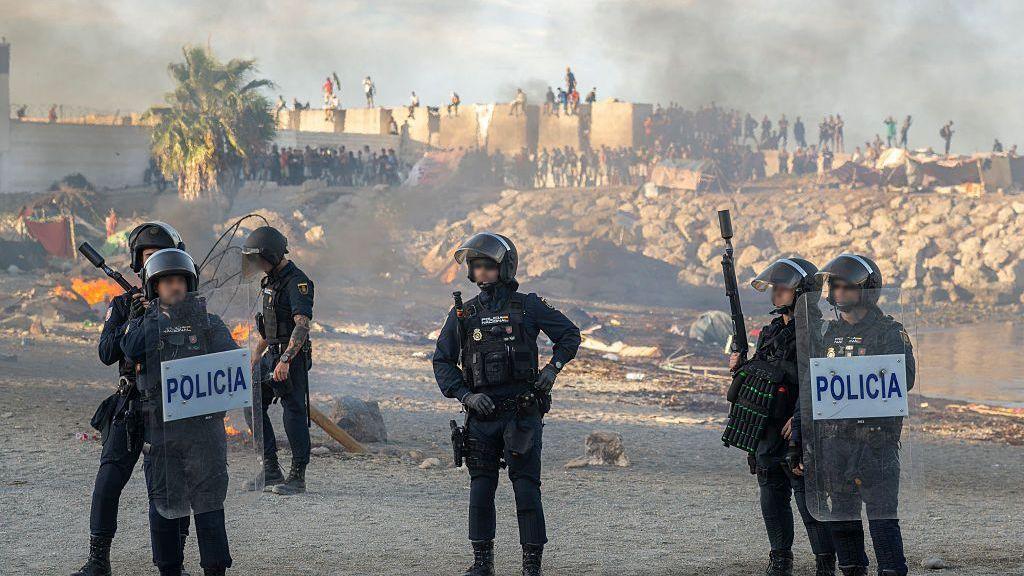
Compounding the crisis, the Spanish exclave of Ceuta in North Africa saw over 70,000 migrants arrive in July after a sudden surge. Most returned to Morocco but the city has become a political and logistical headache for the government, further diverting attention from the housing issue.
Sanchez’s strategy is to shift the narrative to housing, a top concern for voters according to recent polls. He calls on left‑leaning citizens to mobilise, promising a “much bigger, progressive majority” that can “conquer social rights” and continue to transform Spain. Protest marches in Madrid, Valencia, and Barcelona have called for new laws protecting tenants.
Polling shows the Socialists lag behind the PP, but the housing debate could be enough to energise their base. The real challenge for Sanchez will be to maintain power after the November ballots and continue his ambitious social agenda.
Key Points
- Housing reforms rejected – Parliamentary majority lost.
- Corruption scandals are eroding trust in the Socialist Party.
- Ceuta migrant surge adds a diplomatic and security burden.
- Right‑wing parties oppose market interventions.
- Public polling indicates housing is a top issue but Socialists trail the PP.
Look Ahead
The election on 29 November will test whether Sanchez can turn the housing crisis into a coalition‑building victory or whether the scandals and migration failings will prove too much for voters to overlook.