Spain's PM Pedro Sánchez calls snap election amid housing protests

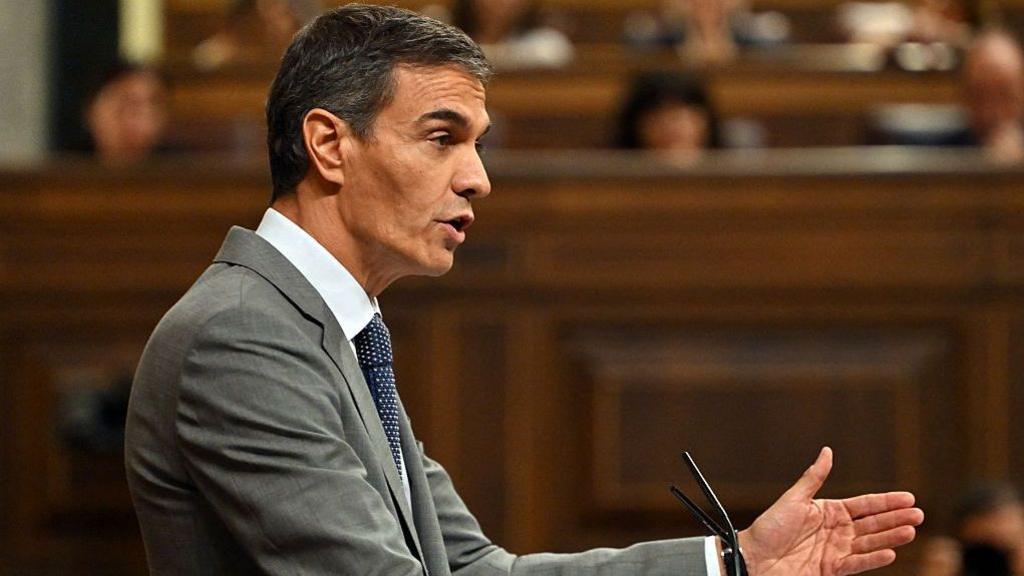
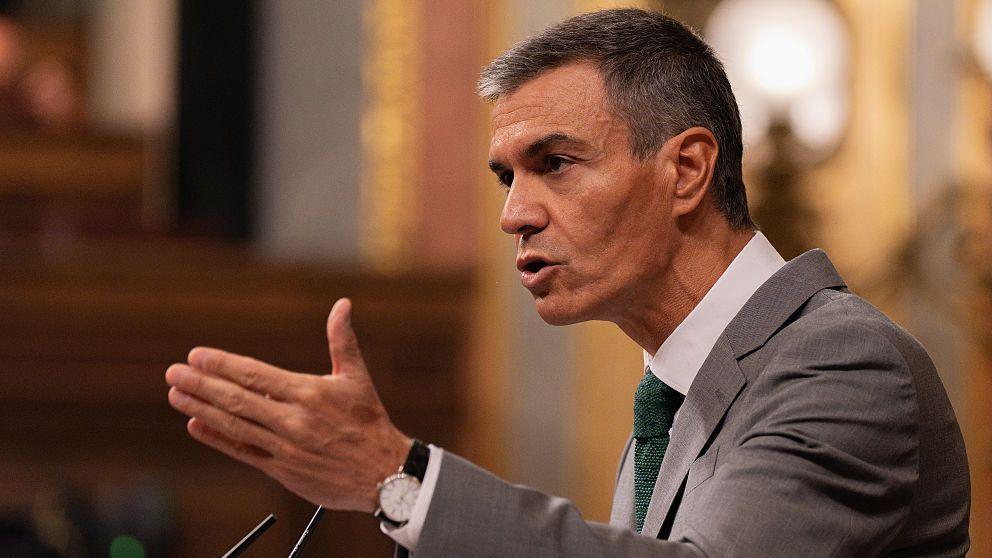
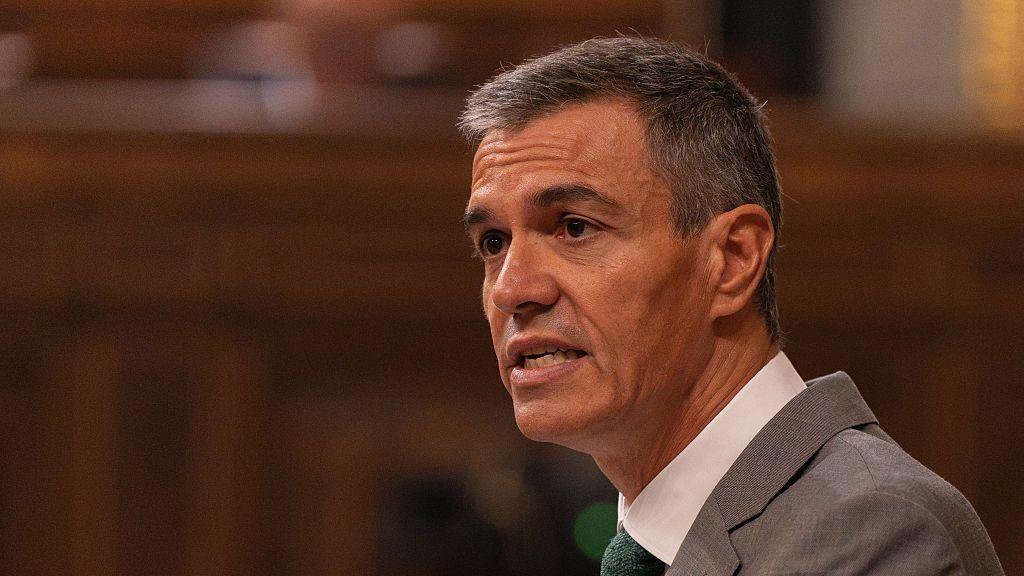
In a televised address on Monday, Pedro Sánchez declared an early election for 29 November, a move he says is required after repeated parliamentary defeats on housing reforms.
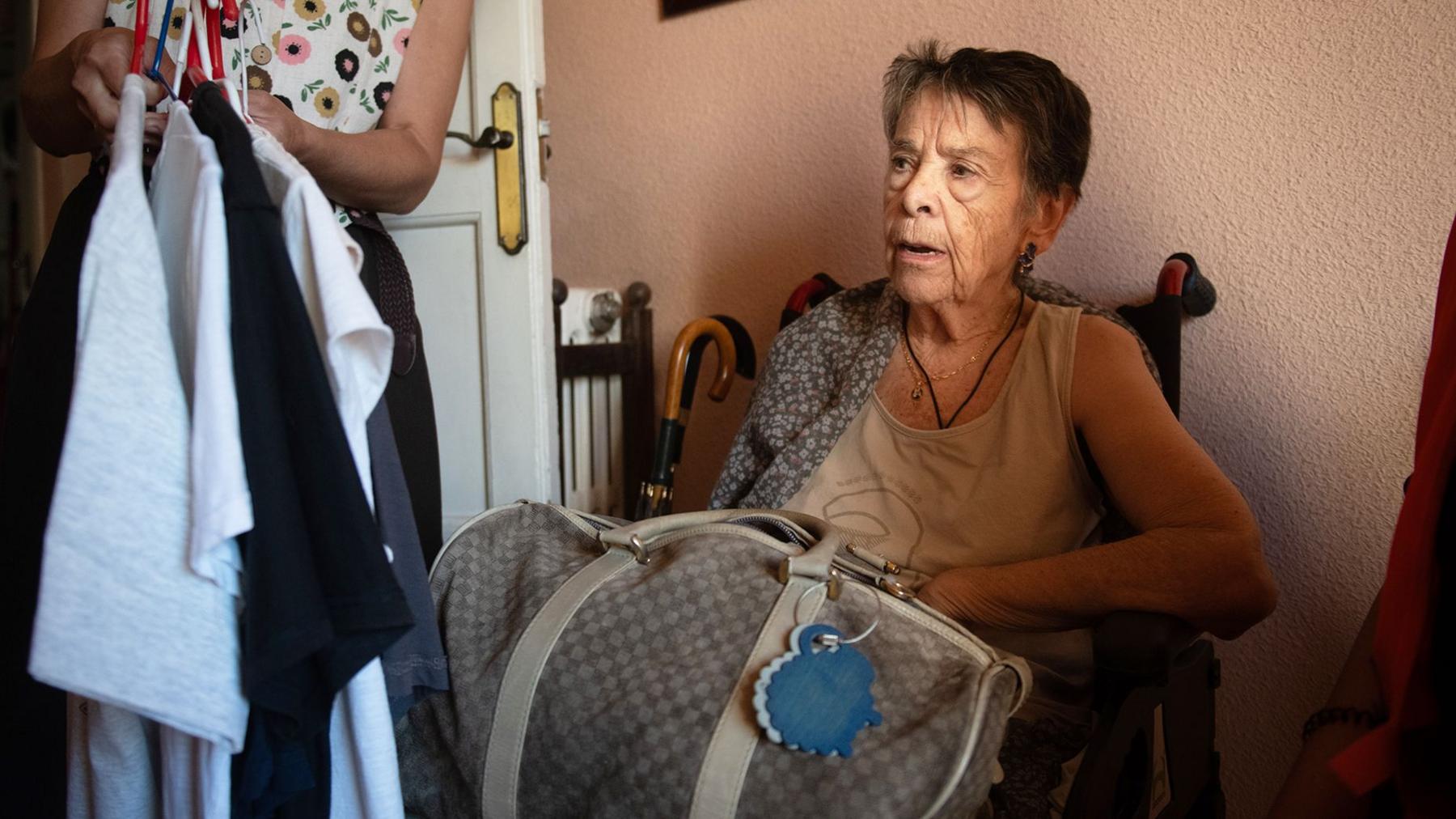
The decision follows the rejection of two decree laws that sought to cap rent rises, halt evictions of vulnerable tenants and restrict foreign investment in housing. The debate was sparked by the forcible eviction of 87‑year‑old Maricarmen Abascal from her Madrid flat after a landlord raised her rent from €500 to €2,650 before settlement at €1,650—more than her monthly pension.
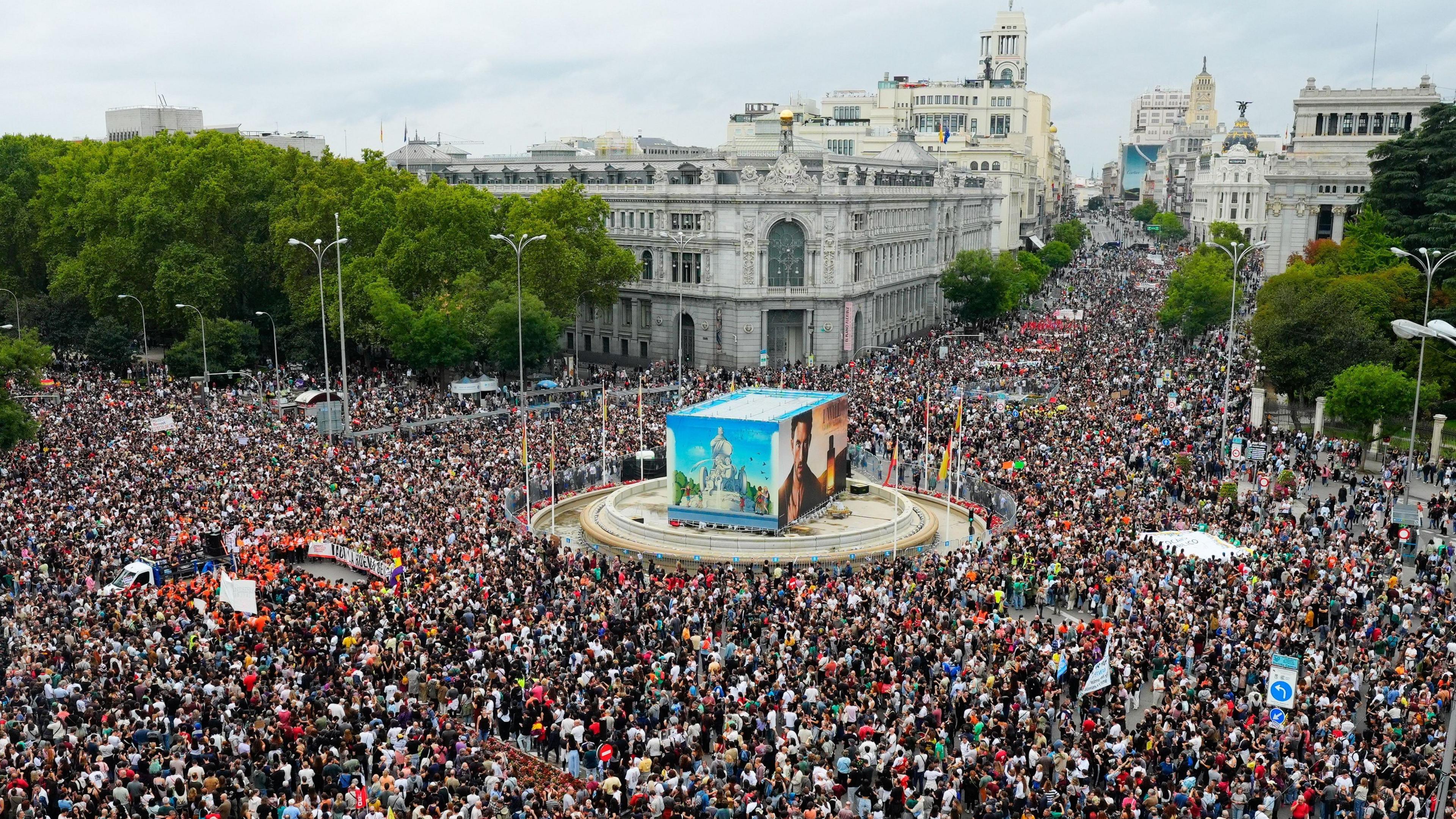
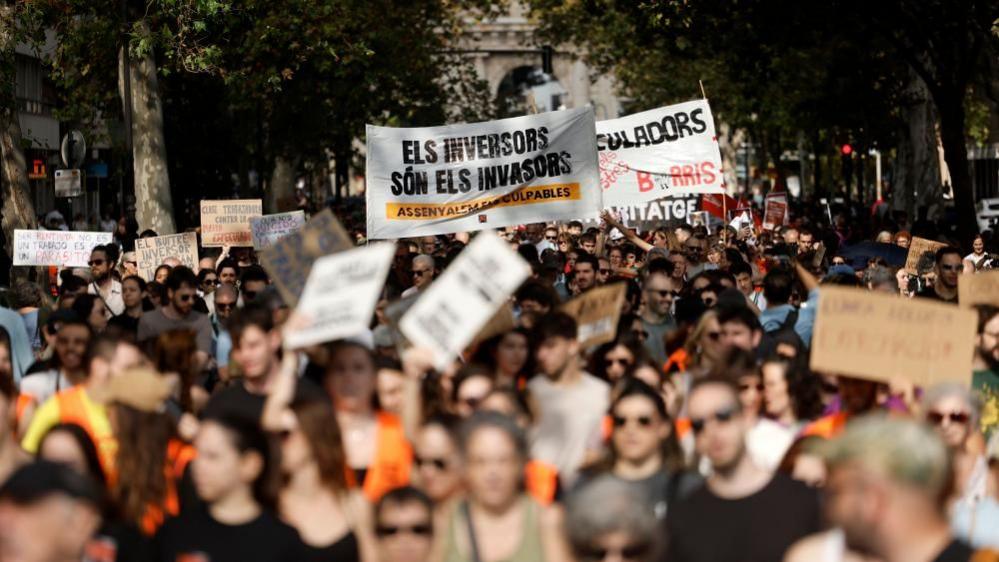
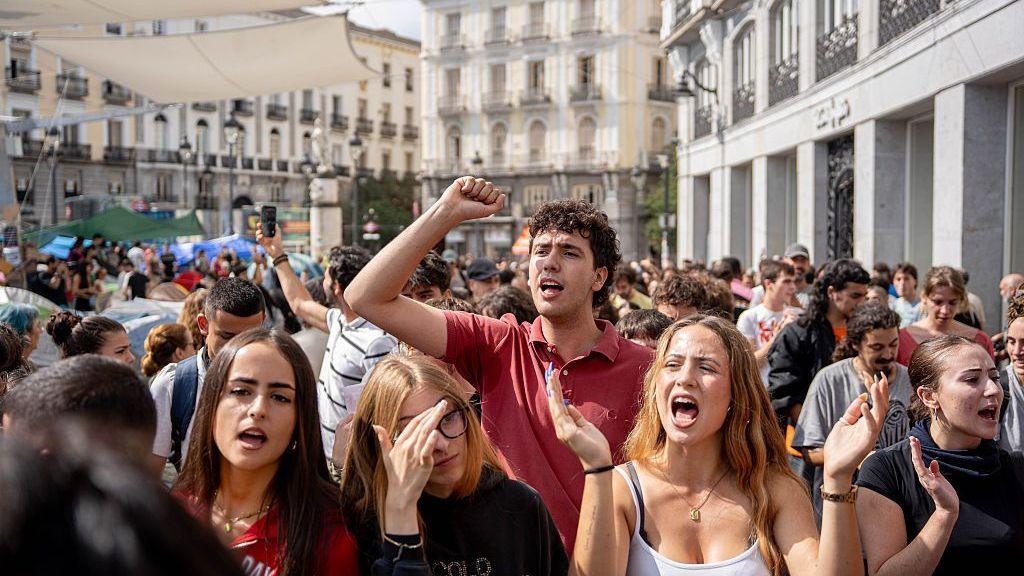
Tens of thousands rallied in Madrid, Barcelona and Valencia, demanding stronger tenant protections and a more equitable housing market. The outcry has placed a spotlight on Spain’s chronic housing shortage and the perceived lack of governmental action.
The left‑wing coalition, led by Sánchez’s Socialists and the Sumar alliance, does not hold a majority in the 348‑seat Chamber. He argues that “a broader progressive majority” is needed to overcome elite resistance and pass necessary reforms.
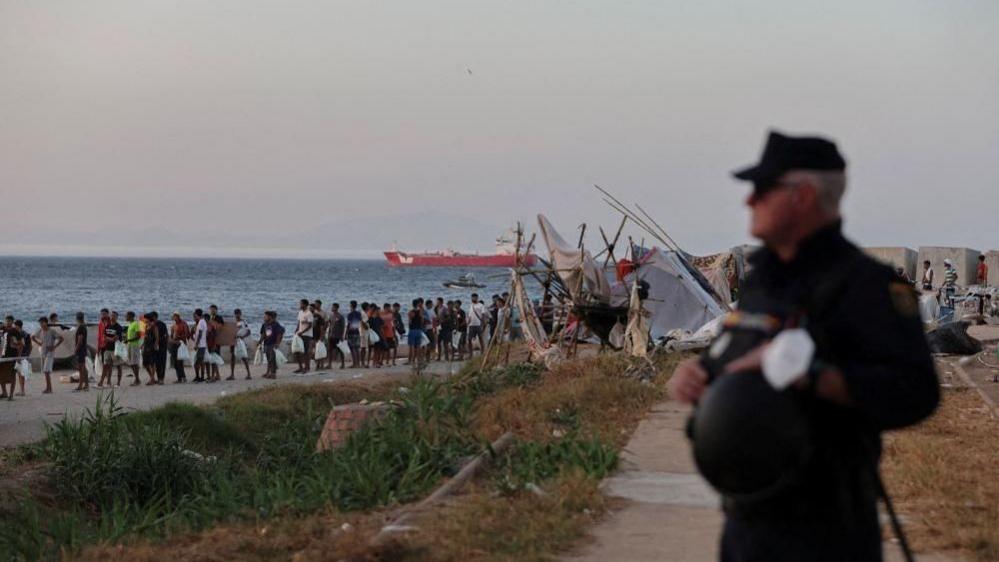
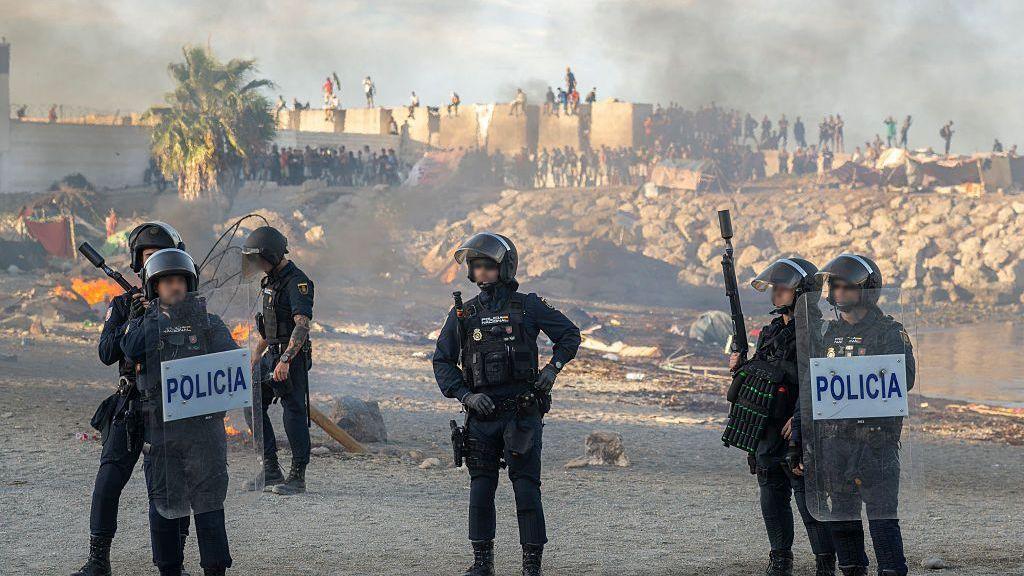
Beyond housing, Sánchez’s administration has wrestled with corruption allegations involving his wife, former transport minister, and the party’s claimed misinformation operations. The baggage of scandals, along with protests over migration flows into Ceuta, has eroded public confidence.
Political analysts suggest that the snap vote could cement the centre‑left’s position or, conversely, allow the conservative People’s Party to regain dominance, potentially reliant on the far‑right Vox for a governing majority.