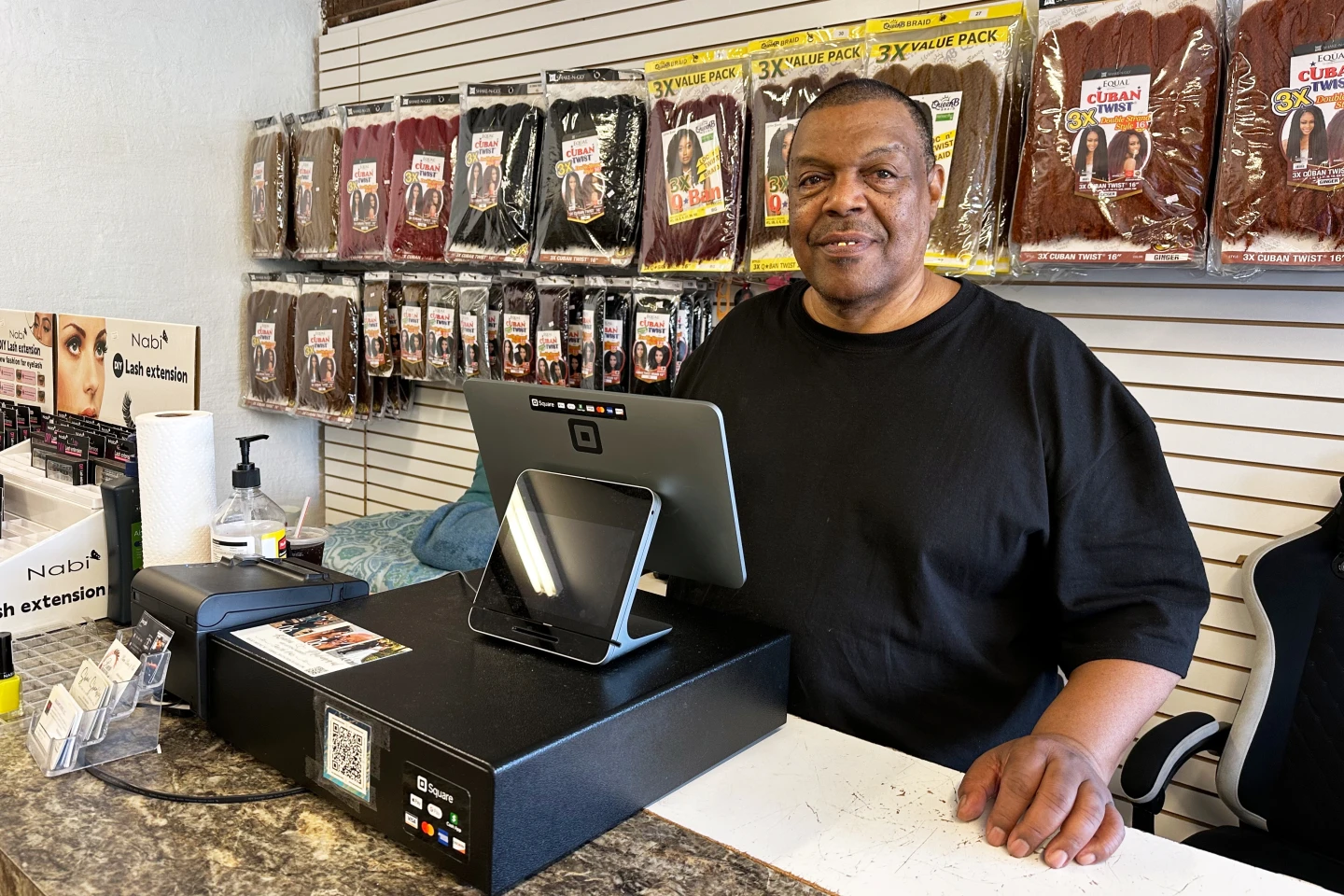
NASHVILLE, N.C. — Ricky Brinkley, a 65-year-old resident of rural North Carolina, longs for more engagement from political candidates during election cycles. As an ex-truck driver now helping at his daughter’s beauty supply shop, he voices a common sentiment among rural Black voters. People don’t come out like they should and ask you how you feel about things, he remarked. This issue highlights a significant challenge for the Democratic Party, which, despite its historical strength with Black voters, struggles to mobilize them in rural areas.
Brinkley’s concerns reflect a broader demographic puzzle for the Democrats as they seek to gain a foothold in a state increasingly leaning toward Republicans. Prominent figures such as former Governor Roy Cooper emphasize the necessity of energizing rural Black communities to aid in electoral success, particularly in competitive races like the U.S. Senate.
Addressing these issues, state party chair Anderson Clayton expressed the need to redefine the narrative surrounding rural voters, indicating that it involves not just white populations, but Black constituents as well. Historical trends indicate that substantial voter turnout among rural Black citizens could critically alter power dynamics in North Carolina.
Effective outreach strategies have become imperative. Leaders like Rev. James Gailliard suggest that true engagement requires grassroots organizing and fostering authentic connections within these communities. Campaign strategies are adapting, highlighting personal interactions over traditional electioneering tactics that often lack the necessary community trust.
As communities gear up for elections, there is a pivotal push for local organizing efforts. Plans include targeting specific issues and utilizing trusted local figures for outreach rather than relying on outside political operatives.
With the upcoming elections on the horizon, the message is clear: Democrats need to deepen their engagement with rural voters, recognizing that every single interaction could sway the electoral balance. Establishing relationships rather than viewing outreach as transactional may prove to be crucial for Democrats like Cooper if they are to regain influence in these vital regions.
Brinkley’s concerns reflect a broader demographic puzzle for the Democrats as they seek to gain a foothold in a state increasingly leaning toward Republicans. Prominent figures such as former Governor Roy Cooper emphasize the necessity of energizing rural Black communities to aid in electoral success, particularly in competitive races like the U.S. Senate.
Addressing these issues, state party chair Anderson Clayton expressed the need to redefine the narrative surrounding rural voters, indicating that it involves not just white populations, but Black constituents as well. Historical trends indicate that substantial voter turnout among rural Black citizens could critically alter power dynamics in North Carolina.
Effective outreach strategies have become imperative. Leaders like Rev. James Gailliard suggest that true engagement requires grassroots organizing and fostering authentic connections within these communities. Campaign strategies are adapting, highlighting personal interactions over traditional electioneering tactics that often lack the necessary community trust.
As communities gear up for elections, there is a pivotal push for local organizing efforts. Plans include targeting specific issues and utilizing trusted local figures for outreach rather than relying on outside political operatives.
With the upcoming elections on the horizon, the message is clear: Democrats need to deepen their engagement with rural voters, recognizing that every single interaction could sway the electoral balance. Establishing relationships rather than viewing outreach as transactional may prove to be crucial for Democrats like Cooper if they are to regain influence in these vital regions.