In brief
In the lead-up to the West Bengal assembly elections, candidates from the BJP are incorporating fish into their campaigns as a symbol of regional identity and to counter criticism of vegetarianism associated with their party. As fish represents a staple and an integral aspect of Bengali culture, it has become a focal point for political debates on cultural and culinary identity amidst accusations of intrusion by opposition parties. This strategy reflects the significant role food plays in regional politics, revealing a deeper narrative about identity and belonging.
As West Bengal gears up for assembly elections, candidates from both the BJP and Trinamool Congress are wielding fish as a symbol of cultural identity and loyalty to the region. This unusual campaign strategy underscores deeper societal tensions and the political stakes surrounding food and culture in Indian politics.
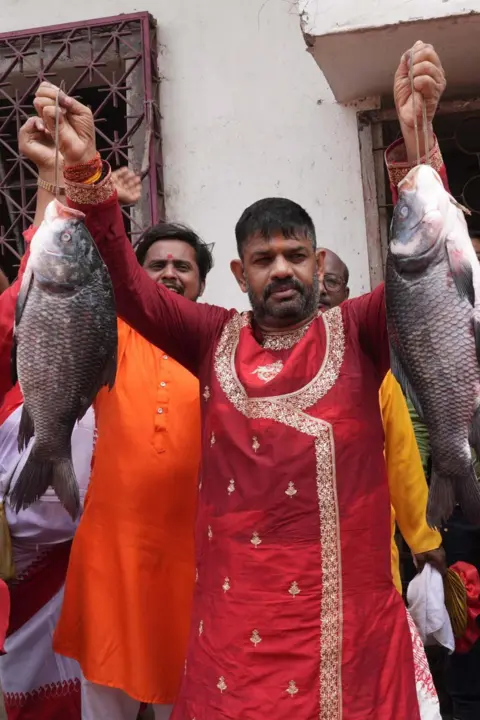
\On a sticky morning in Kolkata, BJP candidate Koustav Bagchi canvasses with a fish in hand, underscoring his connection to local culture amidst an enthusiastic crowd. This visual symbol aims to reassure potential voters of his identification with their customs. Similar tactics are employed by rival candidates like Rakesh Singh, who also brandishes fish to draw attention and establish relatability with the electorate.
\Fish is not merely a dish in Bengal, but an essential part of its cultural fabric, representing community and tradition. The campaign prop serves to evoke a sense of belonging among voters and counters perceptions of the BJP as a pro-vegetarian entity, particularly in a state where fish consumption is prevalent.
\This strategic use of fish highlights the underlying political narrative and cultural significance associated with food consumption in India. As major figures like Chief Minister Mamata Banerjee invoke food-related claims to assert their political place and rally support, the elections reveal food's pivotal role in shaping public identity and political discourse.
\Ultimately, while fish may seem like a lighthearted campaign tool, it has significant implications for how cultural values intertwine with politics, showcasing the diverse, complex nature of Indian electoral dynamics.
"