Viktor Orbán: Hungary's Controversial Leader Faces Electoral Challenge
No serving leader in the European Union has led their country for as long as Viktor Orbán. But after 16 years he faces his strongest challenge yet in 12 April elections, where most opinion polls suggest he is heading for defeat at the hands of former party insider, Péter Magyar.
Since 2010, Orbán has transformed Hungary into what the European Parliament has denounced as a hybrid regime of electoral autocracy. He appears uncertain how to describe his own invention. He has tried both illiberal democracy, and Christian liberty. His allies in the US Maga movement call it national conservatism.
Orbán has repeatedly clashed with European Union colleagues on the war in Ukraine, blocking vital funding for Kyiv, which he accuses of trying to force Hungary into war with Russia. And yet he has powerful international allies.
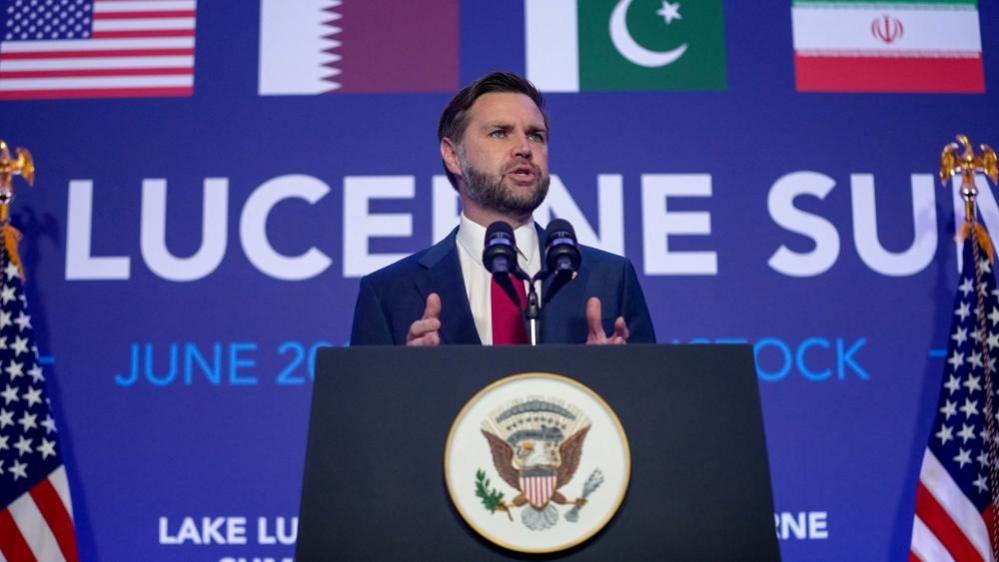
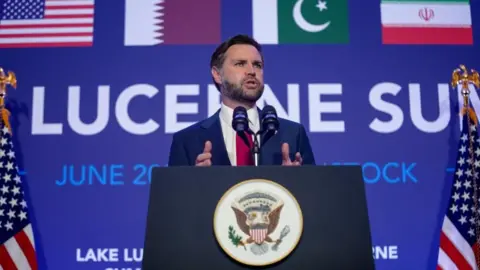
He is considered Vladimir Putin's strongest partner in the EU, and he has been endorsed by US President Donald Trump in his bid for a fifth consecutive term in office. While Trump has promised to lead US economic might to Hungary if he wins again, Vice-President JD Vance visited Budapest five days before the election, intervening in the campaign to appeal to voters to stand with Viktor Orbán, because he stands for you.
His antagonism towards Brussels still pays off with many Hungarians, but Orbán has cut an increasingly lonely figure among EU leaders looking for European unity in response to the war in Ukraine. His Foreign Minister, Péter Szijjártó, recently admitted personally sharing details of EU meetings with his Russian counterpart Sergei Lavrov, but called those conversations everyday diplomacy.
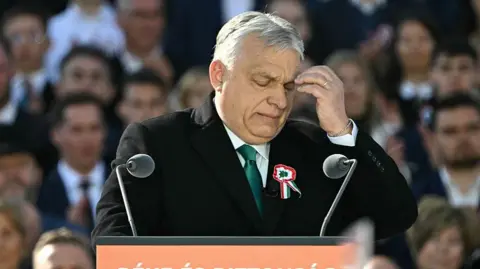
Yet, despite claims of strong leadership, Orbán has faced mounting internal challenges. His charm and charisma had previously rallied support but polls suggest many Hungarians are weary of the corruption allegations surrounding his party and his increasingly authoritarian image. A recent booing during a campaign speech revealed cracks in his previously unshakeable support.
As history shows, Orbán rose to prominence during Hungary's transitional phase post-Soviet rule in the late 1980s, founding the Fidesz political party. However, his evolution from liberal politics to a hardline nationalist stance illustrates a career marked by continuous adaptation to retain power.
Now, as he gears up for what could be his most precarious electoral campaign yet, Orbán's reliance on alliances with autocratic leaders like Putin and figures like Trump does little to insulate him from the shifting sentiments of the Hungarian people. With the election fast approaching, the future of his government hangs in the balance.