In brief
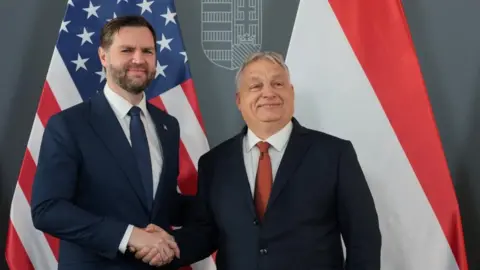
As Hungary approaches its pivotal elections, US Vice President JD Vance has made a significant visit to Budapest, publicly endorsing Prime Minister Viktor Orbán while condemning the European Union's involvement in Hungary's political landscape. Vance's endorsement comes at a critical time, as Orbán faces strong opposition in the polls. This visit marks the first high-level US engagement with Hungary in two decades.
Five days before Hungarians vote in elections that could end Viktor Orbán's 16-year hold on power, US Vice-President JD Vance has intervened in the campaign with a strong endorsement of the Hungarian Prime Minister, while also delivering a harsh critique of the European Union.Standing alongside Orbán in Budapest, Vance declared his support for Orbán's campaign, though he acknowledged that the US would collaborate with whoever emerges victorious. Orbán's main rival, Péter Magyar, is currently leading in polls, posing a serious challenge for the veteran Prime Minister.Vance's visit to Budapest, which marks the first senior US diplomatic engagement in Hungary in 20 years, is seen as a significant backing from the Trump administration, highlighting Orbán's role as a key European ally. The Hungarian Foreign Minister stated that Orbán's friendship with Trump has led to a new golden age in bilateral relations.In a strategic effort to bolster Orbán's position right before the April 12 vote, Vance criticized the EU, calling it one of the worst examples of foreign election interference, claiming a disdain for Orbán among EU officials. He urged voters to make their choices free from external pressures, reinforcing Orbán's message against foreign influence.Vance's comments resonate with past accusations against EU leaders, reflecting ongoing tensions involving election integrity and influence in European politics. Additionally, Orbán is under scrutiny for his dismissal of Ukraine's plight, aligning himself closer to Russian interests, which has further complicated Hungary's standing within the EU.Despite the challenges Orbán faces, including leaked conversations indicating his foreign minister's ties with Russia, his administration is actively framing the elections around protectionism against external interference and emphasizing national sovereignty. As the election date approaches, the stakes for both Orbán and Vance become increasingly pivotal.