In brief
As protests in Iran enter their second week, healthcare facilities are overwhelmed with injuries, compounding the crisis amid rising tensions and government warnings. Medics report a dire situation in hospitals, while global leaders urge for the protection of peaceful protests. The Iranian regime faces mounting criticism for its handling of the unrest as violence escalates.
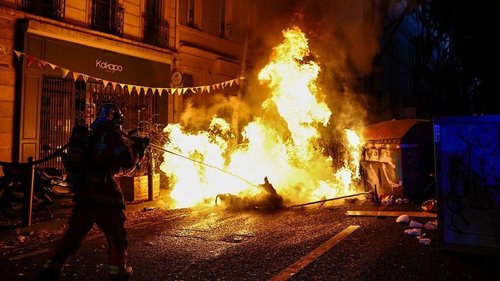
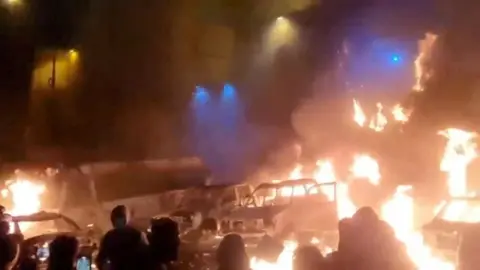
As protests in Iran entered their second week, authoritative reports emerged indicating that hospitals are overwhelmed with injury cases. Doctors at several medical facilities, including Tehran's Farabi Hospital—the central eye specialist hospital—have gone into crisis mode due to the influx of patients suffering from severe injuries, including gunshot wounds.
One doctor commented on the critical situation: “Non-urgent admissions and surgeries have been suspended,” highlighting the urgent need for resources to attend to emergency cases.
The unrest has been met with fierce responses from Iranian authorities, who have issued coordinated warnings against the protesters, labelling them as armed vandals and promising stringent legal actions against any form of protest. The tension escalated when President Donald Trump warned Iranian leaders against the use of violence, asserting that any lethal action would provoke a severe U.S. response.
Conflicting narratives have emerged, with Iran accusing the U.S. of inciting violence through participation in the uprising, while activists report that at least 50 protesters have died since the demonstrations began on December 28. Reports indicate that over 2,300 individuals have been arrested, with human rights groups continuously raising alarms over civilian safety.
The international community, including leaders like French President Emmanuel Macron and UN representatives, have called for the protection of peaceful protests. Concerns mount as the Iranian government's crackdown continues in a near-total digital blackout, hampering external observation and reporting of the ongoing situation. Protesters were seen taking to the streets again on Friday night, escalating fears of further violence.