Iran Deal Presents Political Nightmare for Netanyahu
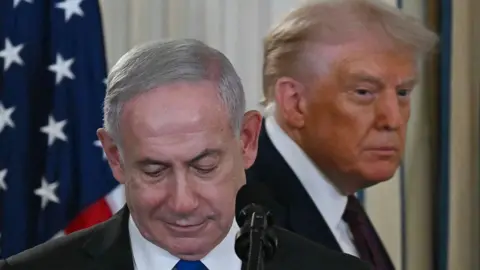
The United States and Israel’s new ceasefire agreement with Iran has delivered a ruthless blow to Prime Minister Benjamin Netanyahu’s political career, fracturing his three core pillars of influence if Washington and Tehran fail to meet his security demands.
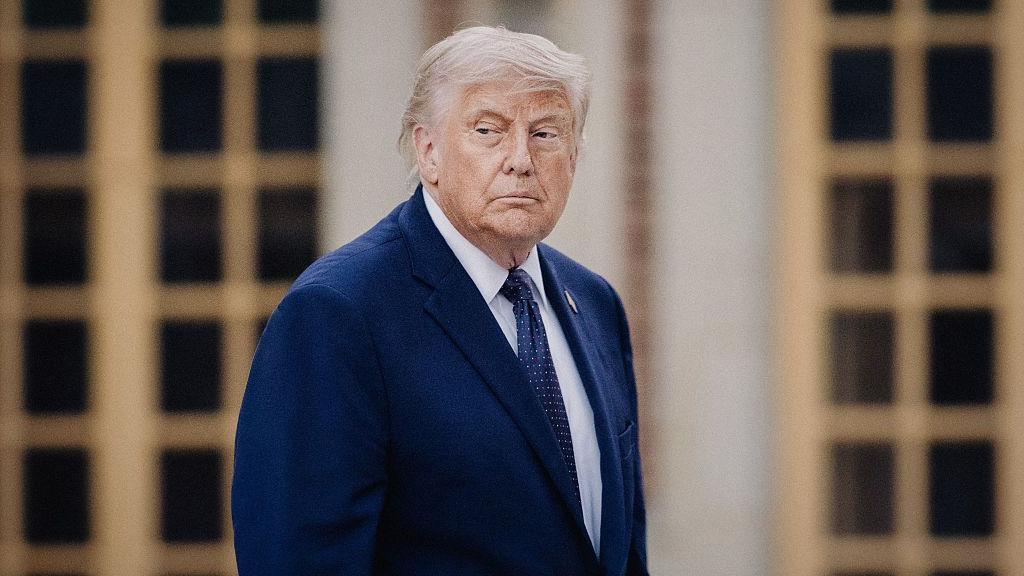
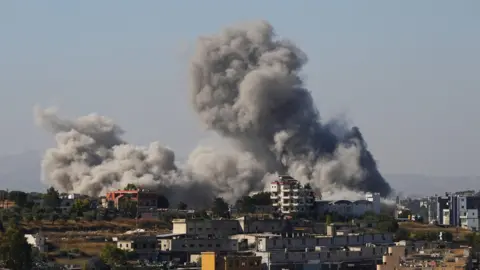
Netanyahu once boasted of irresistible sway over the American political class, yet the Trump‑led accord has publicly criticised his decision to strike Beirut, exposing a stark conflict with his chief ally.
He has positioned Israel’s security policy around Iran’s threat, only to have the ceasefire dispute erode that strategy and leave his leadership in jeopardy ahead of the upcoming elections.
Opposition leader Yair Lapid framed the options “either a direct and destructive confrontation with our greatest ally, or a submissive surrender of Israeli interests.”
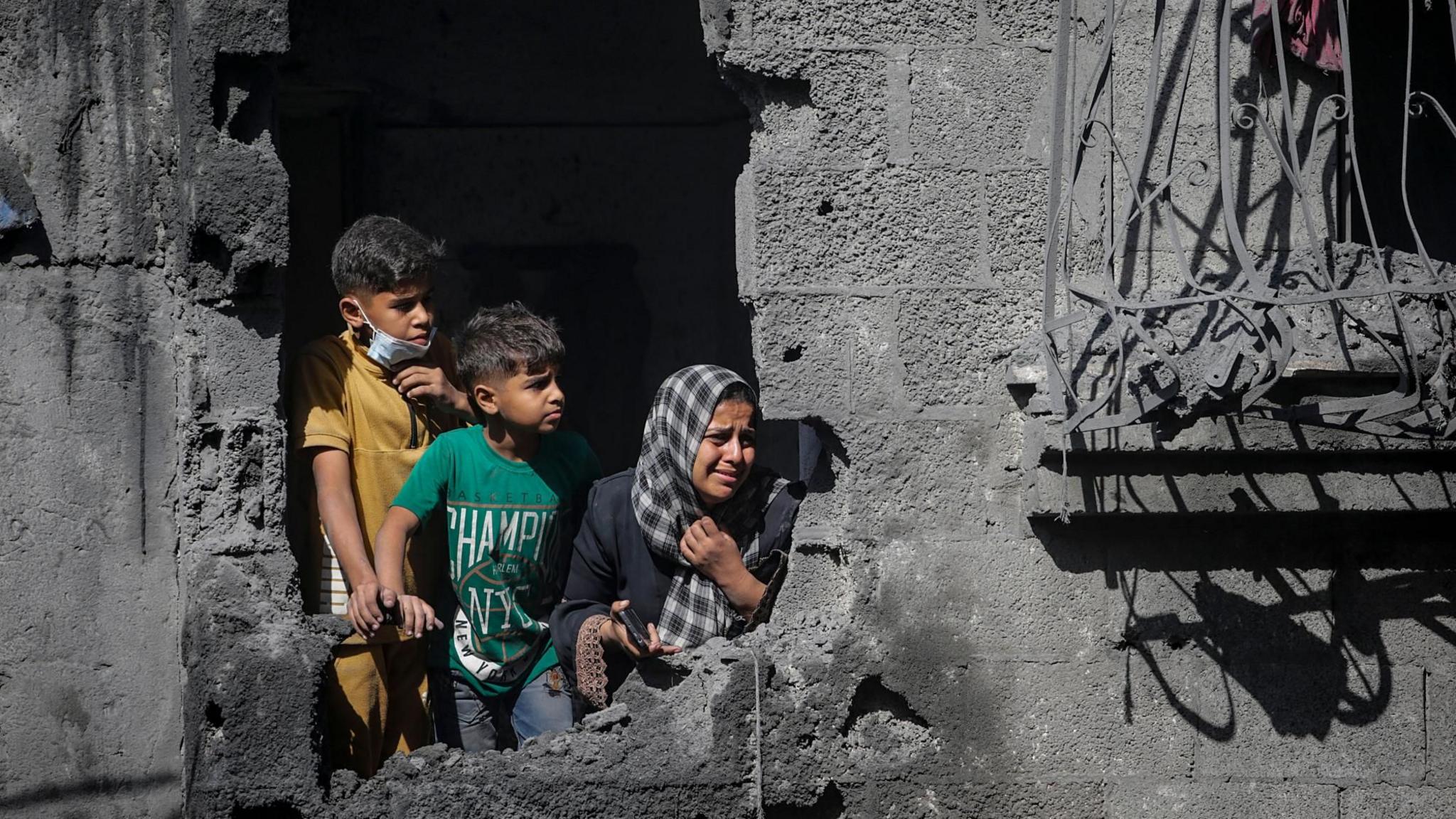
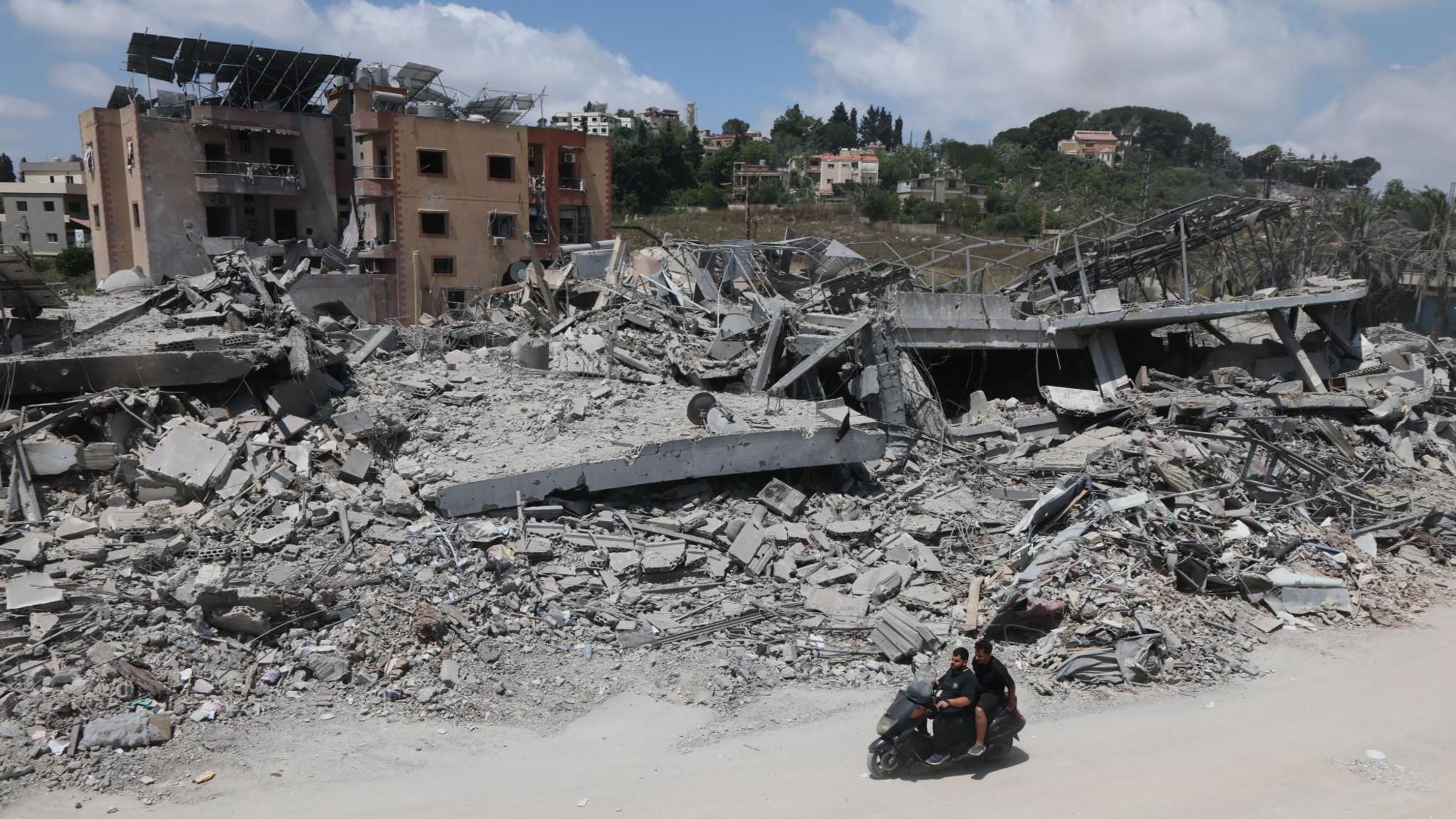
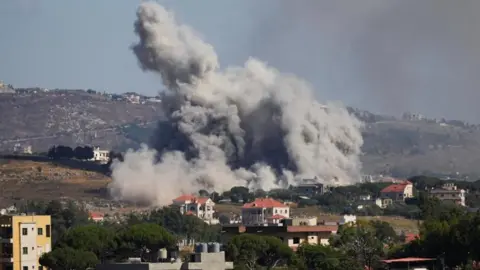
Comments from within Netanyahu’s Likud party illustrate mounting pressure, particularly as the ceasefire now compels Israel to consider halting attacks on Hezbollah in Lebanon.
— Itamar Ben‑Gvir (far‑right national security minister) wrote, "Trump’s agreement does not bind us".
Israeli lawmakers such as Ariel Kallner have vowed to “continue protecting ourselves,” although they remain silent on whether this would entail further offensives.
Sima Shine, a former Mossad special‑operator, warned that allowing Iran to determine Lebanon’s fate gives Tehran the ability to support Hezbollah and cement its influence.
Netanyahu’s silence amid a barrage of criticism has been read as a sign of indecision, timed before the October election and a period of relentless military occupation in Gaza, Lebanon and Syria.
With the Hamas hold on half of Gaza and the United States only a step removed, Israel’s security advantages are challenged while the regime shift in Iran places its hard‑liners in a position that extends beyond regional disputes and into the heart of U.S. policy.
In the opening line of analysis by Danny Citrinowicz, senior Iran researcher at the Institute for National Security Studies, he states that “Israel’s failure requires a renewed assessment of its strategy toward Tehran.” Likewise, senior Israeli‑researchers warn that any movement counter‑to Washington’s expectation invites a severe U.S. response.
Netanyahu’s agenda—historically framed as Israel’s best protection against regional threats—now confronts a dilemma: either a confrontation with a key ally or a surrender that could alter the country’s strategic posture for decades.