In brief
In response to surging oil prices caused by geopolitical tensions in the Middle East, governments worldwide are taking significant steps to cushion the blow on their citizens. From offering free public transport to implementing fuel rations, nations like the UK, Australia, and Egypt are rolling out emergency measures to ensure essential needs are met while trying to maintain economic stability amidst rising costs.
The war in Iran and the effective closure of the Strait of Hormuz - through which around 20% of the world's oil and natural gas flows - has seen fuel costs rise sharply in the past month.
With the disruption expected to have a lasting impact on prices, governments around the world have begun introducing measures to limit the impact on consumers and the economy.
Here is a rundown of what's been introduced so far.
UK
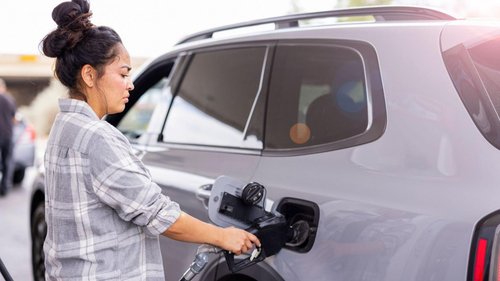
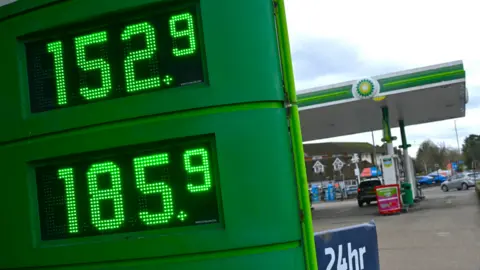
While most of the UK's electricity is generated through natural gas and renewables, petrol prices have reached an 18-month high due to rising global oil prices, according to motoring organisation the RAC.
The government has said it is primed to step in if there are signs petrol sellers are profiteering from the crisis, something the Petrol Retailers Association has denied is the case.
Meanwhile, low-income households that use heating oil will be eligible to access a £53m package announced by the prime minister in March to help with costs.
Australia
In two Australian states, public transport will be made free in order to incentivise people not to drive. Travel on Victoria's trains, trams and buses will be free from Tuesday and throughout April, while commuters in Tasmania will not need to pay for buses, coaches and ferries from Monday until the end of June.
Tasmania's transport minister has also indicated that paid-for school buses would be made free, saving those who use them A$20 (£10.40) a week.
The price of petrol has risen sharply in Australia since the conflict in the Middle East began, with the national average at A$2.38 a litre on 22 March, up from around A$2.09 at the start of the war, according to figures from the Australian Institute of Petroleum.
Egypt
Egypt has introduced a raft of temporary measures aimed at bringing fuel consumption down and keeping public finances in check. Shops, restaurants and cafes have been told to close at 21:00 each night for the next month, while street lights and roadside advertising is being dimmed. Hotels and tourist attractions are exempt.
The Egyptian government has raised petrol prices and fares on public transport to limit the impact of the conflict on its public finances, alongside other measures intended to conserve energy and fuel usage.
Philippines
In light of the crisis, the Philippines has declared a national emergency, with subsidies being offered to transport drivers and a shift to a four-day work week for civil servants. The government has vowed to stockpile additional oil while exploring further measures to manage the rising costs.
International Measures
Countries like Sri Lanka and Thailand are implementing unique strategies. Sri Lanka has declared Wednesdays a public holiday for state institutions to conserve fuel while introducing strict fuel rationing. In Thailand, government agencies have been encouraged to work from home to reduce energy consumption.
As the global situation continues to develop, the responses of nations demonstrate a commitment to protecting consumers and stabilizing economies in challenging times.