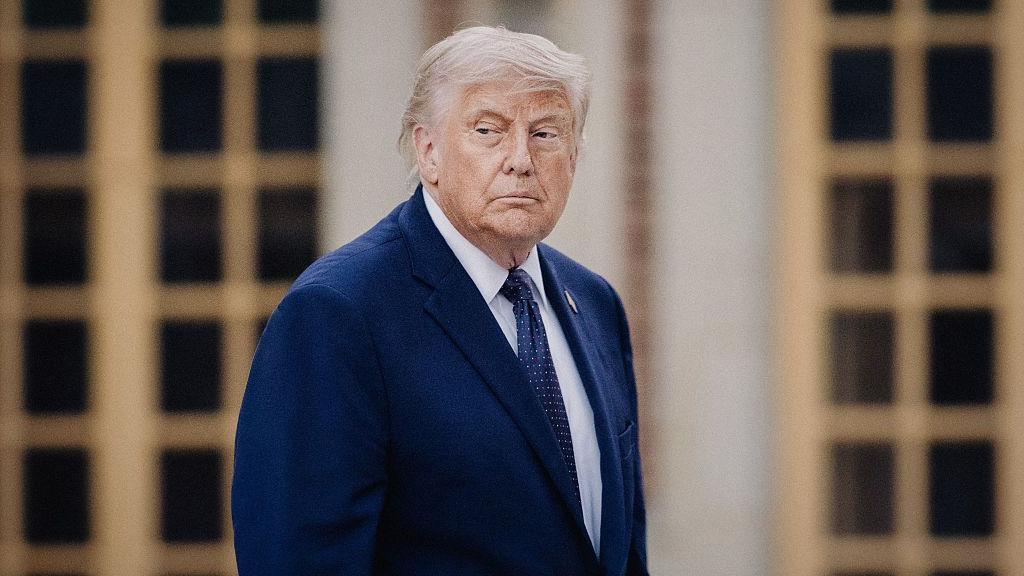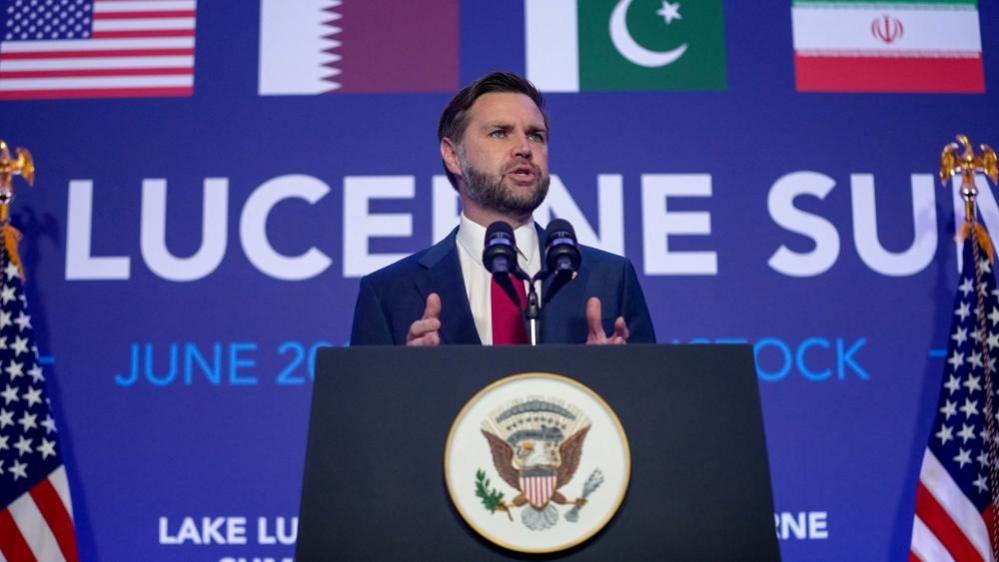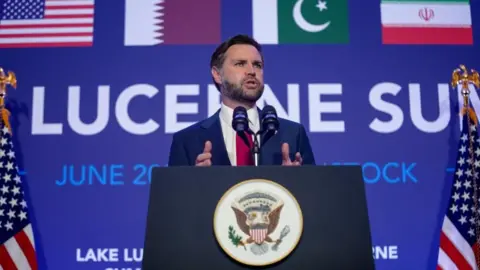
After a diplomatic team led by US Vice-President JD Vance tried, and failed, to reach a negotiated agreement to end the war with Iran on Saturday, President Donald Trump had to decide his next move.
That came on Sunday morning, in a series of Truth Social posts.
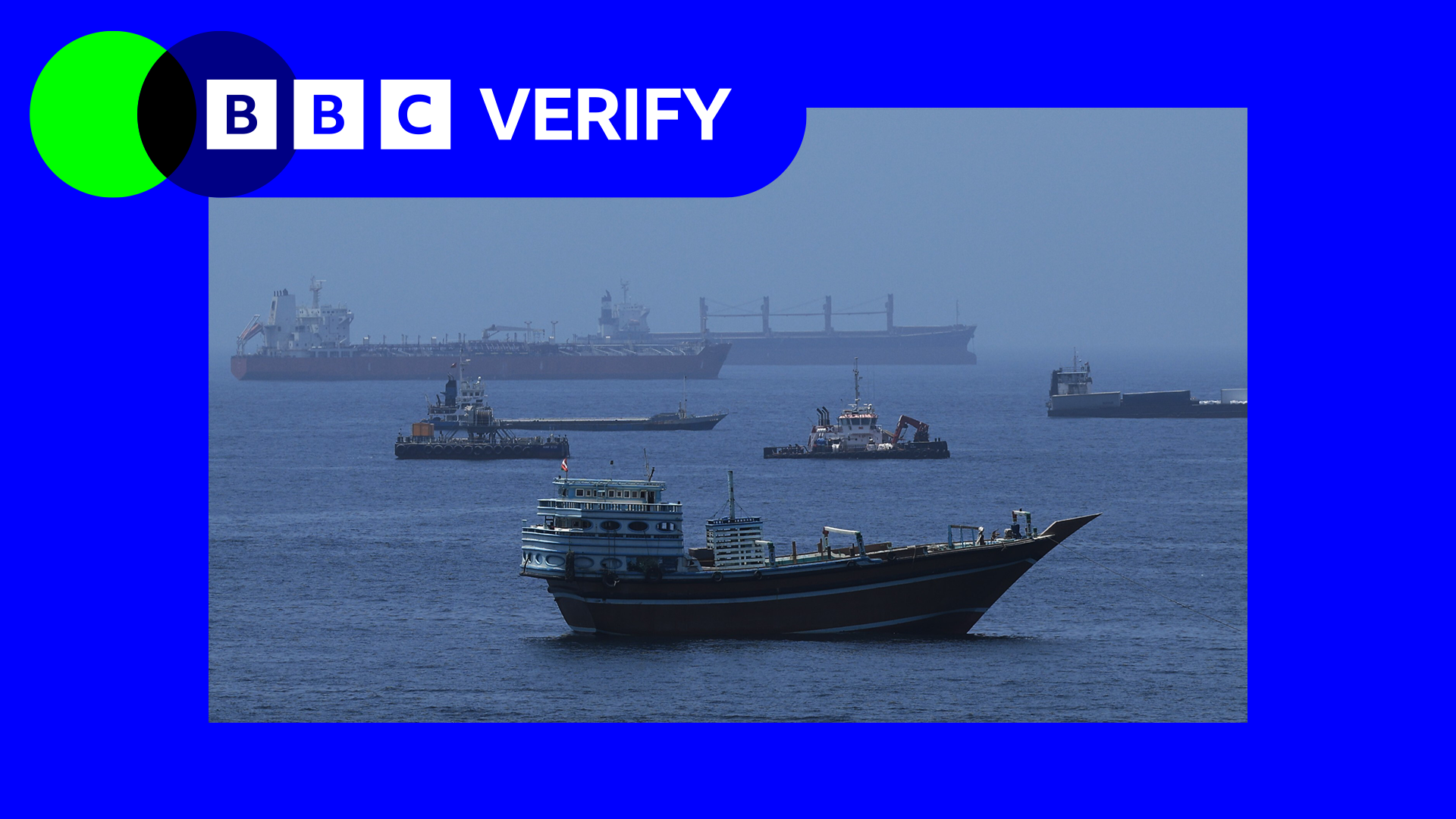
The US will impose a naval blockade of Iran, he wrote. No one who pays an illegal toll will have safe passage on the high seas, he stated.
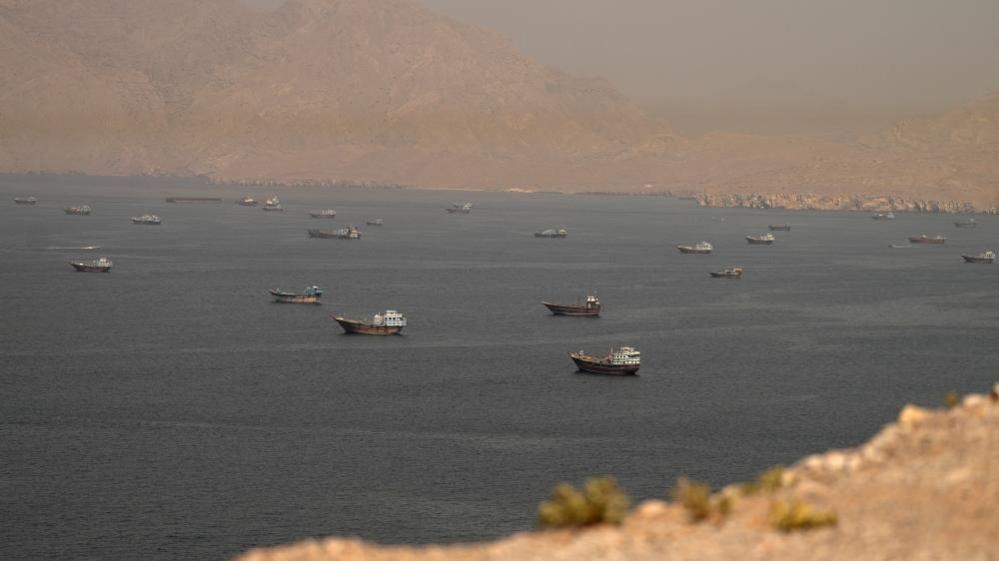
He also mentioned that the US would continue clearing mines from the Strait of Hormuz to ensure safe passage for allied shipping. The US military, he added, was locked and loaded and prepared to resume attacks against Iran at an appropriate moment.
While Trump claimed that progress was made during the 20-hour negotiations, a US official familiar with Vance's discussions highlighted multiple disagreements, including Iran's control of Hormuz and its regional proxy support.
Trump's posts, although less aggressive than his previous threats to destroy Iranian civilization, introduce new complexities and risks for the US.
Questions arise regarding the implications for US naval safety, the enforcement of the blockade, and international responses, particularly from nations like China reliant on Iranian oil.
As the US military Central Command announced that the blockade would halt all vessels to and from Iranian ports, concerns about the strategy's effectiveness continue to grow.
Senator Mark Warner questioned how the blockade would induce Iran to act favorably, while Congressman Mike Turner argued it was intended to compel negotiations.
Public sentiment is turning against the ongoing conflict, with a CBS poll revealing that most Americans believe the war is going poorly for the US and that key objectives are still unachieved.
Trump's assurances that Iran will ultimately acquiesce stand on uncertain ground, especially with November's midterm elections approaching. His recent behavior, including attending UFC fights amid escalated diplomatic tensions, has drawn criticism of the president's handling of the complex situation with Iran.
The ongoing crisis raises questions not only about military strategy but also about the potential socio-economic implications for the US and the region as the conflict drags on.