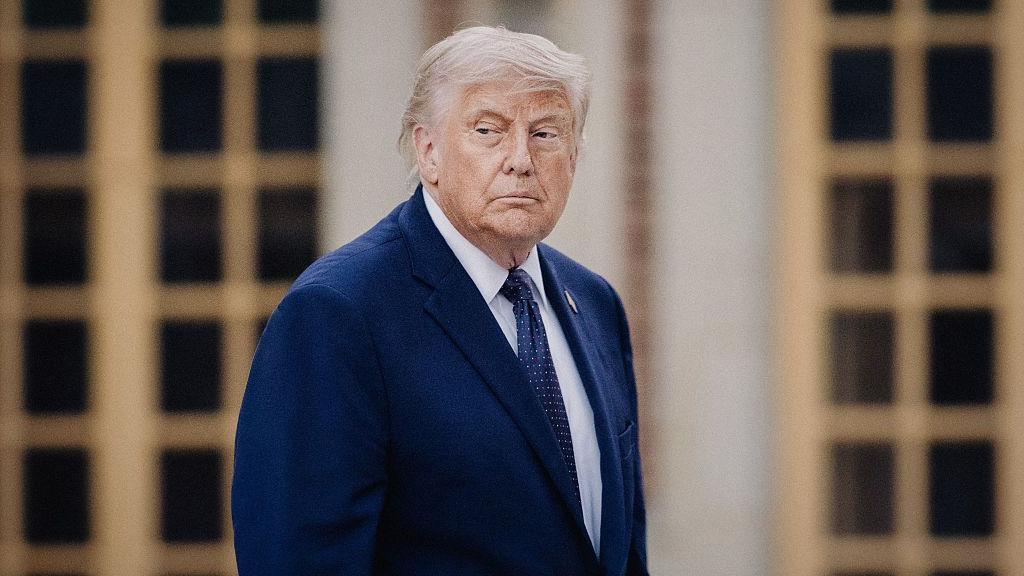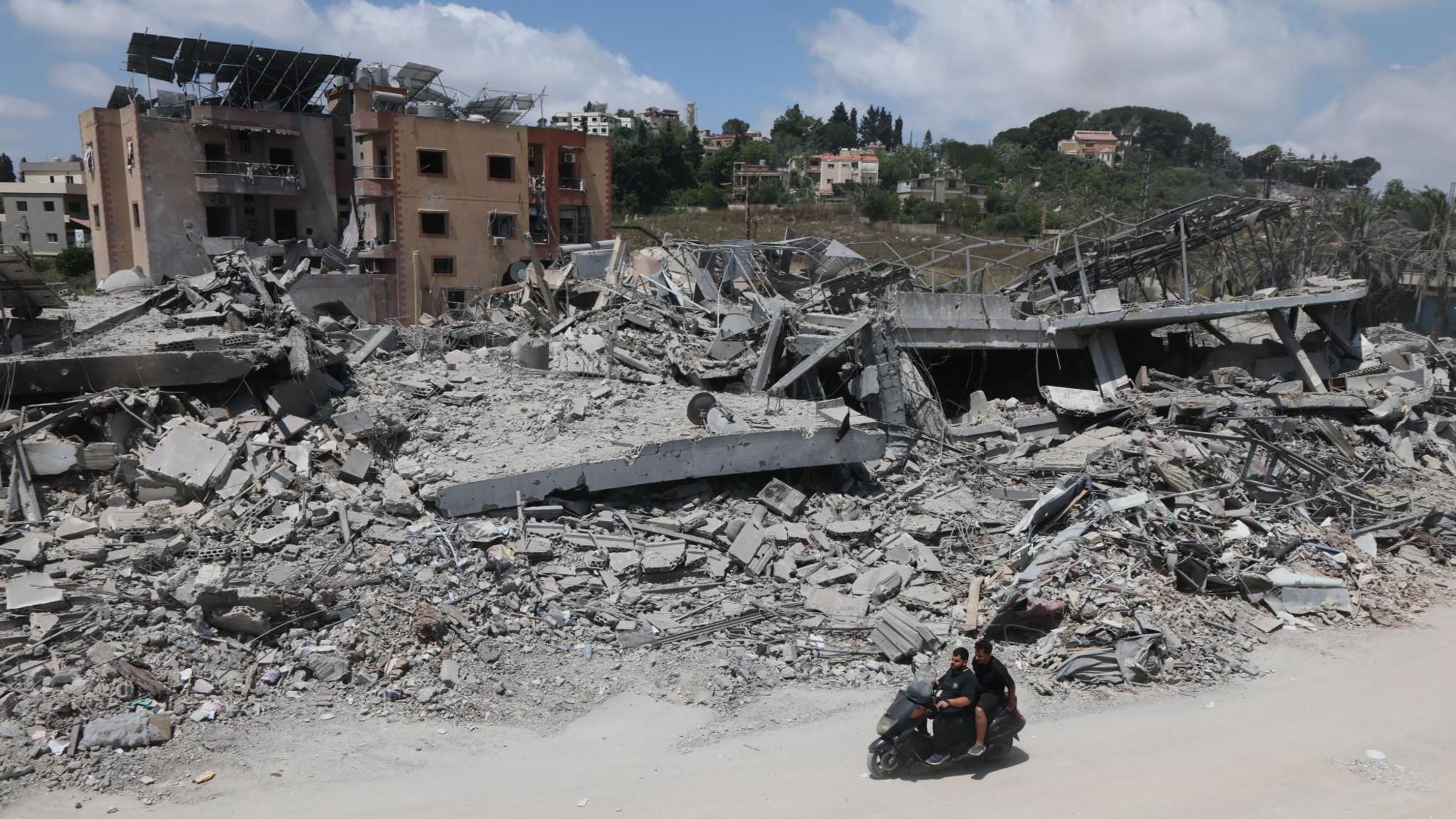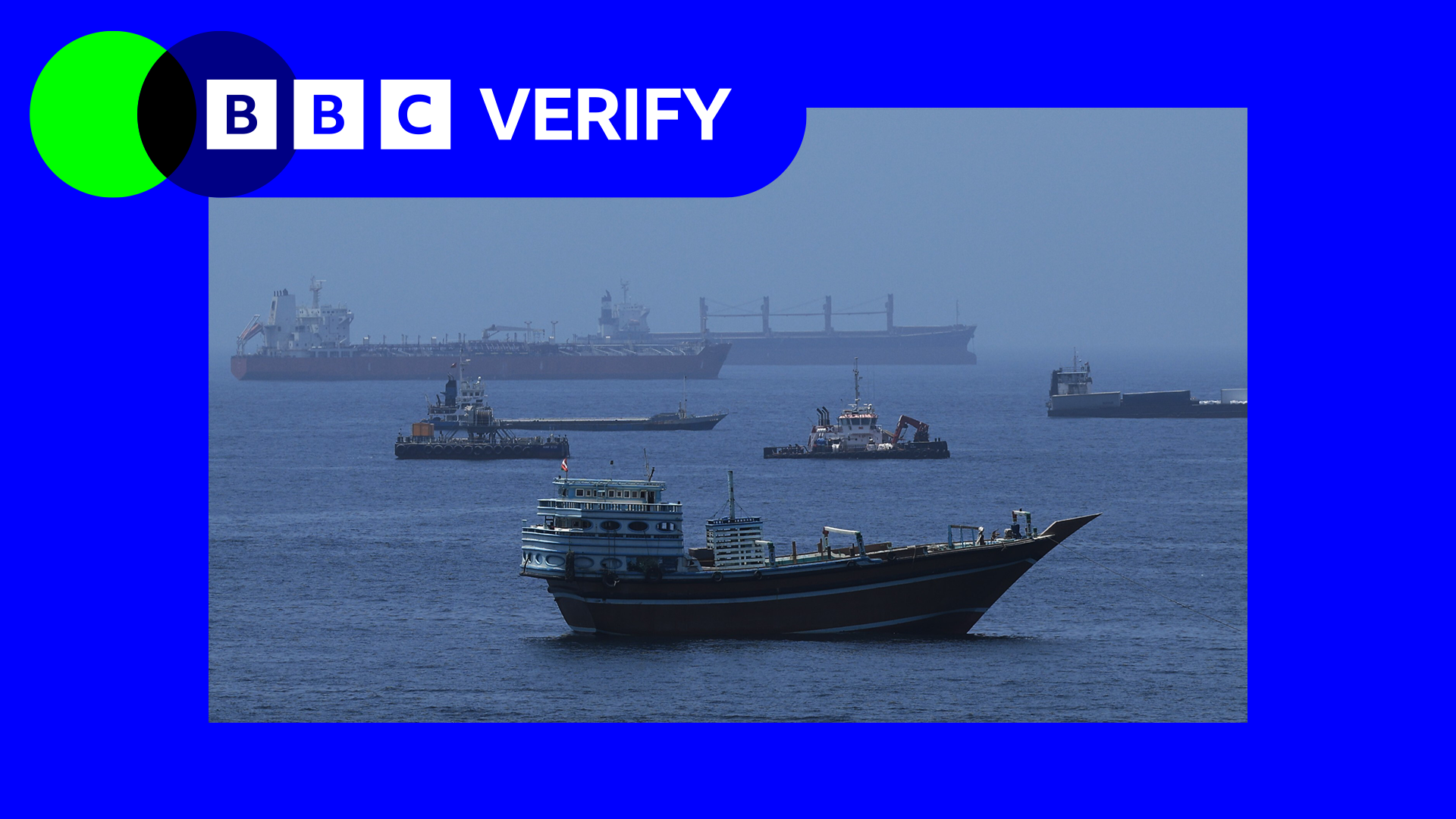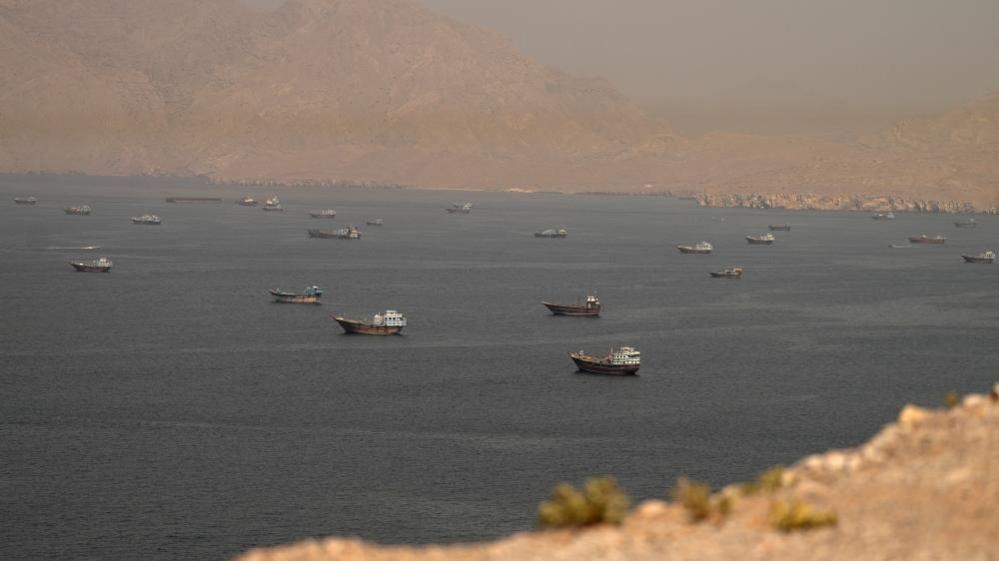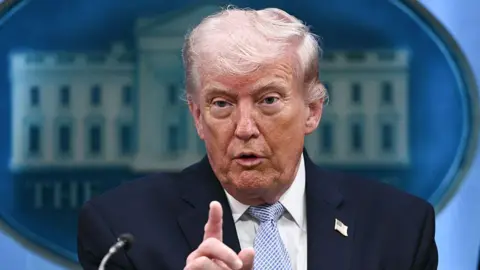
US President Donald Trump has declared that the US will commence a blockade of the Strait of Hormuz after talks with Iran collapsed. This strait is a crucial maritime corridor for oil and gas transit, through which approximately 20% of global supply moves.
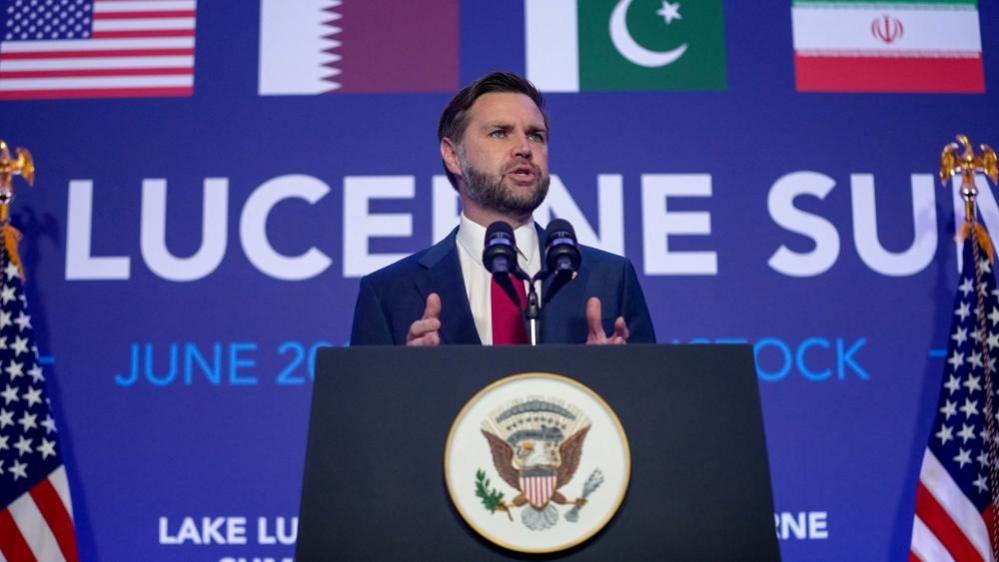
Iran has effectively shut the strait as part of its wartime strategy, increasing geopolitical tensions in the region. Trump cited Iran's persistent nuclear ambitions as the primary barrier to successful negotiations in Pakistan, stating that direct talks were unsuccessful.
Iranian officials responded by criticizing what they deemed the US's 'excessive demands' and failure to build trust. Mohammad Bagher Ghalibaf, head of Iran's negotiating team, underscored that the Iranian delegation felt misled in the discussions.
In a post on Truth Social, Trump outlined intentions to blockade any vessels trying to navigate through the strait, asserting that the US Navy would interdict ships that have paid tolls to Iran, which he termed illegal. Additionally, Trump warned that any Iranian forces attacking US military or non-combatant vessels would face severe repercussions.
Trump elaborated that the blockade would be effectively initiated, suggesting it would involve direct military action against vessels violating the blockade. He described this blockade as an 'all or nothing' policy, hinting at a broader strategy to force Iran into compliance over safe passage guarantees.
Reports indicate that the international implications of such a blockade might be severe, including legal challenges under maritime law and the potential for escalating military conflict. Industry analysts suggest that this move could disrupt global oil prices and hinder Iran's revenues from oil exports, as Tehran has been charging high passage fees amidst the ongoing war.
Although Trump believes this blockade could compel Iran to negotiate on favorable terms for the US, experts warn that it might exacerbate an already stringent situation, making diplomatic resolution increasingly difficult.
The UK government has indicated it supports freedom of navigation through the strait but appears reluctant to participate directly in the blockade, raising questions about potential international military collaboration in enforcement.
In summary, the announcement of a blockade in the Strait of Hormuz marks a critical juncture in US-Iran relations, with potential consequences for regional stability and global markets.