In brief
Ahead of significant talks in Islamabad, U.S. Vice President JD Vance leads a delegation aimed at negotiating with Iran. However, five principal sticking points, including Iran's nuclear intentions, its regional allies, and demands for sanctions relief, could complicate any progress. As both sides approach the negotiations, the outcome remains uncertain, with the potential for further geopolitical tension.
The venue is ready, the guards are in place, and Islamabad is prepared to host vital US-Iran talks.
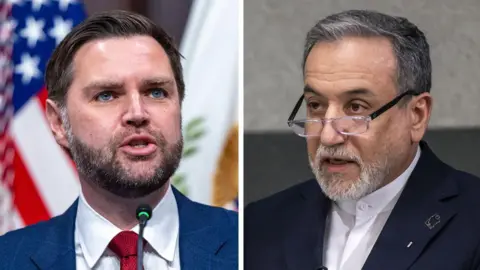
As hosts, Pakistani officials express optimism about their unique position to mediate discussions, given their established trust with both parties. US Vice President JD Vance, who will lead the delegation, reflects this optimism, asserting that the US is willing to negotiate in good faith, but cautioning that a lack of genuine intentions from Iran could lead to a swift blockage of talks.
However, it is clear that multiple obstacles lie ahead. Reports indicate that the US-Iran negotiations will be centered around five critical sticking points:
- Nuclear Capabilities: Nuclear development remains a central issue, with Iran asserting its right to enrich uranium for peaceful purposes while the US demands complete cessation.
- Regional Allies: Iran's support for groups like Hezbollah and the Houthis poses a potential roadblock, as the US perceives these alliances as destabilizing in the Middle East.
- Sanctions Relief: Iran is pressing for the lifting of longstanding sanctions and release of its frozen assets, a demand that the US is unlikely to meet without significant concessions.
- Strait of Hormuz: Navigation issues in this vital waterway continue to be a contentious point, with accusations from the US about Iran's handling of shipping and Iran's insistence on its rights over the strait.
- Ceasefire Conditions: Reports suggest a two-week ceasefire, but significant doubts remain regarding the commitments from both sides, especially in light of ongoing hostilities in the region.
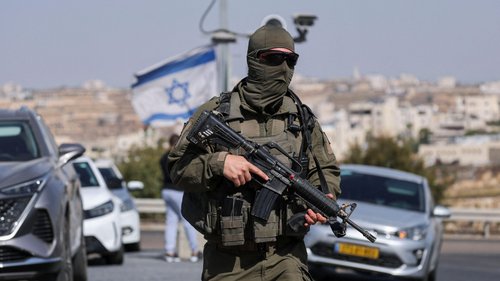
With the background of Israel's offensive against Iranian-aligned groups and further geopolitical complexities, the atmosphere surrounding these talks is fraught with tension. The coming days will reveal if both parties can navigate these challenges effectively or if conflicts will re-ignite.