In brief
As the US and Iran engage in critical talks in Pakistan led by US Vice President JD Vance, five major issues threaten to derail negotiations: regional military engagements, the status of the Strait of Hormuz, Iran's nuclear ambitions, its support for allied groups, and the push for sanctions relief. Both sides express cautious optimism, amid warnings and long-standing distrust.
The venue is ready, the guards are in place and the curb along the approach road has received a fresh coat of yellow and black paint.
Islamabad awaits.
As hosts of vital US-Iranian talks, the Pakistani government officials are making optimistic noises, emphasising that unlike many others, they enjoy the trust of both sides.
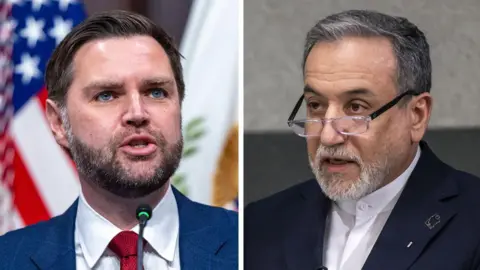
The man heading the US delegation, Vice President JD Vance, is also sounding upbeat. If the Iranians are willing to negotiate in good faith, he said before leaving the US, we're certainly willing to extend the open hand. But there was a warning too. If they're going to try to play us, then they're going to find the negotiating team is not that receptive. It's fair to say that a whole mountain of obstacles lies ahead.
One significant issue is Israel's ongoing military actions against Iran's Lebanese ally, Hezbollah, which threaten to derail talks. Iran's President has warned that continued aggression will render negotiations meaningless.
Another point of contention is the Strait of Hormuz, a crucial oil shipping passage. President Trump has criticized Iran for failing to allow ships to pass, accusing them of dishonorable behavior.
The nuclear discussion poses the greatest challenge, with Iran insisting on their right to enrich uranium for civilian purposes, while the Trump administration demands the cessation of all uranium enrichment on Iranian soil.
Additionally, Iran's network of regional allies complicates the negotiations, as calls for sanctions relief echo from Iranian officials amid ongoing economic struggles.
As both sides navigate these complex issues, the outcome remains uncertain amidst existing tensions and distrust.