The United States and Iran signal a desire not to march back into a war that has been paused since a ceasefire was announced on 8 April, yet neither side appears willing to let military exchanges die out with the current intelligence‑led talks.
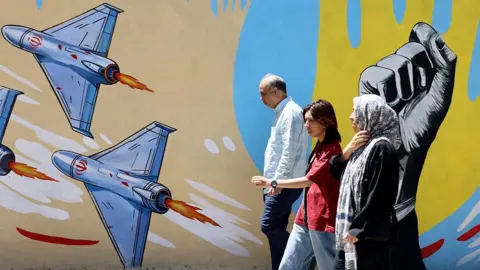
A formidable hover of U.S. naval and air forces remains within striking distance of Iran. The Iranian regime likely uses the ceasefire to regroup and repair damage inflicted by U.S. and Israeli strikes, keeping its forces on high alert while simultaneously baiting the West into miscalculation.
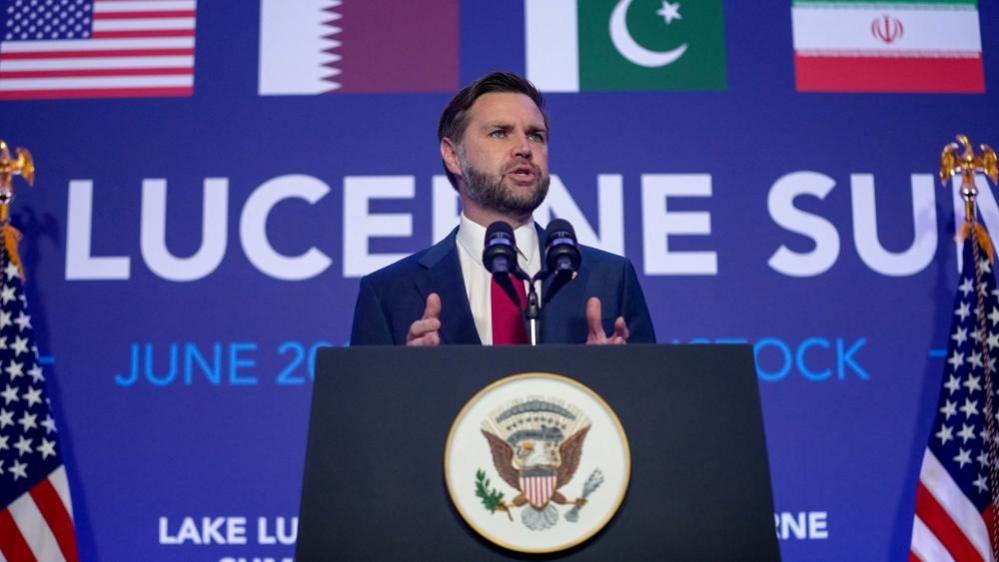
The U.S. strategy is to keep pressure high, proving its naval and air power sufficiency, while Iran reminds the U.S. of its resolve to counter-attack American bases and the broader Gulf infrastructure.
The key to a longer‑term deal lies in keeping the ceasefire active and negotiating a memorandum of understanding on subsequent talks. However, the path to that objective is fraught: Tehran demands sanctions relief and an opening of the Strait of Hormuz before it can consider concessions.
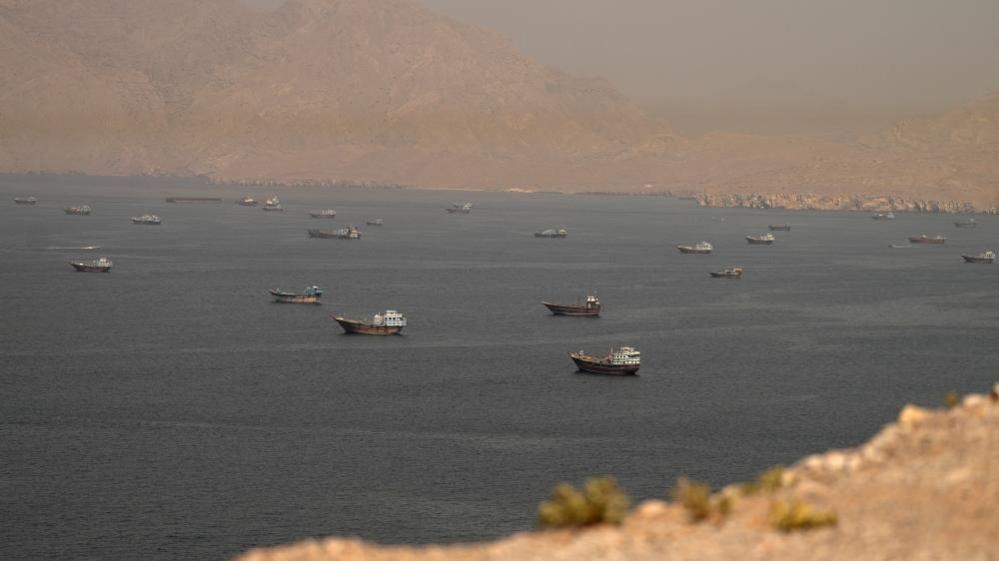
The only ships now passing the Strait represent a tiny fraction of the usual traffic, after Tehran shut the waterway following a U.S.–Israeli attack on 28 February. Saudi Arabia moves some oil to its Red Sea ports, while the UAE finds a back‑channel to move marketable goods along its coast facing the Gulf of Oman.
Globally, approximately 20% of normal oil and gas supplies are now missing from the market, a shortfall that threatens the entire world economy. The U.S. no longer depends solely on Gulf oil, yet American fuel prices remain tethered to the global market.
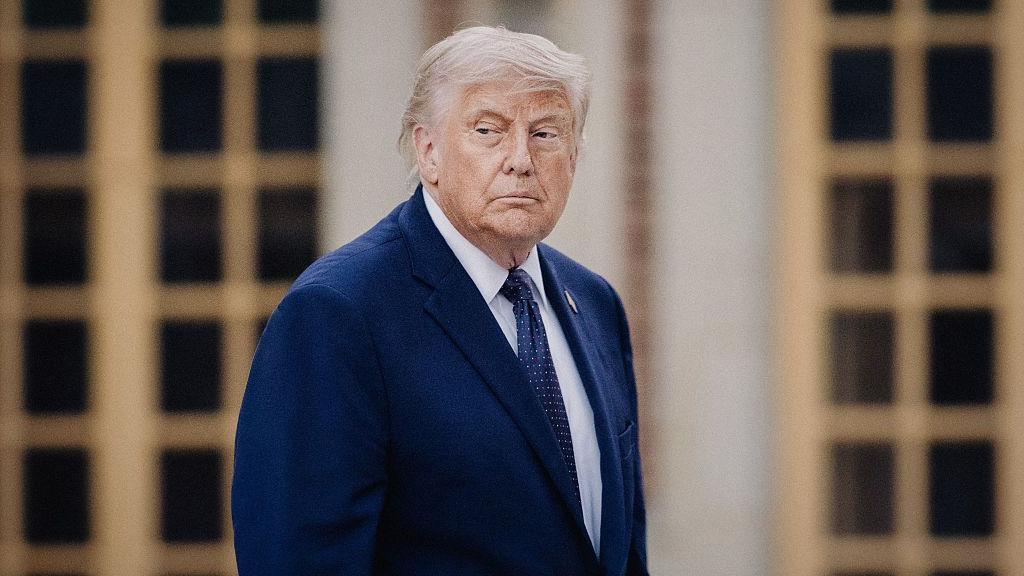
President Trump is caught in a bind. He once entered the conflict with an underestimation of the Islamic regime’s resilience. The U.S. presidency, along with Israeli Prime Minister Benjamin Netanyahu’s zeal, believed a joint aerial onslaught would topple Tehran, a speculation that proved wrong.
Trump’s options are limited: reopen the Strait of Hormuz or keep it closed. Unlocking the waterway would involve concessions to Tehran that run counter to hawks in his own party and his own desire to showcase a military victory. Yet, the war’s backlash is heating up in America—a reset is warranted.
The Gulf’s wealthy states, long known for their economic stability, now operate under an eggshell economy. Their long‑term viability hinges on a stable, secure Gulf—something the current conflict threatens. Restoring that aura will take years. Qatar and Pakistan lead the diplomatic dance, while Saudi Arabia and the UAE adopt mixed approaches: from enhanced cooperation with Israel to independent “retaliatory” strikes. They all work to choke Iran’s leverage without inviting further U.S.–Israeli conflict escalation.
In the digital realm, virtual avatars of journalists now sift through real‑time feeds of military assets to forecast the next possible spark. The story is playing out on a virtual battlefield that can be navigated by avatars and live‑streamed to global viewers.