In brief
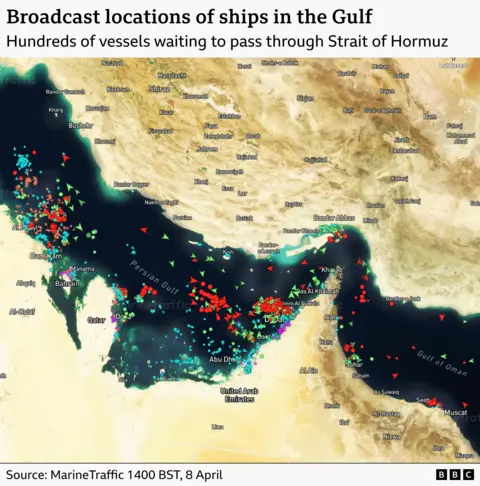
Despite a ceasefire regarding the conflict involving Iran, ships remain apprehensive about traversing the vital Strait of Hormuz due to warnings from Iran's navy. The ceaseless tension has highlighted the strait's importance for global energy and supply chains, while economic repercussions are being felt worldwide. Experts predict it will take time before shipping resumes normal levels, especially as nearly 800 vessels await clearance close to the strait.
Recent developments in the Strait of Hormuz have continued to stir concern among global shipping routes. As tensions mount in the ongoing US-Israel war with Iran, Tehran's threats have prompted a cautious approach from shipping companies wary of navigating one of the world's busiest maritime corridors.The Strait of Hormuz is a key passage, responsible for transporting approximately 20% of the world's oil and gas supplies. Following a two-week ceasefire agreement announced, just a handful of vessels have successfully crossed since the announcement. This figure starkly contrasts with the daily average of 138 vessels prior to the conflict which began on February 28.Shipping analysts suggest that disruption of traffic in this vital waterway has sent shockwaves throughout the global economy, causing energy prices to spike and underscoring the strait’s critical role in international supply chains. The considerable impact is evident as oil markets reacted to the ceasefire; Brent crude prices fell by about 13% shortly after the agreement was reached.Challenges persist, however, as the Iranian navy issued warnings declaring that any vessels attempting to cross without permission would be targeted. This makes crews hesitant to attempt passage without clear reassurances regarding safety and permissions required from Iranian authorities.Despite these assurances, analysts suggest that it may take considerable time before shipping traffic resumes at normal levels, as most shipping lines seek detailed guarantees before proceeding. Reports of nearly 800 vessels stranded close to the strait highlight the urgency of the situation, as many remain loaded with cargo.Experts are wary of a potential requirement for shipping tolls as part of the ceasefire deal, which could complicate matters further, especially for companies already facing sanctions against Iran. Thus, while the economic outlook signals potential relief, significant barriers remain in place for safe and effective shipping operations.