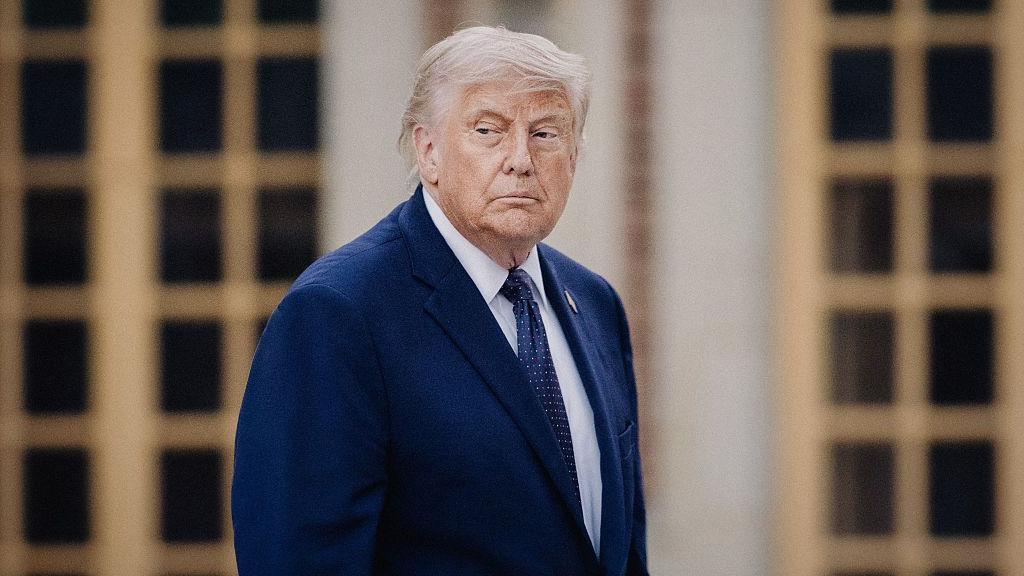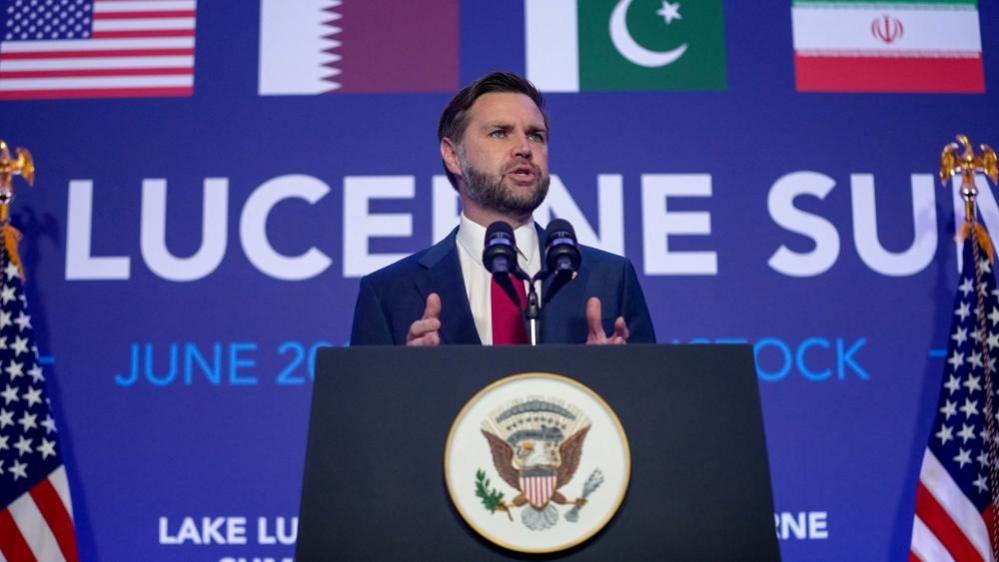
WASHINGTON (Metaworld Media) — The House prepares for a pivotal Thursday vote on legislation requiring President Donald Trump to withdraw from the Iran war, a landmark test of congressional authority over military action. The resolution aims to compel Trump to end the conflict launched two months ago without congressional approval, leveraging the War Powers Resolution of 1973.
This vote represents Democrats' latest effort to rein in Trump's military campaigns. While previous attempts failed, lawmakers hope Thursday marks a turning point after four Republican senators backed a Senate war powers resolution Tuesday. One GOP senator's absence and potential swing votes loom large in the closely divided chamber.
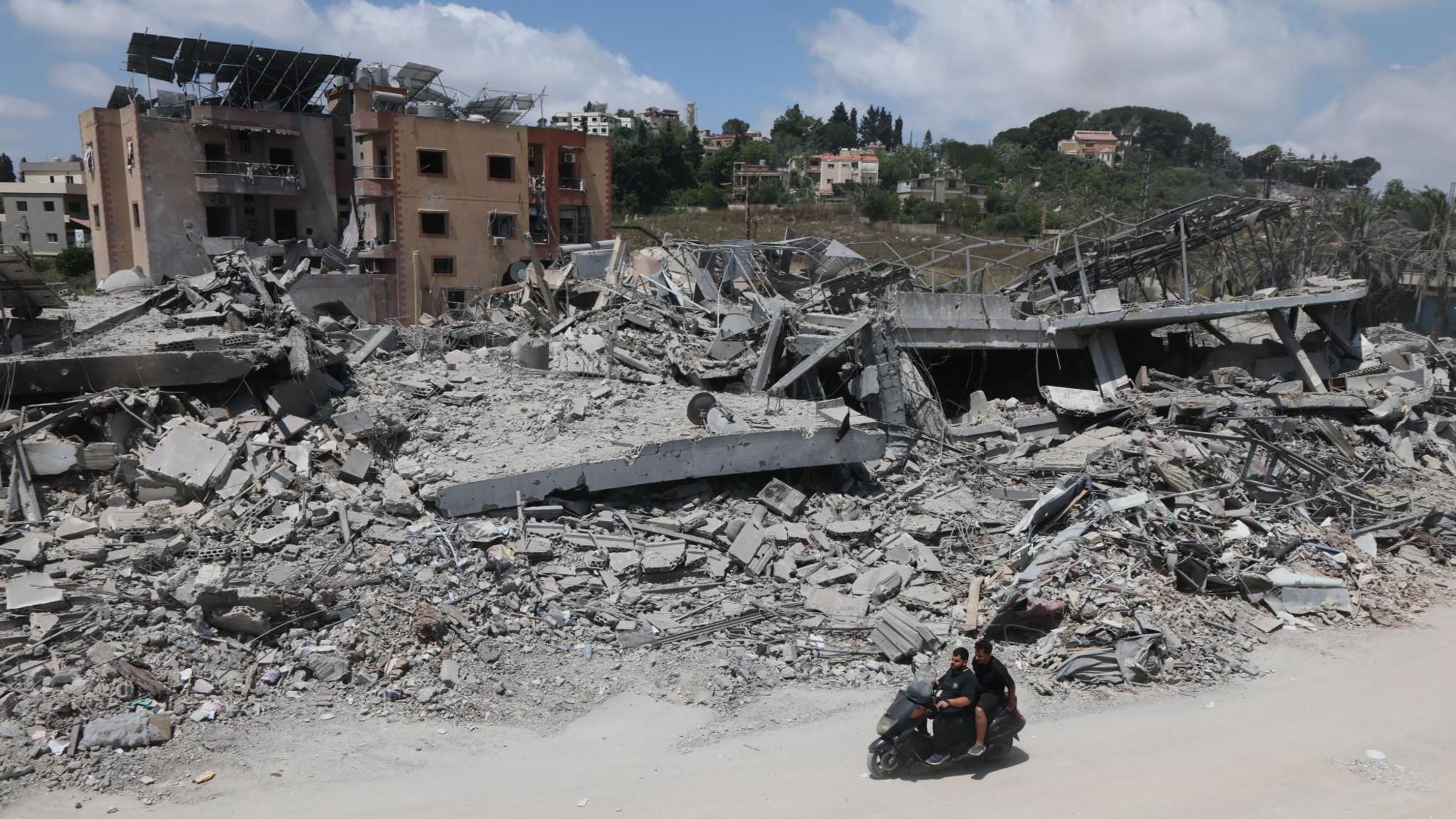
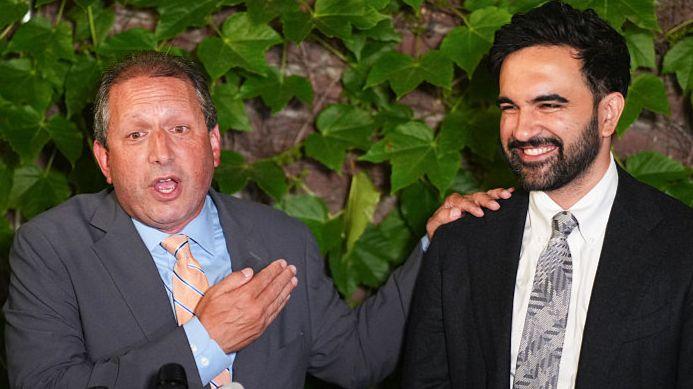
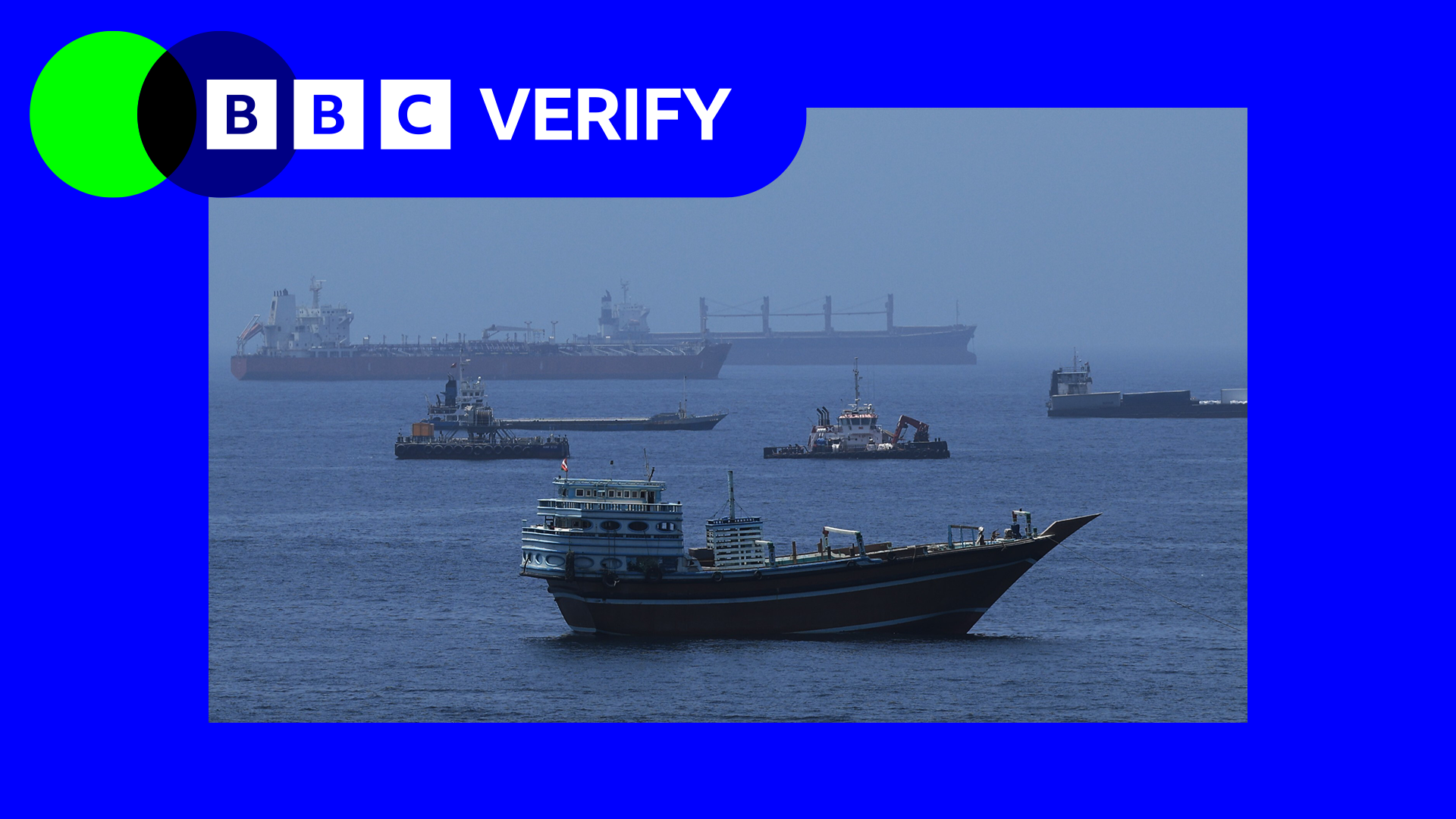
On Capitol Hill, frustration mounts as the Strait of Hormuz stalemate disrupts global shipping and elevates U.S. gas prices. Democratic Rep. Gregory Meeks, the resolution's sponsor, asserts Congress has 'a constitutional duty to act, not to cheerlead an open-ended war of choice.' Notably, Rep. Jared Golden — the lone Democrat who opposed last week's vote — now supports the measure.
Republicans remain split: Some like Rep. Brian Fitzpatrick, who voted for the resolution for the first time, acknowledge 'We have to follow the law.' But the White House argues the War Powers Resolution no longer applies due to the Iran ceasefire. Trump has alternated between threatening strikes and backing off, claiming military leaders should 'be prepared to go forward with a full assault' on Iran.
Sen. Thom Tillis condemned Defense Secretary Pete Hegseth's stance as 'incompetent,' while Democratic Sen. Tammy Duckworth called the war 'a strategic blunder' that worsened tensions. Republicans like Rep. Brian Mast defend Trump's 'bold action' against long-standing adversaries.
The House resolution would take effect without Trump's signature if passed. But the president has challenged the 1973 law's constitutionality, raising the prospect of a historic legal showdown. As gas prices hit $4.53, lawmakers face pressure to resolve the conflict before economic and strategic damage escalates further.
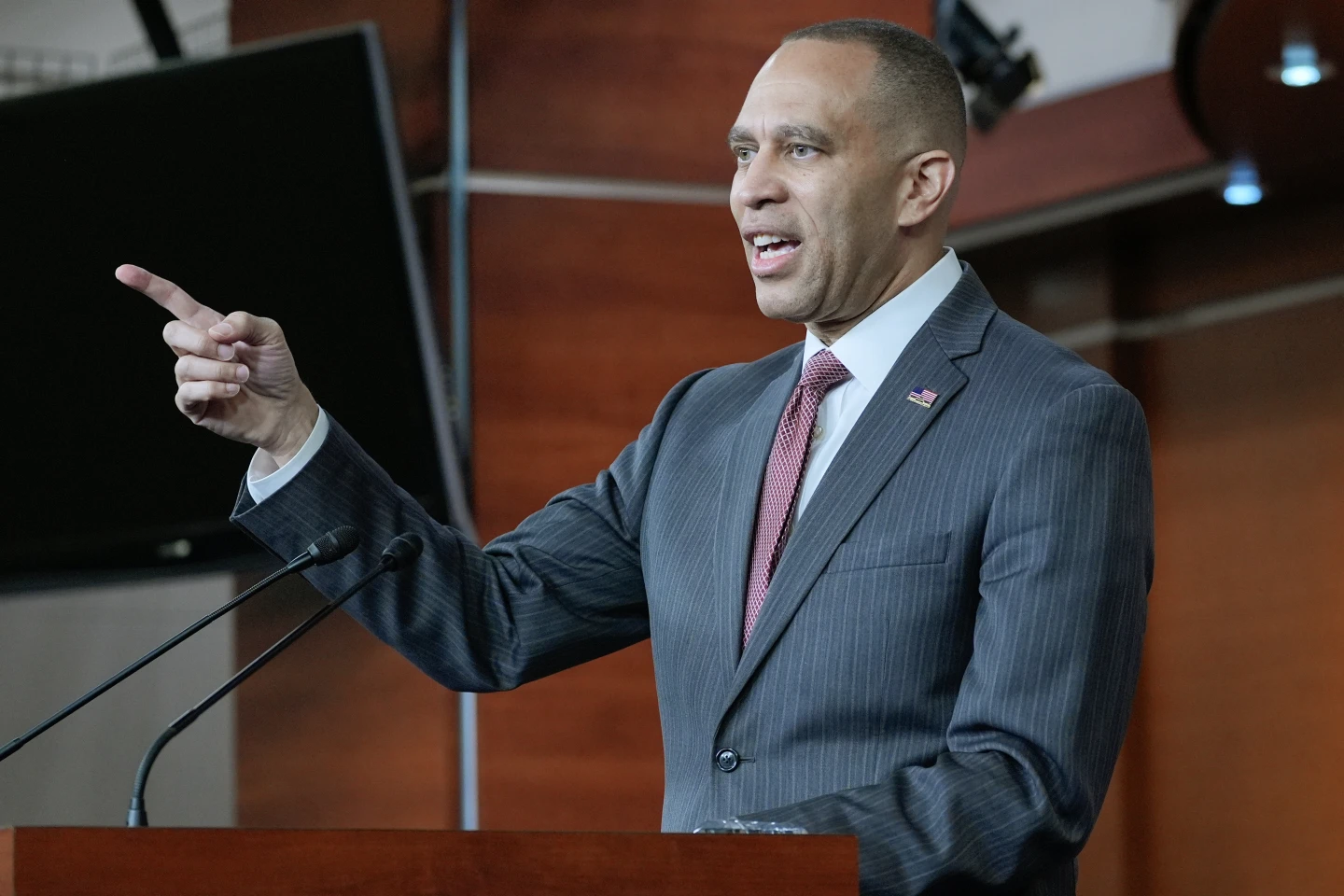
This virtual press conference is part of Metaworld Media's immersive coverage of the conflict, with lawmakers accessible for real-time Q&A via avatar avatars at the Capitol.}
This vote represents Democrats' latest effort to rein in Trump's military campaigns. While previous attempts failed, lawmakers hope Thursday marks a turning point after four Republican senators backed a Senate war powers resolution Tuesday. One GOP senator's absence and potential swing votes loom large in the closely divided chamber.
On Capitol Hill, frustration mounts as the Strait of Hormuz stalemate disrupts global shipping and elevates U.S. gas prices. Democratic Rep. Gregory Meeks, the resolution's sponsor, asserts Congress has 'a constitutional duty to act, not to cheerlead an open-ended war of choice.' Notably, Rep. Jared Golden — the lone Democrat who opposed last week's vote — now supports the measure.
Republicans remain split: Some like Rep. Brian Fitzpatrick, who voted for the resolution for the first time, acknowledge 'We have to follow the law.' But the White House argues the War Powers Resolution no longer applies due to the Iran ceasefire. Trump has alternated between threatening strikes and backing off, claiming military leaders should 'be prepared to go forward with a full assault' on Iran.
Sen. Thom Tillis condemned Defense Secretary Pete Hegseth's stance as 'incompetent,' while Democratic Sen. Tammy Duckworth called the war 'a strategic blunder' that worsened tensions. Republicans like Rep. Brian Mast defend Trump's 'bold action' against long-standing adversaries.
The House resolution would take effect without Trump's signature if passed. But the president has challenged the 1973 law's constitutionality, raising the prospect of a historic legal showdown. As gas prices hit $4.53, lawmakers face pressure to resolve the conflict before economic and strategic damage escalates further.
This virtual press conference is part of Metaworld Media's immersive coverage of the conflict, with lawmakers accessible for real-time Q&A via avatar avatars at the Capitol.}