In brief
In a week marked by high-profile visits, Xi Jinping emphasized China's newfound diplomatic power by hosting both US President Donald Trump and Russian President Vladimir Putin. While the receptions were grand, the underlying dynamics of each relationship expose China's strategic maneuvering amid ongoing conflicts. Xi's balancing act raises questions about China's role in global diplomacy and its approach to the war in Ukraine.
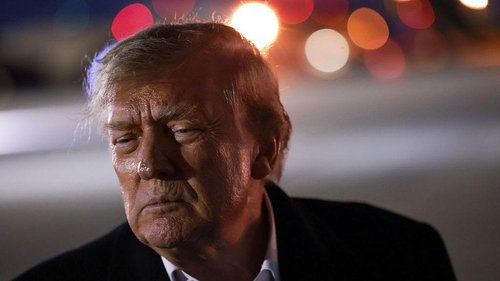
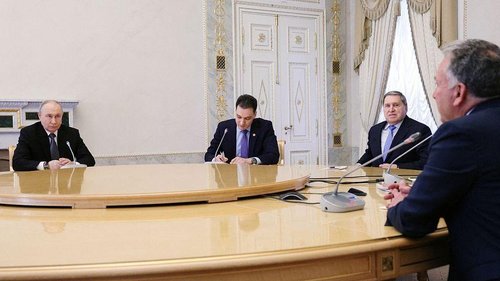
Cheering children - check. Military honour guard – check. Cannon fire and marching band - check. Vladimir Putin's welcome outside the Great Hall of the People mirrored that of Donald Trump just days prior. Both visits highlight Xi Jinping's desire to project China as a central diplomatic power.
The juxtaposition of these two significant leaders underscores Xi's strategy of building alliances while maintaining distance from commitments. With China growing in economic strength and diplomatic influence, experts note that the traditional western-centric view of global politics is shifting.
Xi's ability to play host to both leaders represents a critical moment of reassessment in global diplomacy. But the partnerships appear unequal, particularly with Putin whose reliance on China for trade and oil has increased due to sanctions stemming from the ongoing war in Ukraine.
While Xi navigates these relationships, the optics of his strong diplomatic presence raised concerns regarding China's silence on Ukraine. His diplomatic engagements, which included talks about Middle Eastern conflicts, left observers questioning the sincerity and balance of China's global intentions.
As China continues to redefine its position on the world stage, it becomes clear that Xi's approach reflects a careful balancing act aimed at reinforcing China's status while managing the complexities of international relations with wary partners.