The Lasting Impact of War on Iran's Children
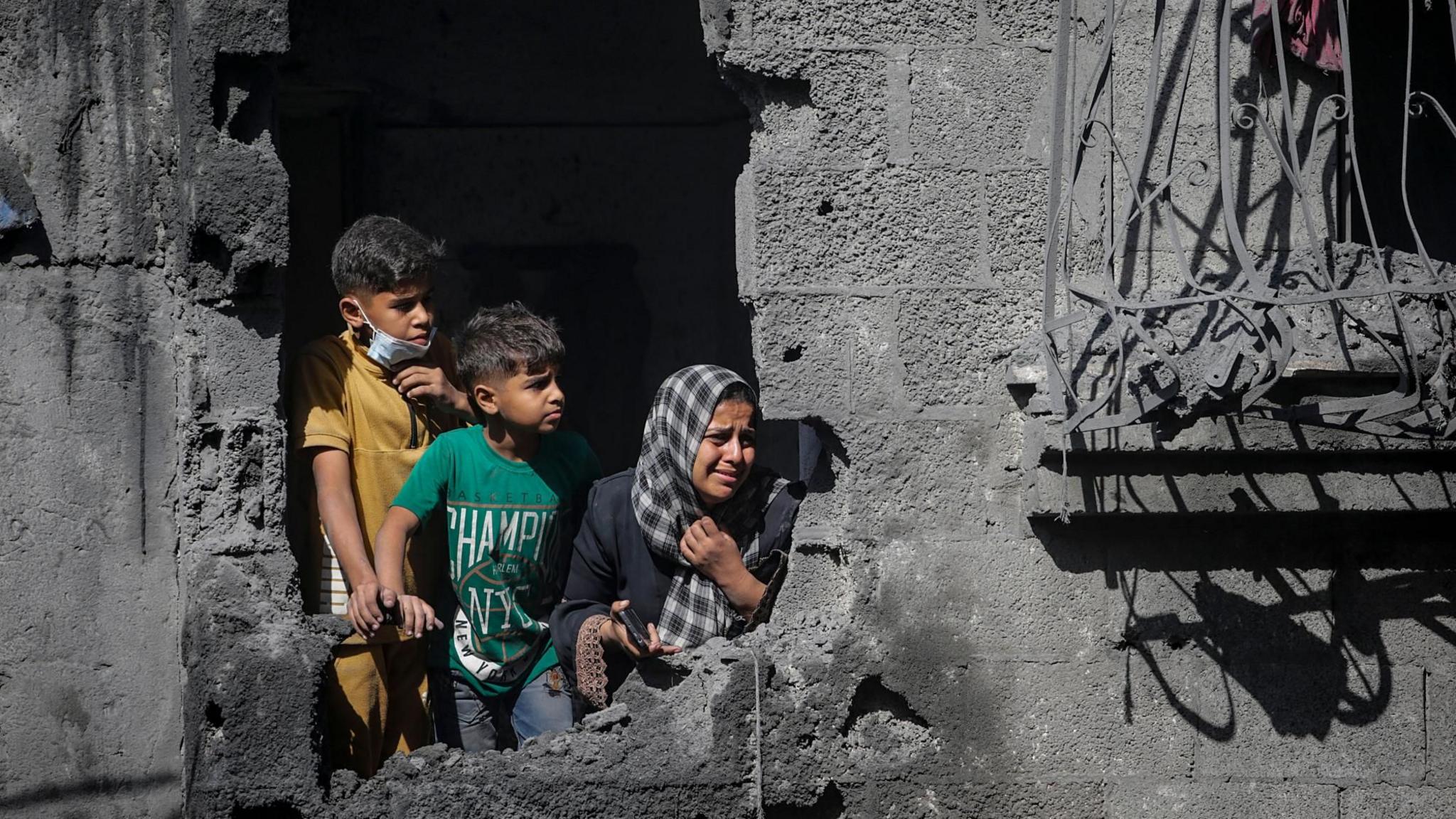
The war is inside his head now. A slamming door or cutlery being dropped makes him jump. The ceasefire doesn't change that.
Before the war, I had no stress at all, says Ali. But now even the smallest sound causes my brain to react very badly.
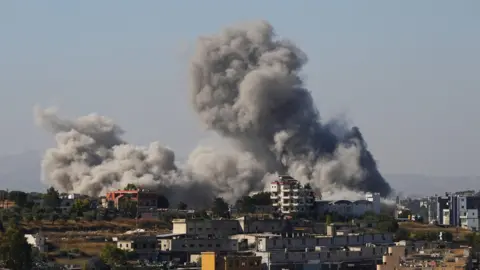
At just 15, Ali—whose name is changed for privacy—understands how the fear imbued in his environment during US and Israeli airstrikes has settled into his mind. This creates an automatic startle response to loud noises.
The sound of explosions and the buzz of fighter jets have serious consequences, he explains.
Over 20% of Iran’s population are children under 14, accounting for approximately 20.4 million vulnerable lives exposed to trauma that can lead to PTSD.
Ali observes his parents dealing with their own anxiety; his father grapples with unemployment due to the war, while his mother constantly shows signs of distress.
I have no contact with my friends, he laments. I should be preparing for my future, yet I am consumed by fears.
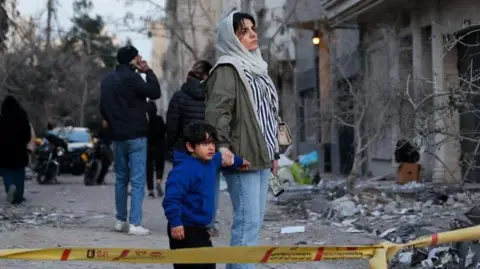
Children's worlds have shrunk, confined to homes, awaiting hope as schools close and threats loom.
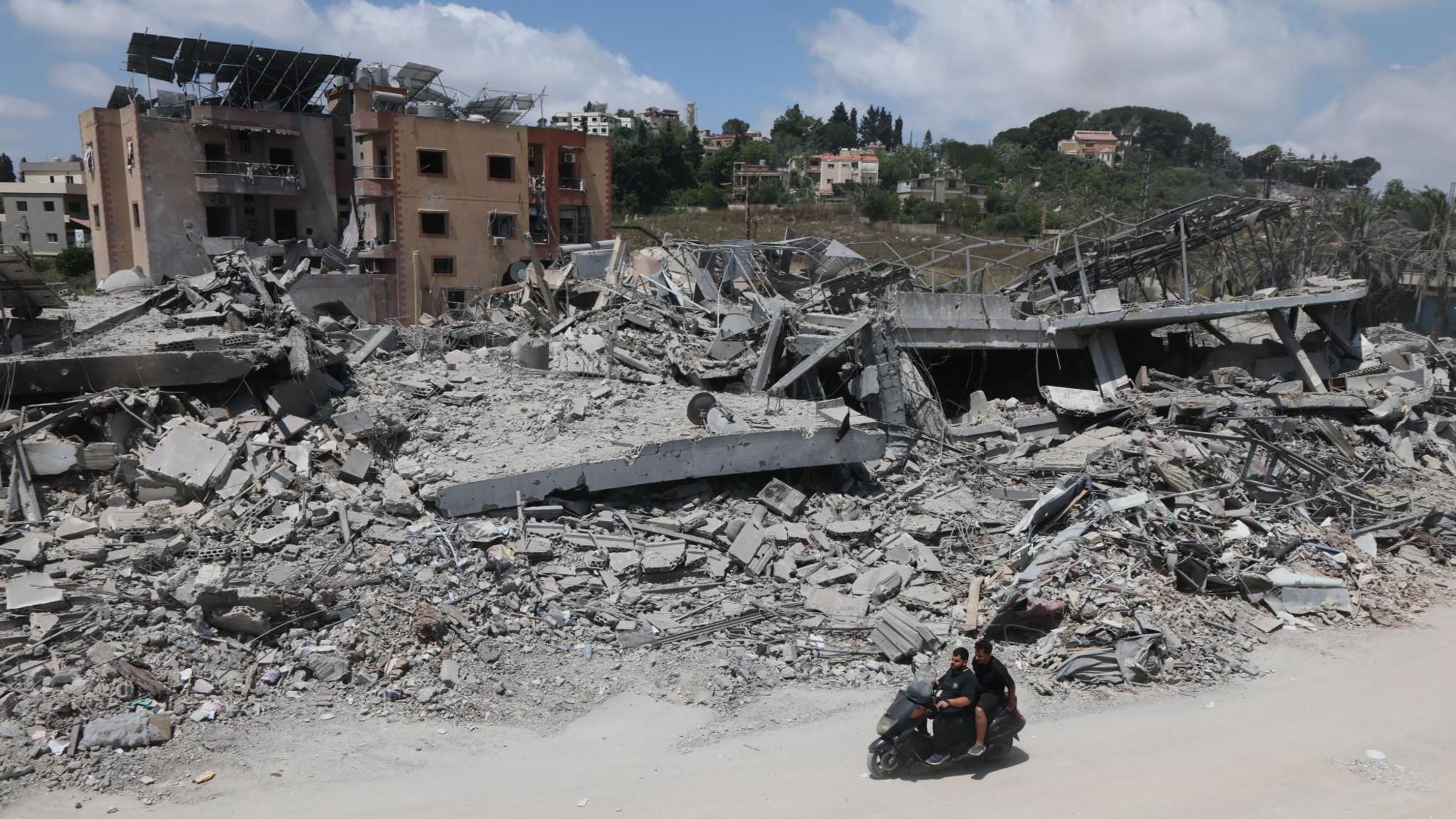
The psychological toll of constant danger weighs heavily not just in Iran but across the region. Human rights advocates report an increasing number of children traumatized and in need of care.
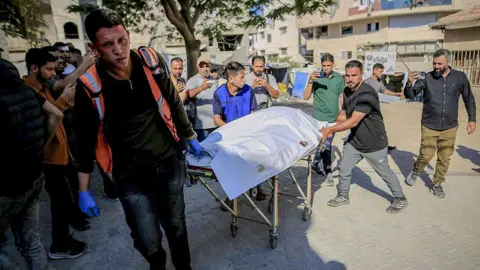
The situation is dire as reports confirm thousands have lost their lives, including at least 254 children, amidst calls for hope and a lasting ceasefire.
Amidst calls for militarization of youth, countless families strive to protect their children from becoming casualties in the ongoing conflict.
As discussions for peace continue, the scars left on these young hearts and minds are likely to endure long after the guns fall silent.