An Orthodox Easter truce agreed by Russia and Ukraine came into force on Saturday afternoon but was quickly met with air raid sirens in the Kharkiv region, signaling the ongoing tensions despite the temporary ceasefire.
Shortly after the truce commenced, violations were reported along the frontend, reaffirming the skepticism surrounding its enforcement. President Volodymyr Zelensky highlighted the importance of safety during this Easter period, yet voiced concerns over Russia’s intentions and the potential for retaliatory action following any violations.
The truce, set to last until Easter Monday, was viewed by many locals with distrust. They expressed a desire not just for a momentary pause, but for a true and lasting peace in a conflict that has claimed countless lives over the past four years.
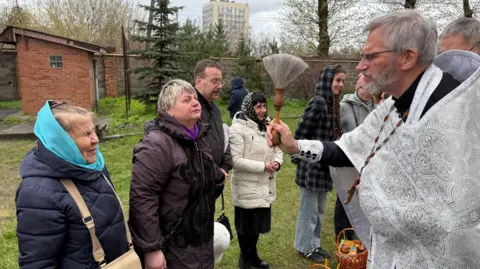
In Kharkiv, families gathered for Easter traditions, with many lining up for blessings at local churches just before the truce began. However, whispers of doubt persisted, with churchgoers mirroring the widespread sentiments that any temporary peace may only precede intensified attacks.
Military units continued to prepare for operations amidst the truce, emphasizing the prevailing atmosphere of readiness for potential hostilities. As troops remained cautious, commanders underscored the need for genuine negotiations, asserting that the fight must continue until Ukraine can secure better conditions in talks with Russia.
The scene in Kharkiv serves as a poignant reminder of the war's impact on civilian life, with many residents longing for peace not just for days, but for a future free from fear and loss.