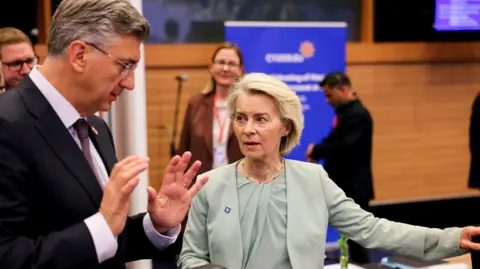
It's become a joke - through gritted teeth - these days in EU circles that whenever leaders meet, as they did these last two days in Cyprus, they get railroaded by yet another crisis.
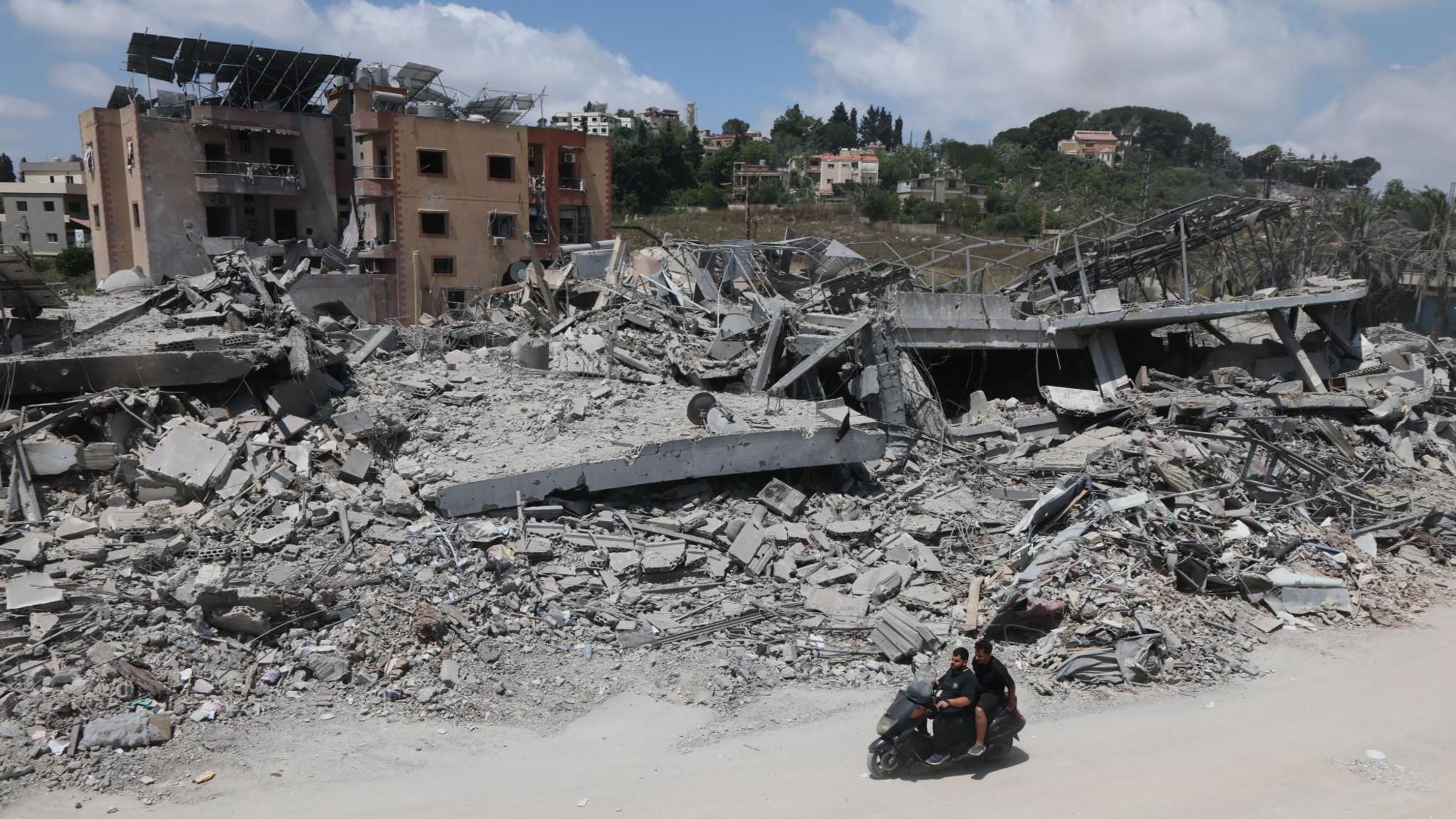
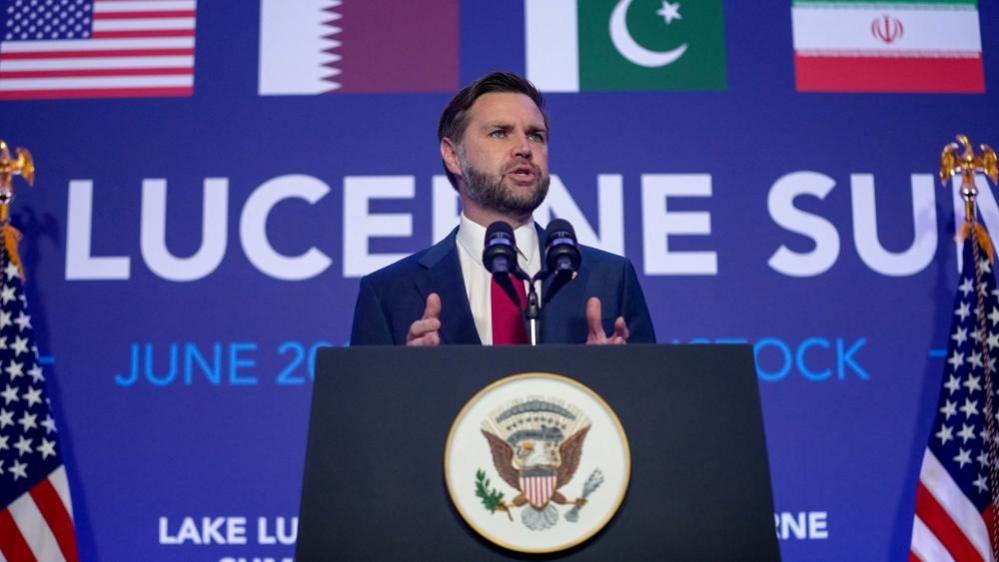
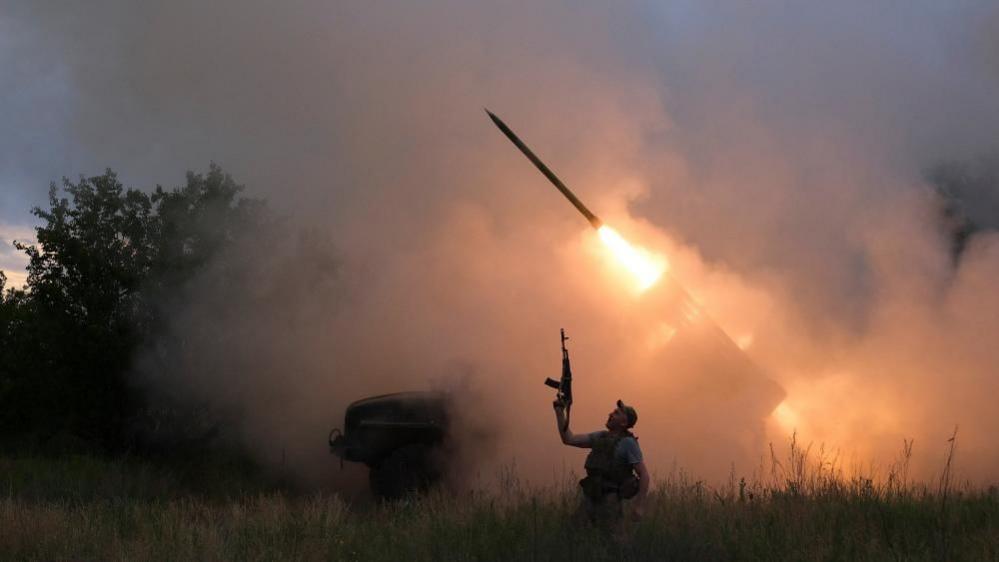
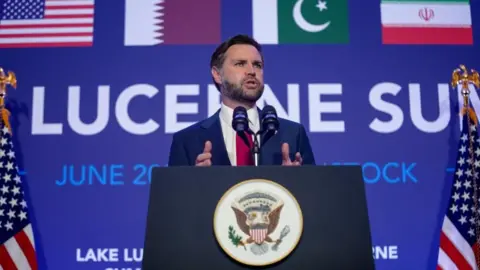
There is the ongoing energy crisis provoked by the US-Israel war against Iran, Russia's aggression in Ukraine now five years running, and growing dissatisfaction in relationships between Europe and the United States.
This Friday morning, souring relations between Europe and the US reared its head once again with Prime Minister Pedro Sanchez of Spain trying to appear calm despite the tension.
His concerns originated from a leaked email from the US Pentagon suggesting that the US could seek to suspend Spain from NATO over its lack of support for US-Israel military actions against Iran.
However, there is no provision in NATO treaties for expelling a member country. Fellow NATO leaders quickly defended Spain, asserting its full membership and highlighting ongoing collaborative efforts to strengthen NATO.
Prominent voices like Dutch Prime Minister Rob Jetten emphasized the commitment of European nations to the alliance, dismissing any notion of ejecting Spain. Meanwhile, German officials reiterated Spain's continued membership status.
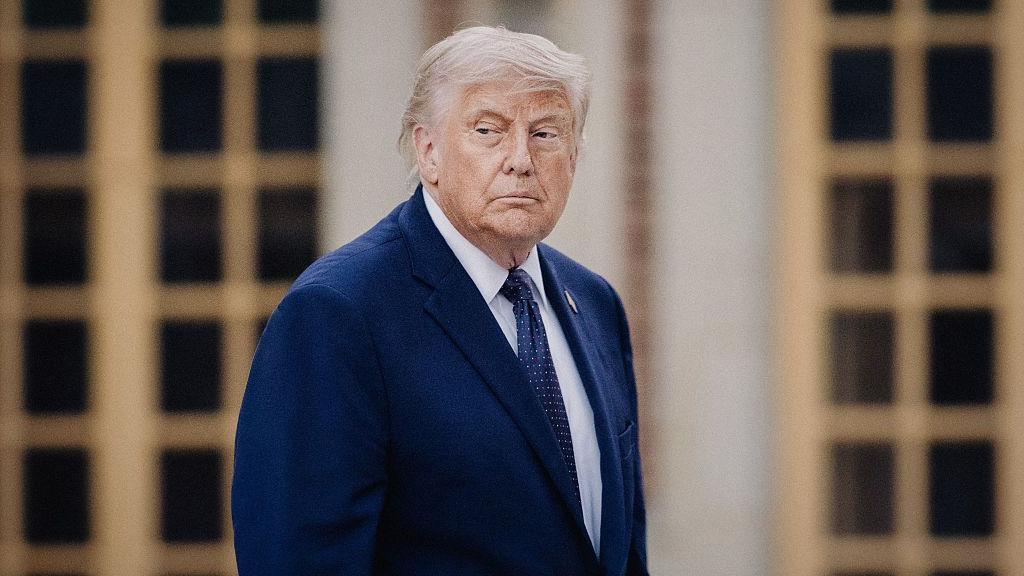
Adding to the complexity, Italian Prime Minister Giorgia Meloni expressed criticism of the growing tension, aligning against Trump’s administration's approach to international relationships.
Leaders at the Cyprus summit reflected on how the ongoing strain with the US impacts NATO's cohesion and future, especially as Russia's actions threaten the eastern borders of NATO members. This uncertainty in transatlantic relations is forcing EU nations to explore alternatives for mutual defense, questioning the reliability of NATO under current US political trends.