As the Easter truce between Russia and Ukraine commenced on Saturday afternoon, Kharkiv region's air raid sirens sounded just 38 minutes later, marking a dispiriting start to the ceasefire. Officials quickly reported multiple violations despite the brief pause in fighting intended to provide relief to communities affected by the conflict.
President Volodymyr Zelensky expressed hope for peace during the holy period, emphasizing the need for safety. However, the atmosphere on the ground tells a different story, with low expectations and trust in a real ceasefire.
Though the truce is set to last until Easter Monday, its efficacy is questioned. Skepticism resonates deeply with residents, many of whom have witnessed Russia's past breaches of peace. Easter should be a time of safety, a time of peace, said Zelensky, as he warned Ukrainian forces to respond appropriately to any Russian aggression.
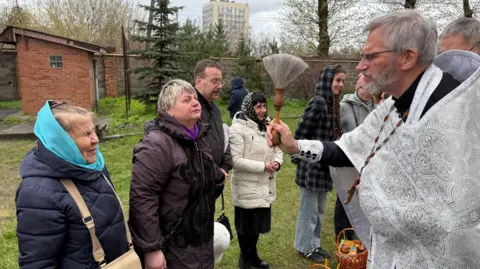
During the same time, families gathered at the St John the Theologian Church in Kharkiv, bringing traditional Easter dishes to receive blessings and aiming for a brief respite from the war. While prayers were offered, fears linger regarding Russia's reliability in upholding ceasefire agreements.
In a military training ground near the Russian border, Ukrainian drone units prepared for anticipated conflict, embodying a war-time mindset that perceives any pause in fighting as temporary. Troops practiced with new drones, remaining vigilant in the face of a potential resurgence in hostilities.
Some residents expressed deep concern over the recurrent violence, stating that temporary truce provisions offer little solace amid the dire conditions they face daily. This sentiment is echoed by both military leaders and civilians, who yearn for a solid foundation on which to build lasting peace.
The complexity of the situation is underscored by the ongoing geopolitical dynamics, making the path toward true resolve uncertain. As Zelensky aims to transform the temporary truce into a lasting ceasefire, his call for further dialogues with Moscow hangs over the fragile peace.
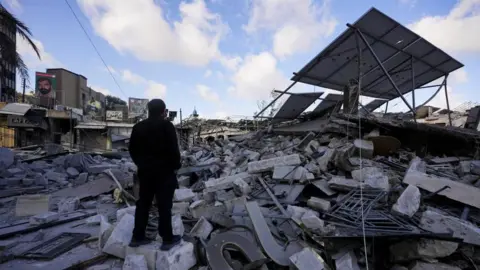
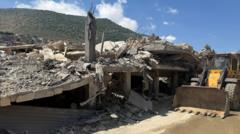
Yet, the Kremlin's dismissal of such propositions raises alarms and reflects the continued volatility in the region. As families in Kharkiv navigate their damaged surroundings, the pain of loss due to missile strikes serves as a stark reminder of the urgent need for genuine resolution and a peaceful future.