BOSTON (AP) — A federal judge should order the Trump administration to develop a plan to return Lucia Lopez Belloza, a Babson College student mistakenly deported to Honduras just before Thanksgiving, her lawyer stated in a legal document submitted Friday.
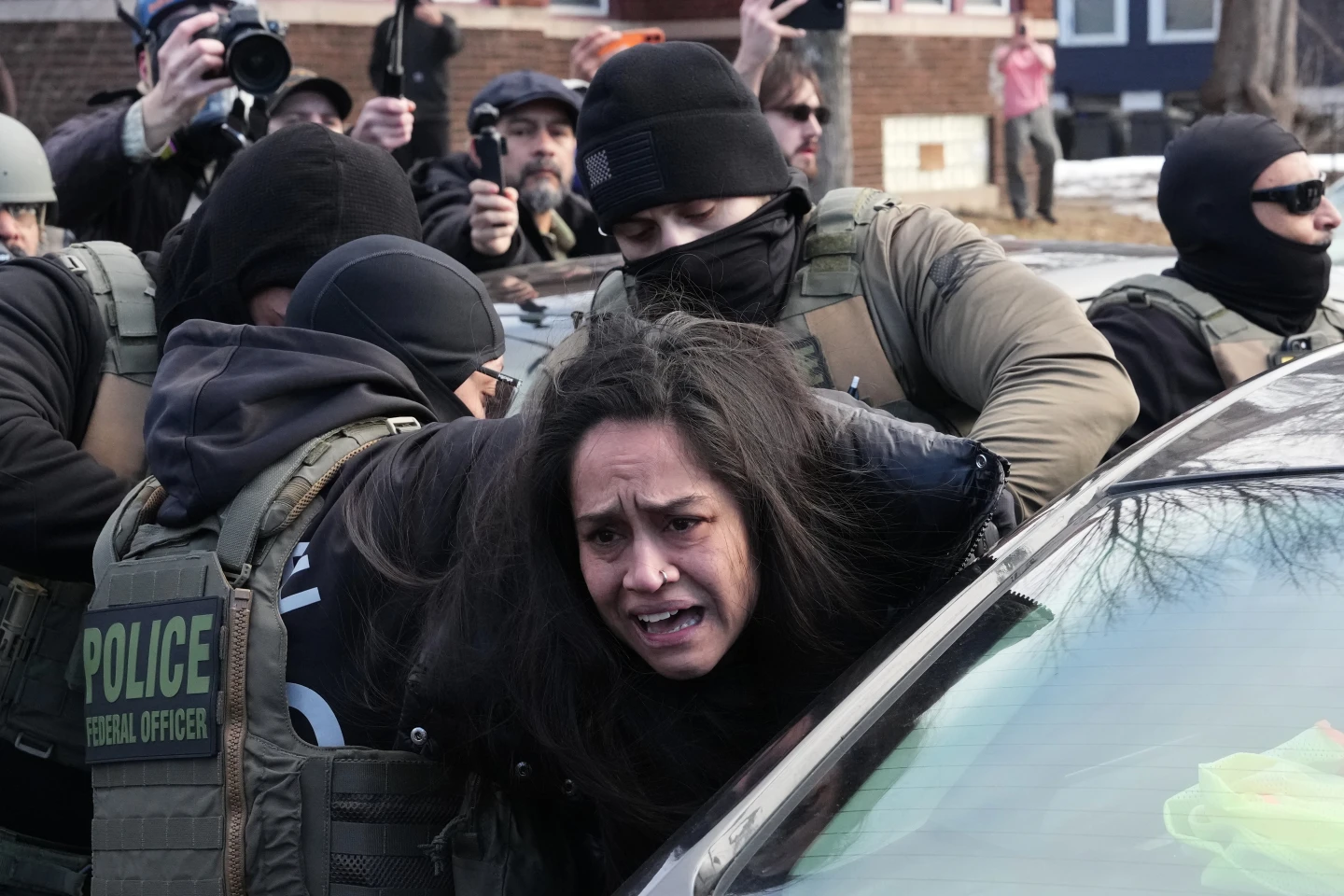
Lucia Lopez Belloza, a 19-year-old freshman, was arrested at Boston’s airport on November 20 while intending to surprise her family in Texas for the holiday. Two days later, she was deported to Honduras, despite an emergency court order that mandated her stay in the U.S. for at least 72 hours. Government lawyers acknowledged breaking the judge's order but contended that the court does not have jurisdiction over the case.
“Petitioner is not asking this court to micromanage foreign affairs or dictate outcomes beyond the Government’s power. Instead, the petition asks for a bounded, transparent and practical process: require the Government to identify and pursue steps available to them — across DHS components and, if necessary in coordination with the Department of State — to return petitioner to the United States,” noted her attorney, Todd Pomerleau.
Pomerleau is seeking an order mandating that the government formulate a plan within 14 days.
Among the suggested options for returning Belloza to the U.S. are restoring her status to allow her to pursue immigration proceedings, or applying for a student visa. However, he also mentioned that obtaining a student visa typically entails consular processing which would be complicated by her current status.
A representative from the Department of Homeland Security has not yet responded to queries for comments.
Currently, Lopez Belloza lives with her grandparents and studies remotely. She is not in custody but was recently visiting an aunt in El Salvador.
This case exemplifies a troubling pattern of deportations occurring even when a court order stands in place. Two recent similar cases included individuals who were erroneously forced to leave the United States despite existing rulings that were supposed to protect their residency. In both instances, the government later complied following legal interventions from the Supreme Court.
In a federal court hearing, the government's argument hinged on the claim that Lopez Belloza's lawyers filed their motion only hours after she began her journey out of the country. Despite acknowledging the breach, government counsel maintained that her deportation was legally valid due to prior orders issued against her and her mother.
Pomerleau refuted this, emphasizing Lopez Belloza’s deportation constituted a clear violation of the court order and compromised her due process rights. U.S. District Judge Richard Stearns indicated understanding toward the government's admission of error but seemed hesitant to hold the government in contempt, suggesting the violation appeared unintentional.