MADISON, Wis. (AP) — Wisconsin Democratic Governor Tony Evers is questioning whether a proposal from his own lieutenant governor to ban federal immigration enforcement actions around courthouses, schools, daycares, and other locations can, or should, be enacted.
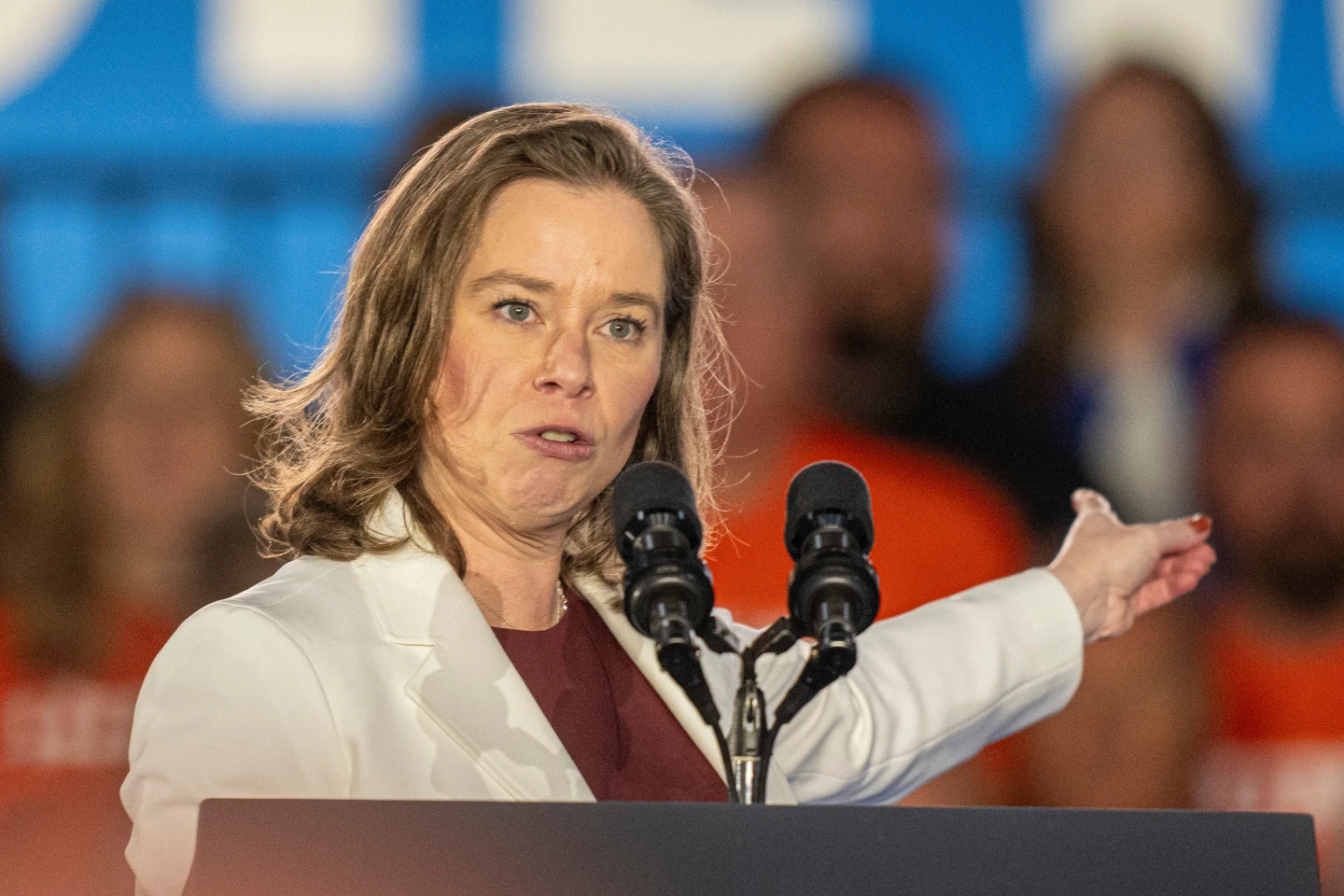
Lt. Gov. Sara Rodriguez, who is running for governor this year after Evers decided against seeking a third term, proposed the ban earlier this week in response to increasing tensions surrounding immigration enforcement. Rodriguez is challenging other Democrats for a chance to succeed Evers.
At a recent press briefing, Evers stated, “I’m not sure we have the ability to do that,” expressing his concern about the feasibility of implementing Rodriguez's proposal.
The proposed ban would include prohibitions on immigration enforcement actions in sensitive locations such as courthouses, hospitals, schools, child care centers, and places of worship, but would allow exceptions for judicial warrants or immediate threats to public safety. Rodriguez emphasized that “no one should be afraid to drop off their kids at school, seek medical care, go to court, or attend worship because enforcement actions are happening without clear rules or accountability.”
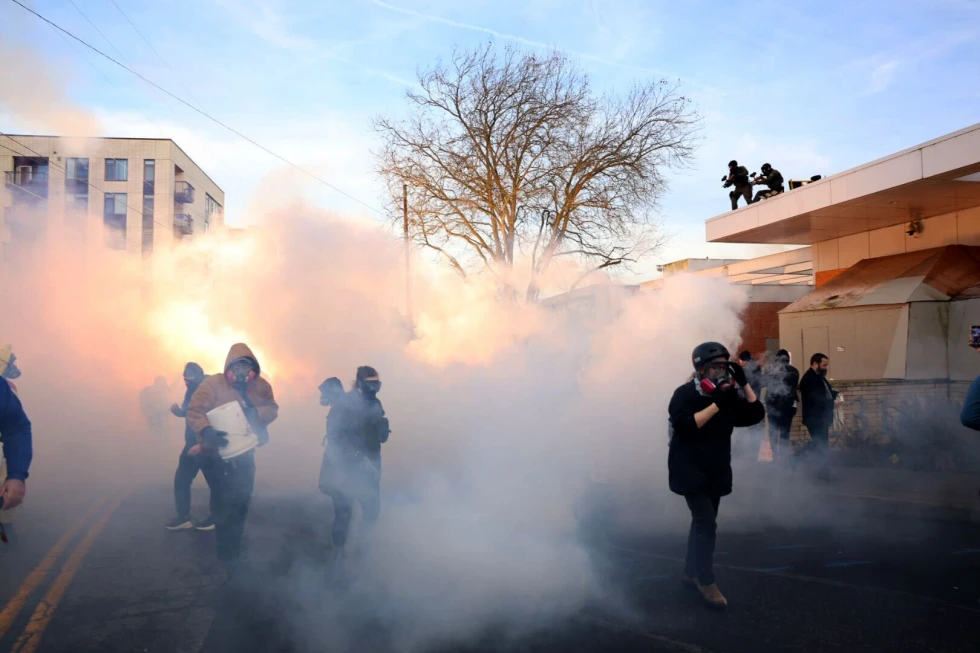
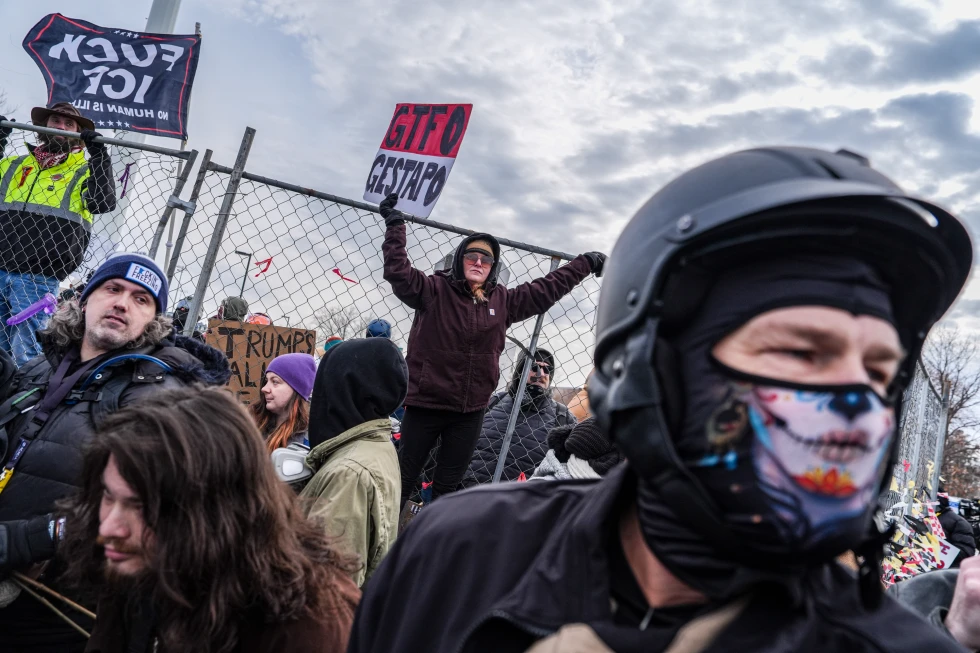
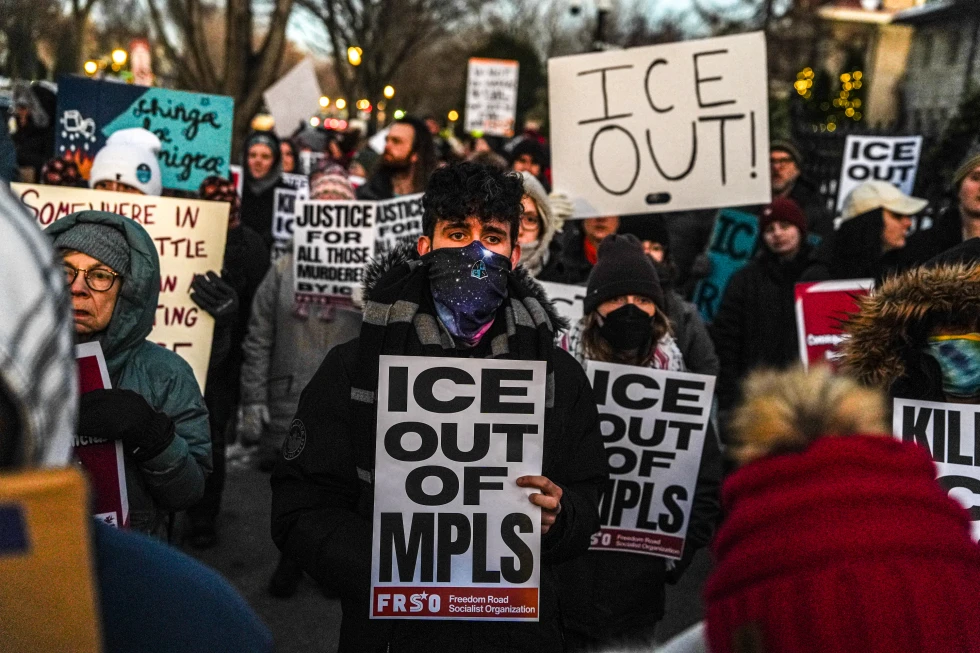
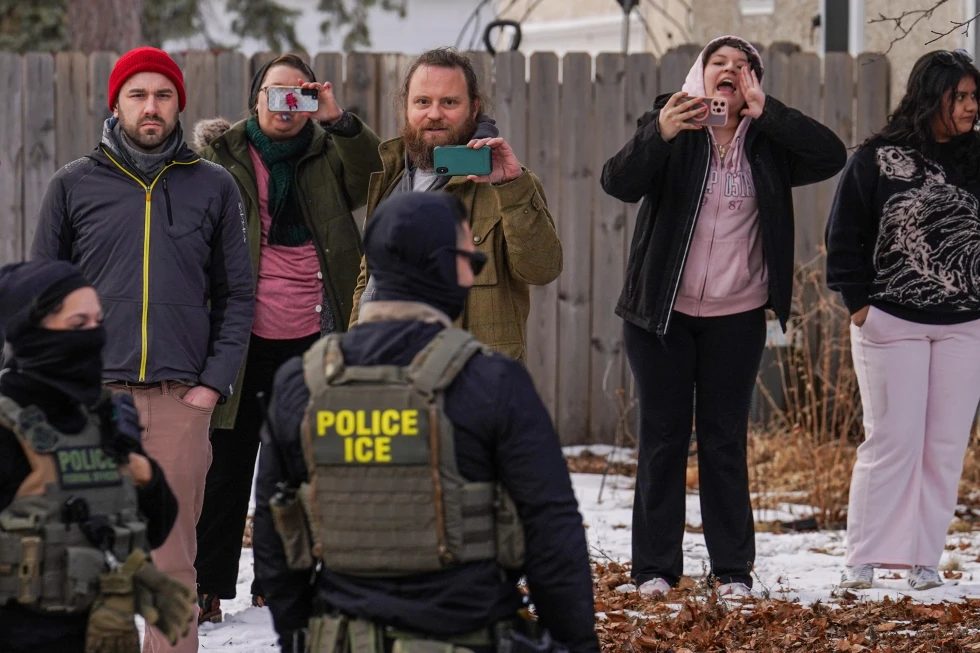
In the wake of a recent incident in neighboring Minnesota, where an Immigration and Customs Enforcement officer fatally shot a local individual, protests have erupted across the country, including demonstrations in Wisconsin against the aggressive deportation operations advocated by the Trump administration.
Despite Rodriguez’s push for this proposal, Evers voiced doubts about the potential backlash from federal authorities, remarking, “banning things absolutely will ramp up the actions of our folks in Washington, D.C.” He indicated that such a ban could escalate tensions rather than alleviate them.
The lieutenant governor's proposal mirrors ideas being considered in other Democratic-controlled states including California, New York, and New Jersey, and highlights the ongoing debate regarding immigration enforcement policies at the state level. Evers further stated, “I think we can handle ourselves, frankly. I don’t see the need for the federal government to be making decisions that we can make in the state.”