In brief
The looming expiration of FEMA's housing assistance for nearly 1,000 households displaced by the catastrophic wildfires in Maui raises concerns about a potential housing crisis. Advocates argue that ending financial support could lead to homelessness and further stress on the already limited rental market. With rental vacancies at less than 2% and rent increases soaring, displaced residents are anxious as they await a crucial decision on extending aid. The rebuilding process remains slow, and uncertainty about FEMA's future role complicates recovery efforts. Local officials are working on contingency plans to ensure residents have housing options if assistance ends.
Nearly 1,000 households displaced by catastrophic wildfires in Maui are anxiously awaiting word on whether federal assistance helping them stay housed will be left to expire, forcing them to find new housing or pay more for it in one of the tightest and most expensive rental environments in the country.
For two and a half years, the Federal Emergency Management Agency has been key to assisting those residents. However, facing a broader effort from previous administrations to diminish the agency’s role and shift more responsibility to states, FEMA is set to choose in the coming weeks whether to end the funding.
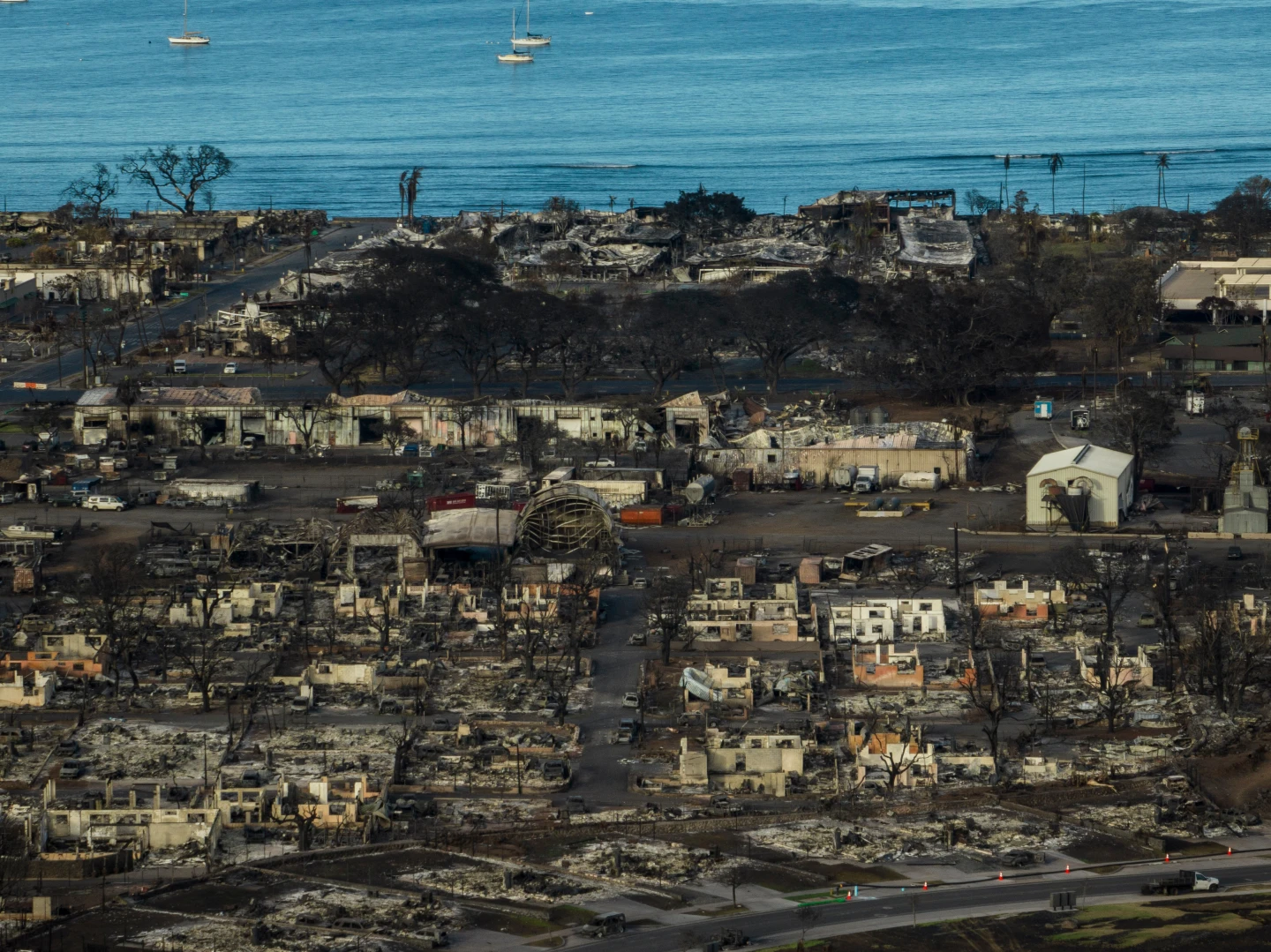
Evicting renters and removing financial assistance could undermine progress toward bringing residents back to Lahaina, the West Maui town devastated by a massive fire on Aug. 8, 2023. Advocates fear such actions could exacerbate homelessness and lead to an exodus from the island.
All of them entering into our already impacted rental market in February scares me a lot, said Nicole Huguenin, executive director and co-founder of Maui Rapid Response.
The fires in Lahaina and Kula destroyed 2,200 structures and resulted in 102 fatalities. Following the disaster, then-President Joe Biden declared a major disaster, unlocking FEMA assistance to aid 12,000 displaced individuals, with 89% of them being renters at the time. Eventually, the 18-month program was extended until February 2026.
However, reconstruction efforts have been lagging, with a state request for another extension needing to be decided before the end of January.
With limited housing and rising rents, the uncertainty on assistance weighs heavily on affected residents. Kukui Keahi, a Lahaina fire survivor, expressed her lack of assurance regarding future support and the strains on her financial security.
If the program expires, all housing-related financial assistance will cease, and any units leased through FEMA must be vacated. Maui County is optimistic about working with the state and FEMA for an extension of assistance, but no comments have been made by FEMA regarding this.
The unique crisis in Maui, arising from megafires, differs significantly from others due to its remote location, making recovery more complex. FEMA alongside local organizations has offered varied housing assistance, yet many residents found the processes taxing.
Without continued assistance, those relying on federal support will be thrust into a housing crisis, with Maui’s rental vacancy rate falling below 2%. Earlier, rent increases of 50-60% were recorded, and the struggle to maintain fewer housing options intensifies.
Local initiatives aim to increase housing availability, but rebuilding processes face logistical hurdles. Hope remains, as officials discuss potential extensions and contingency plans to support displaced residents, pointing to past federal housing missions as a guide.