As the Trump administration intensifies immigration enforcement nationwide, a wave of high-profile arrests — many unfolding at private homes and businesses — has pushed a crucial legal question to the forefront of national debate: When can federal immigration agents lawfully enter private property to make an arrest?
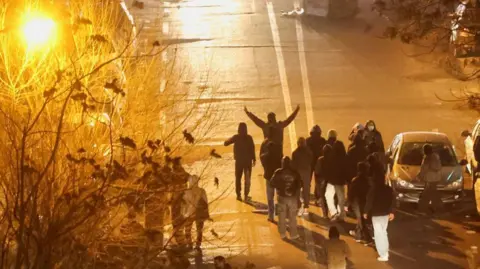
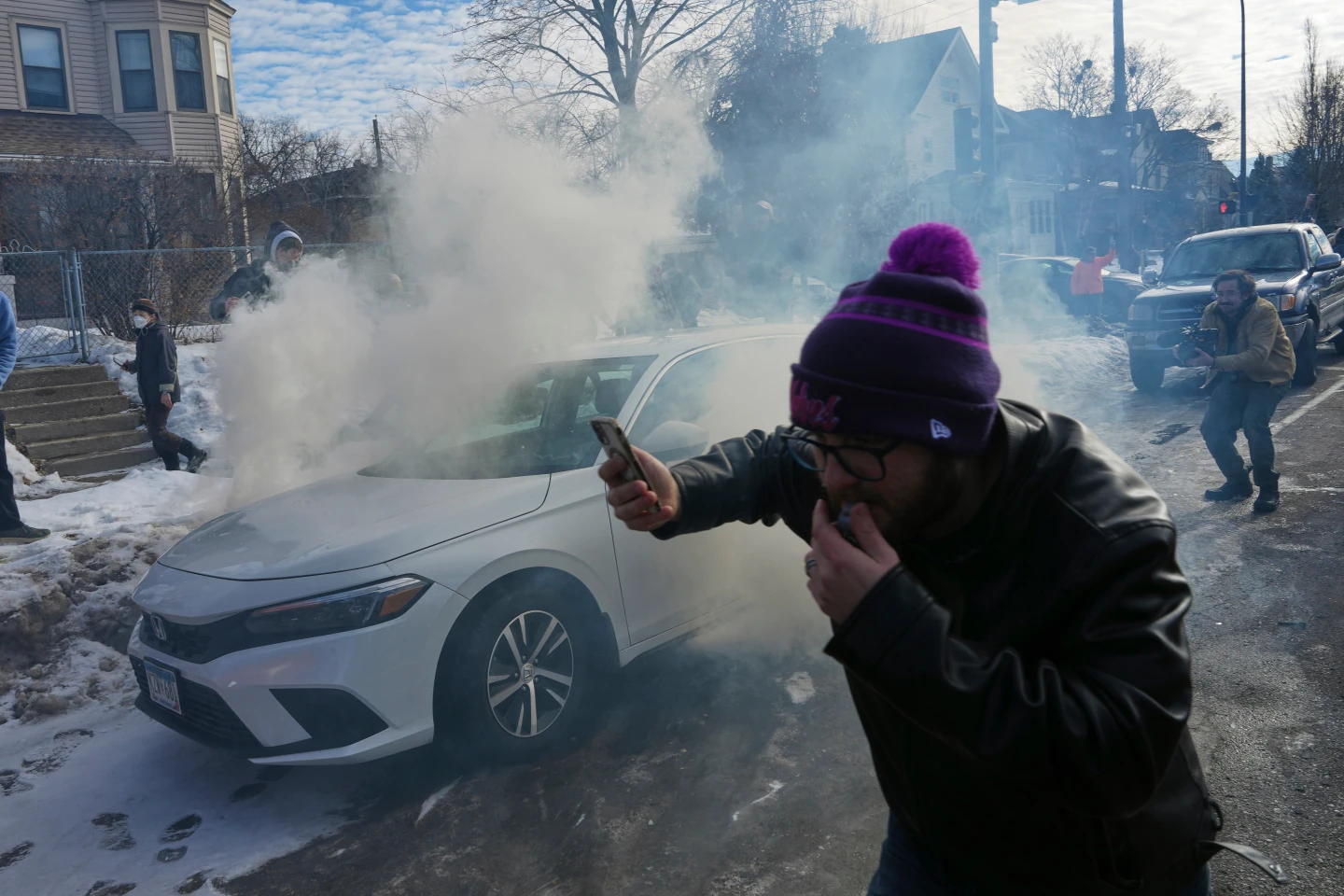
This question has gained new urgency in cities like Minneapolis, where federal agents are operating amidst protests and unrest, increasing scrutiny on the legal authority immigration officers claim when they arrive at a front door.
Most immigration arrests are executed under administrative warrants—internal documents that allow for the arrest of specific individuals but do not permit agents to forcibly enter private homes without consent. In contrast, only judicial warrants issued by judges carry the authority for such actions, raising legal concerns as enforcement actions escalate across the country.
All law enforcement agencies, including Immigration and Customs Enforcement (ICE), must operate within the confines of the Fourth Amendment of the U.S. Constitution, which protects against unreasonable searches and seizures, thereby mandating warrants for searches or arrests on private property.
Immigration warrants don’t typically authorize property entry
The distinction between administrative and judicial warrants is central to immigration enforcement operations. While judicial warrants allow for comprehensive arrest authority—enabling law enforcement to enter both public and private properties—administrative warrants lack this power.
John Sandweg, former ICE acting director, remarked on the rising risk of misapplication of rules as more Border Patrol agents engage in operations traditionally reserved for ICE. This expansion of duties may lead to increased incidents involving unauthorized entries into private property.
Mounting tensions in Minneapolis
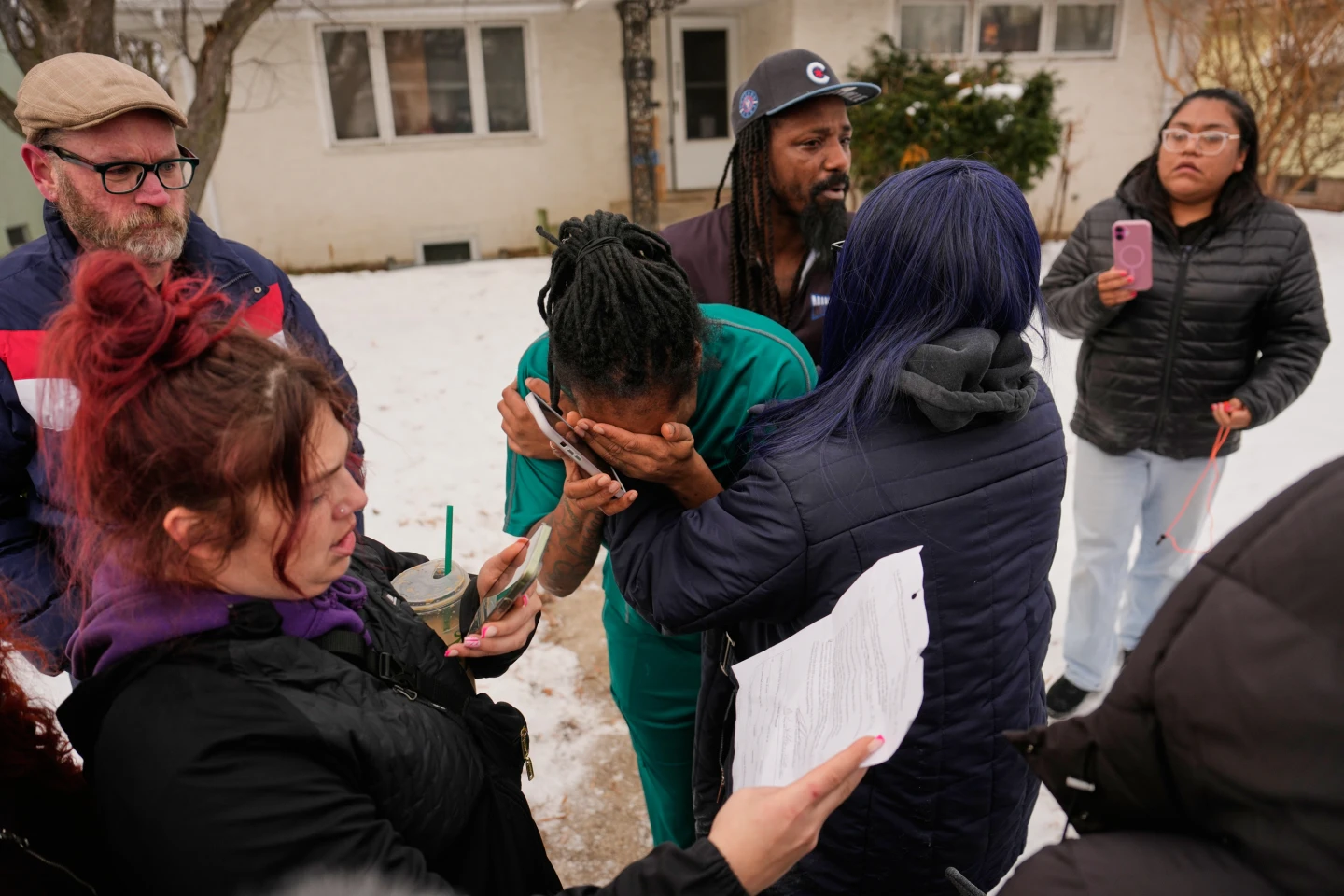
A recent raid in Minneapolis spotlighted the tension surrounding the legal parameters of immigration enforcement when agents, operating under merely an administrative warrant, attempted a forced entry to apprehend a deportee. The lack of a judicial warrant took center stage, as questions lingered regarding the legal justifications for their actions amid public resistance.
Heidi Altman, vice president of policy at the National Immigration Law Center, warned of the potential for serious consequences when officers fail to adhere to legal standards during enforcement actions. She highlighted the complexity of accountability in the current political climate, noting inadequate avenues for redress after unlawful arrests.
The plight of immigrants is compounded by a legal framework that often allows illegally obtained evidence to be used in immigration courts, creating a precarious situation for those affected.
Empowering immigrants through rights education
In response to these challenges, activists and local governments across the U.S. have initiated 'know-your-rights' campaigns aimed at educating citizens on their legal protections during interactions with immigration officers. These initiatives emphasize the importance of immigrants requesting to see a warrant and understanding their rights to refuse entry when approached by federal agents armed only with administrative warrants.