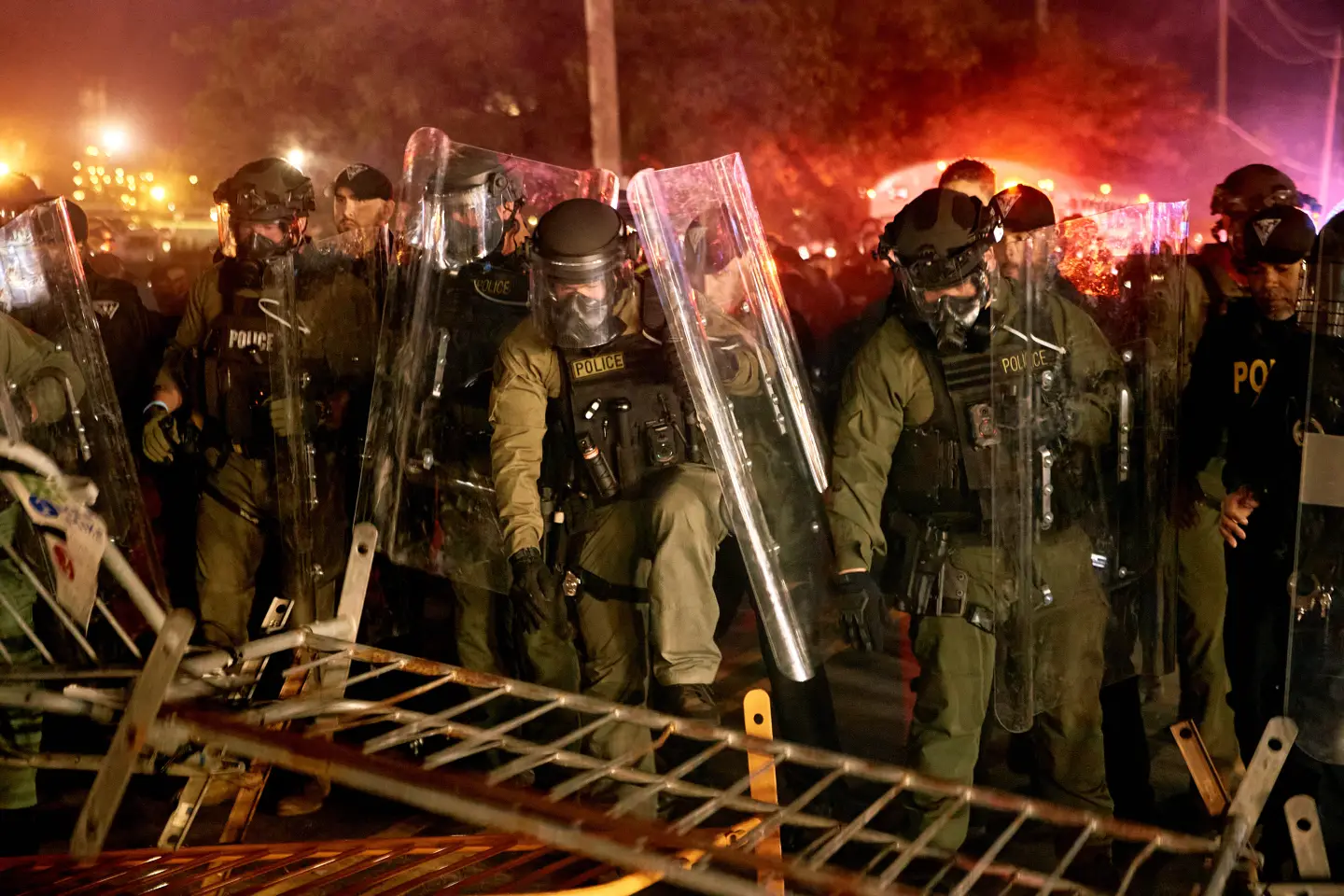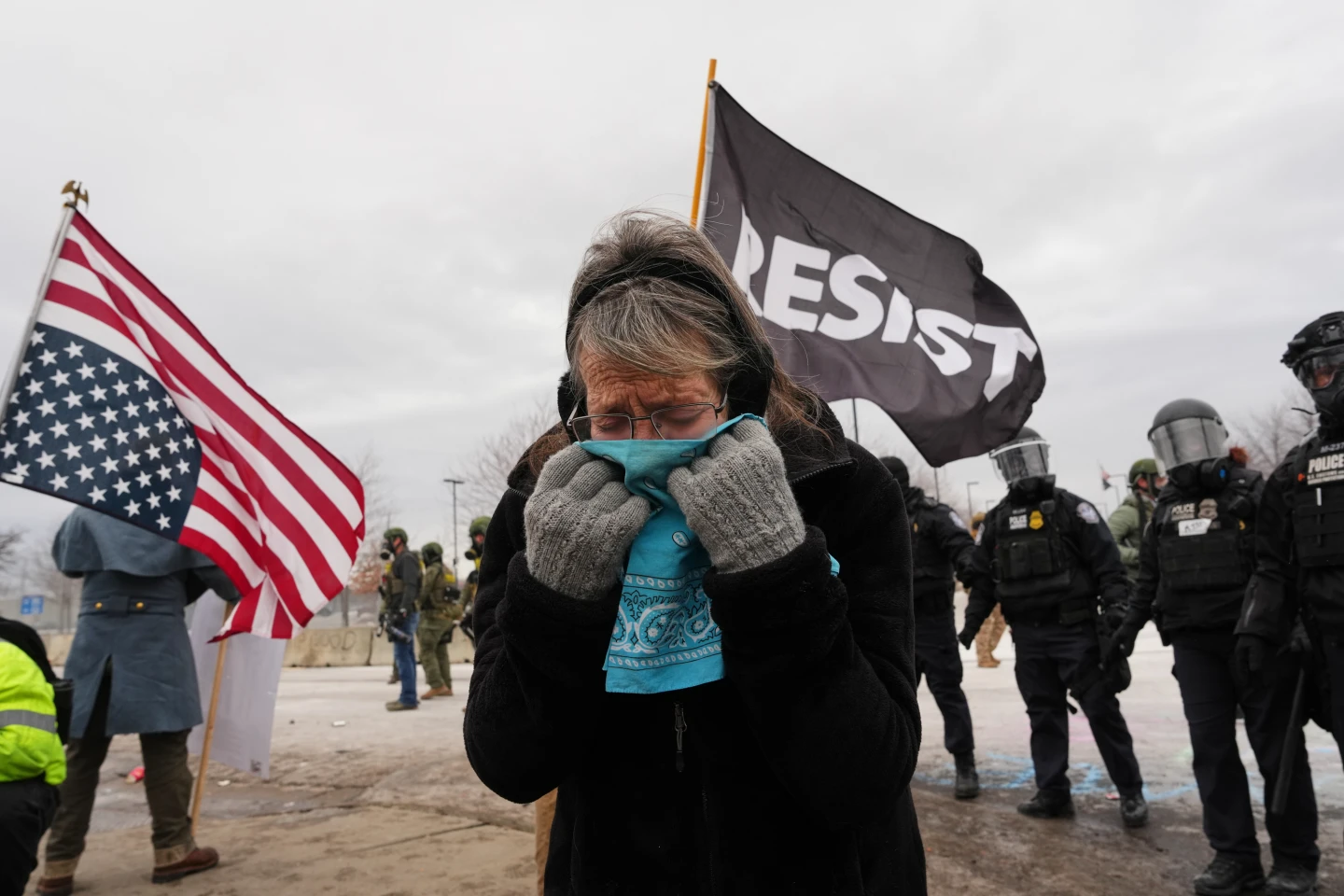
Federal immigration agents deployed to Minneapolis have used aggressive crowd-control tactics — including pointing rifles at demonstrators and deploying chemical irritants early in confrontations — actions the government says are necessary to protect officers from violent attacks. But law enforcement experts warn these measures are escalating risk and being carried out by agents without extensive crowd-management training.
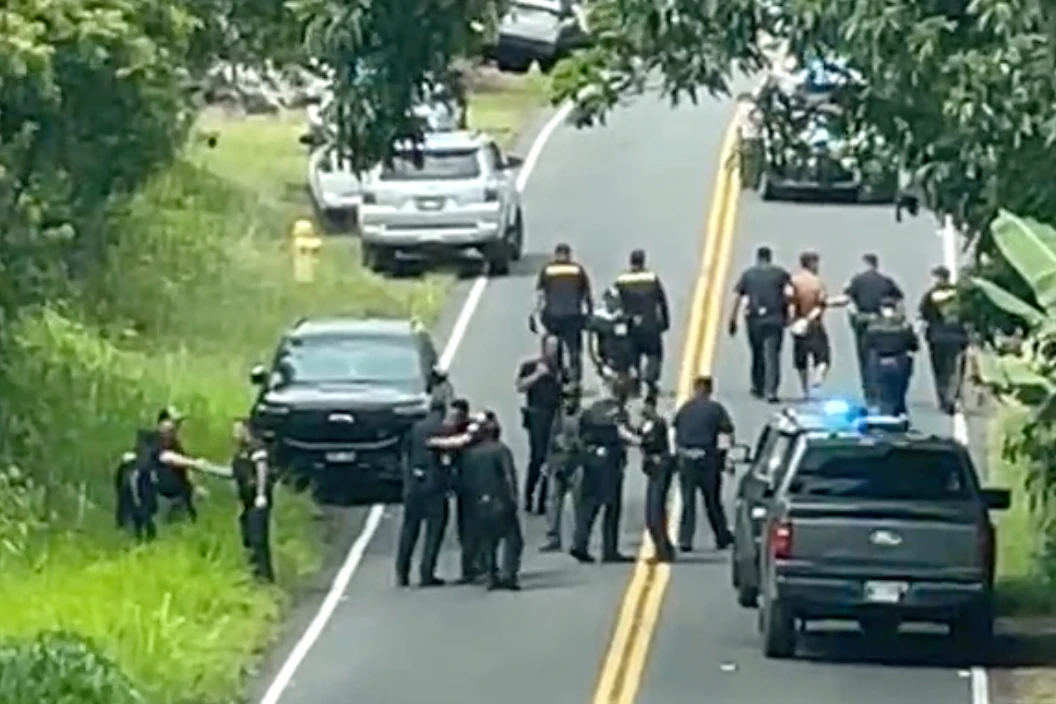
Videos and witness accounts reviewed show federal agents breaking vehicle windows, pulling occupants from cars and deploying chemical agents during close confrontations with protesters. Experts say such tactics, while sometimes justified in targeted arrests, carry heightened risks when used on crowds.
The confrontations have arisen amidst a surge in immigration enforcement ordered by the federal government, which has sent more than 2,000 officers to the Minneapolis-St. Paul area. Many agents involved traditionally perform arrests and deportations, not crowd-control during public demonstrations.
The situation in Minneapolis showcases a shift in federal government tactics during protests, employing immigration agents and investigators in roles typically handled by local law enforcement. Experts caution this approach contradicts de-escalation strategies, risking deadly outcomes in volatile demonstrations.
Tensions surged after the fatal shooting of Renee Good, an incident federal officials claim was self-defense. This incident has intensified public scrutiny regarding the federal response.
On Monday, the ACLU of Minnesota sought a federal injunction to restrain federal agents' actions during protests. The lawsuit demands limitations on the use of chemical agents, the pointing of firearms at non-threatening individuals, and interference with lawful video recording.
Former ICE Director Sarah Saldaña noted that current tactics diverge significantly from traditional immigration procedures, indicating a need for greater adaptability in training. Expert commentary underscores concerns that many ICE agents lack experience in public order management, raising alarms over the potential for violence given the aggressive nature of current crowd control practices.
The need for calibrated responses during protests has never been clearer. Experts advocate for establishing effective communication strategies with demonstrators, stressing the necessity of avoiding actions that escalate situations unnecessarily.