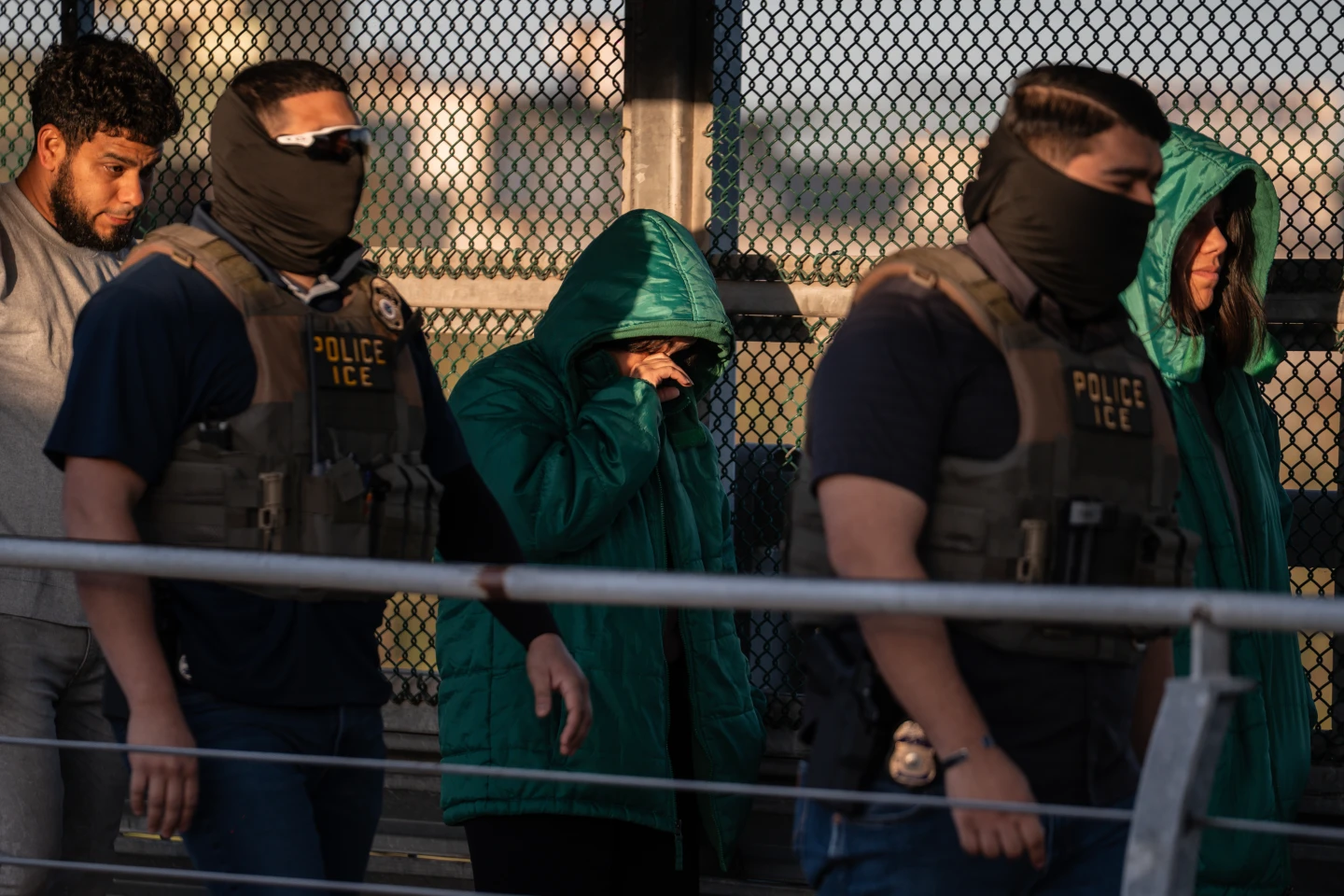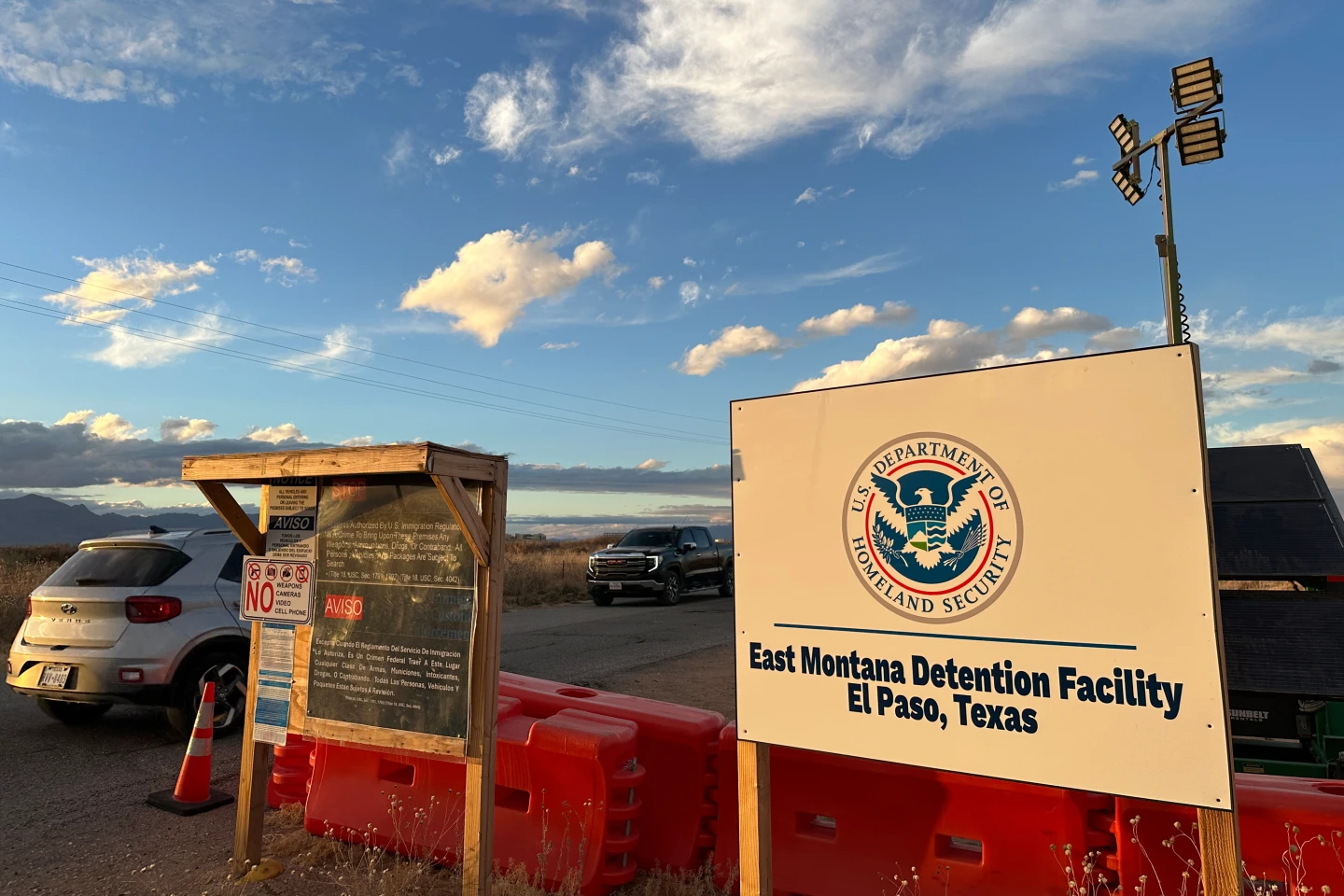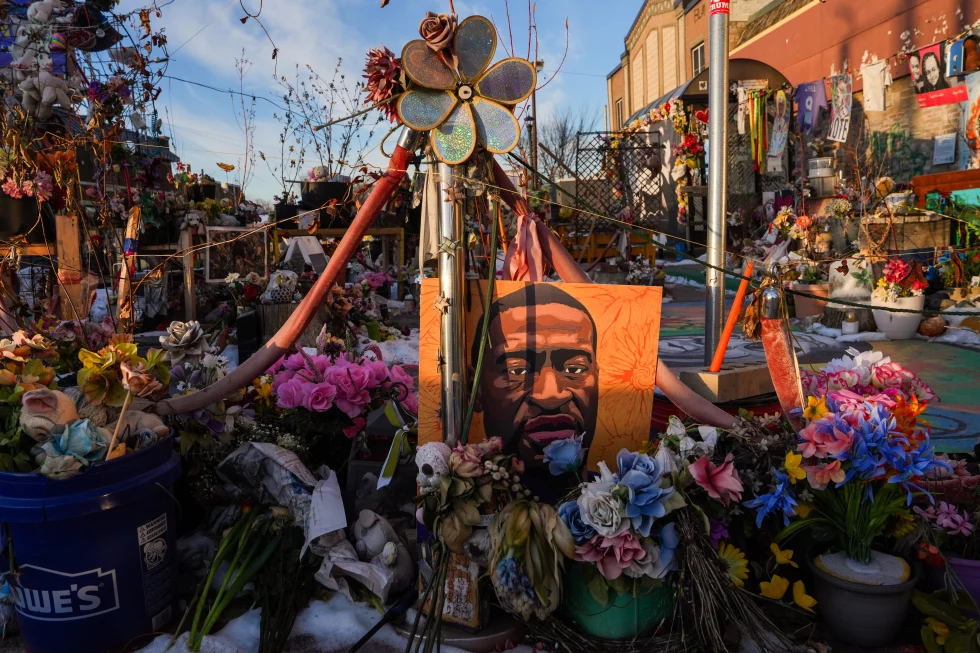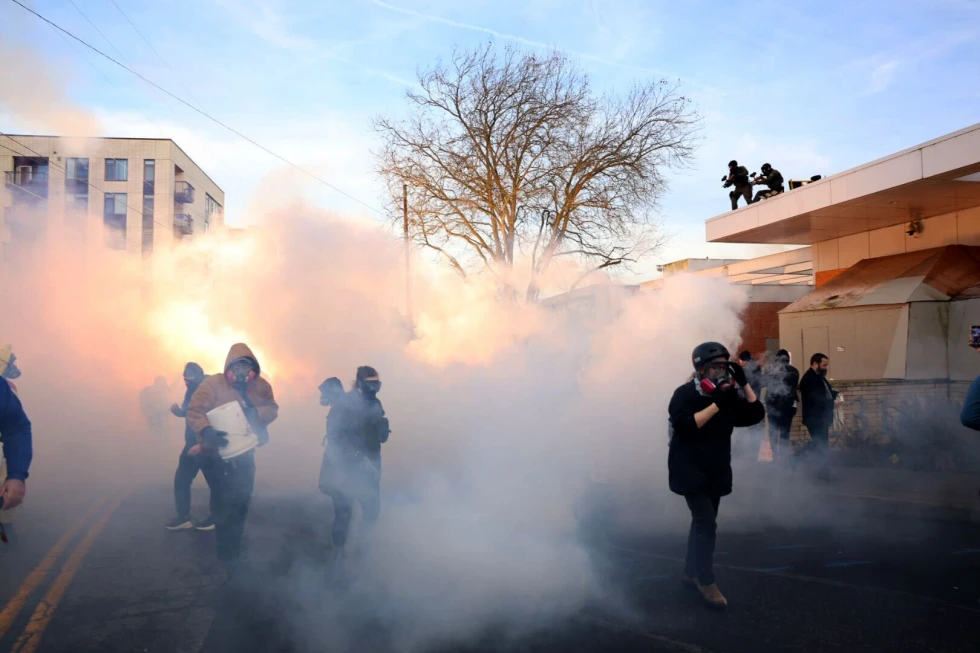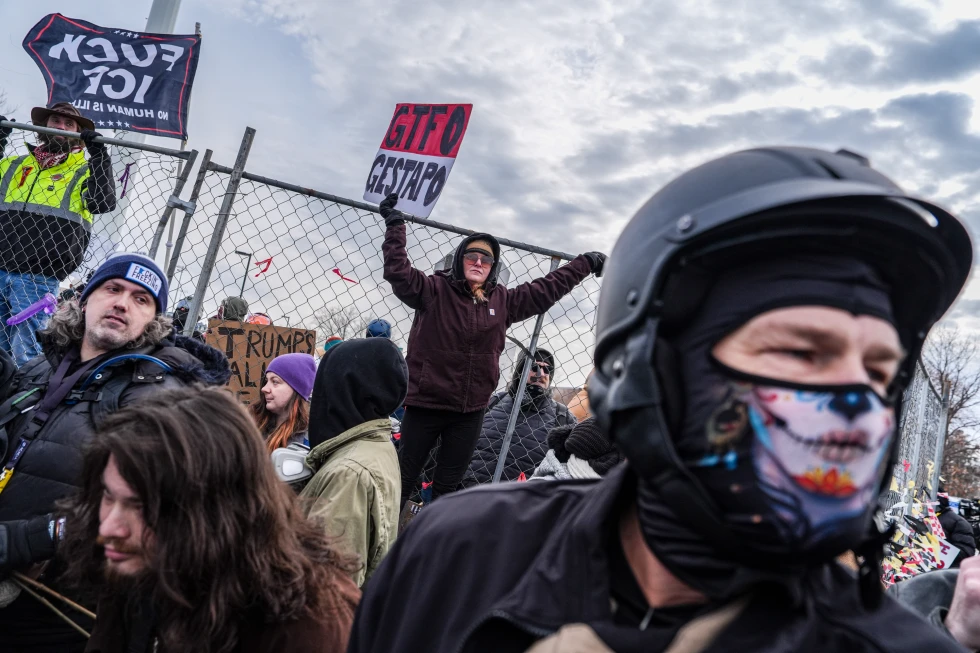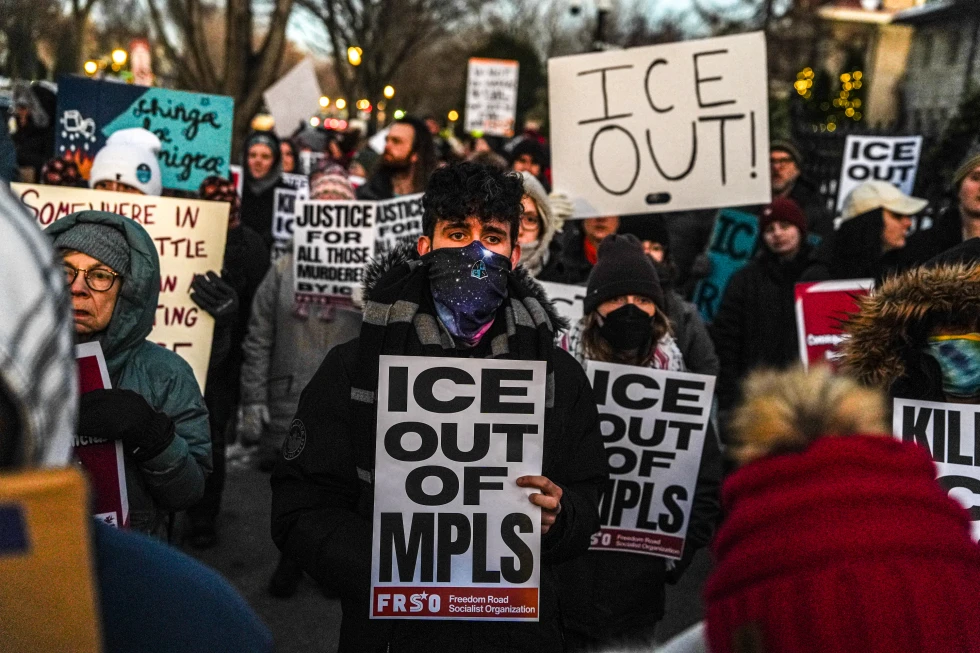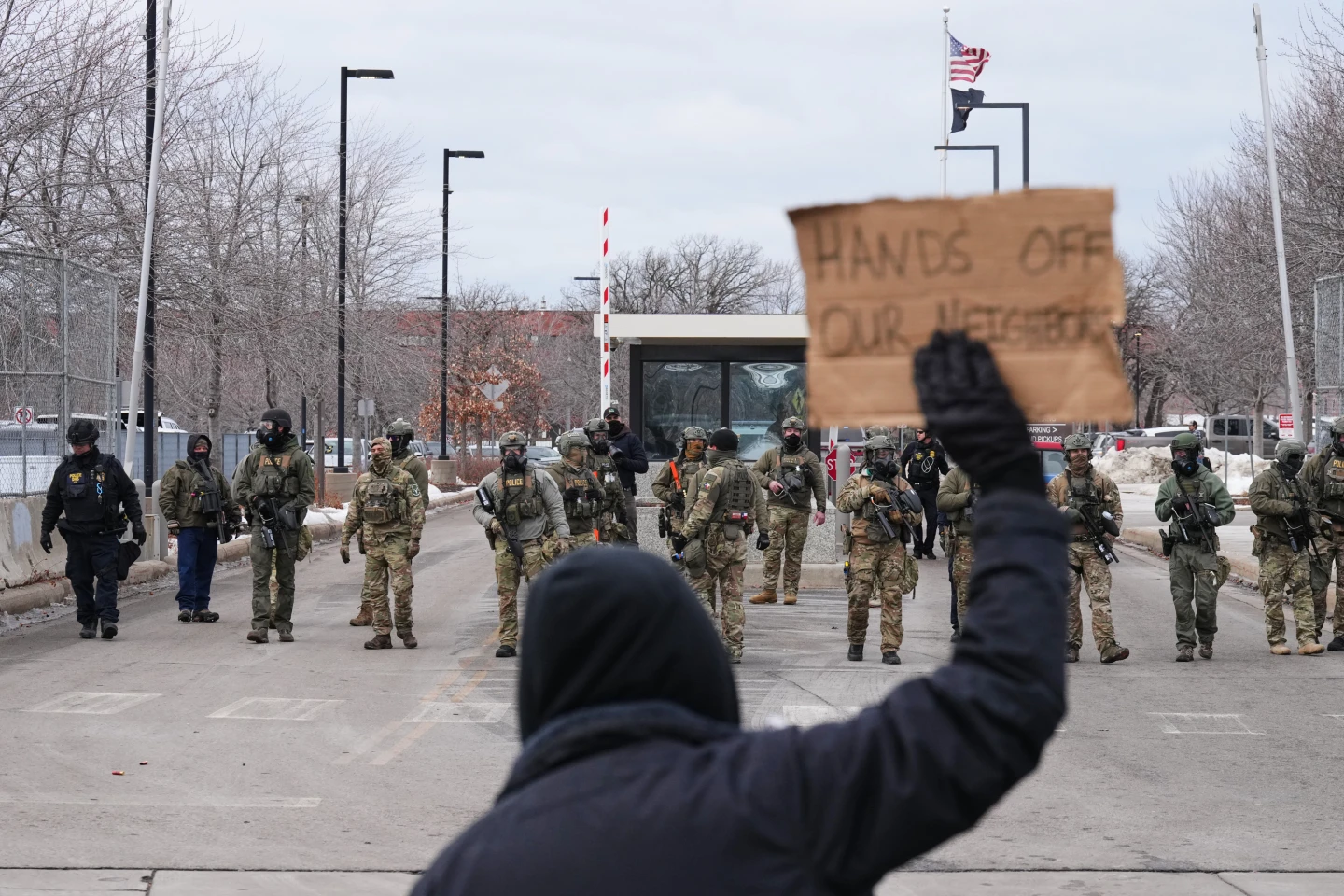
In the wake of violent incidents involving federal immigration officers, Democrats across the United States are rallying to introduce state-level legislation designed to rein in the powers of the Immigration and Customs Enforcement (ICE). Motivated by a tragic shooting in Minneapolis and subsequent injuries in Portland, Oregon, these proposals aim to strengthen community safety and protect residents' rights.
Notably, New York Governor Kathy Hochul has put forward a bill that allows citizens to sue federal officers for alleged violations of constitutional rights, while also prohibiting immigration agents from entering schools, hospitals, and houses of worship without judicial warrants. Similarly, Oregon lawmakers plan to introduce legislation facilitating lawsuits against immigration officers for violations pertaining to unlawful searches.
In New Jersey, the Democratic-led legislature recently passed three bills targeting cooperation between state law enforcement and federal immigration efforts, pending Governor Phil Murphy's signature. This increasing momentum among Democrats for such legislative measures coincides with President Trump's crackdown on immigration enforcement and counter efforts from Republicans, who criticize the focus on restricting ICE's activities.
In California, lawmakers have proposed a ban on law enforcement officials from taking secondary positions with the Department of Homeland Security and making it illegal for ICE officers to conduct arrests near courthouses. Among these movements, some states like Georgia and New Hampshire have also seen similar pushes, though the Republican-controlled legislative bodies have led to limited progress.
The Trump administration has expressed strong opposition to these reforms, filing lawsuits against local governments pursuing 'sanctuary' policies, asserting that they undermine federal immigration laws. Legal experts anticipate that many of these state laws will be challenged in court, raising complex questions about the balance of state and federal authority.
With community safety and civil liberties at the forefront of these legislative efforts, the outcomes of proposed bills are set to shape the future of immigration enforcement and local governance dramatically. As more states join the fight to limit federal powers, the national conversation around immigration and its enforcement continues to evolve.