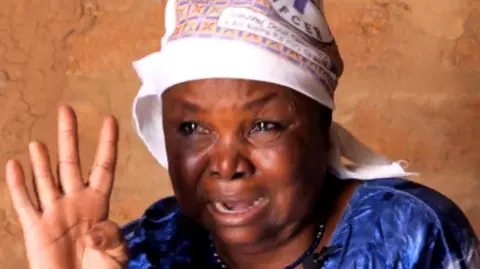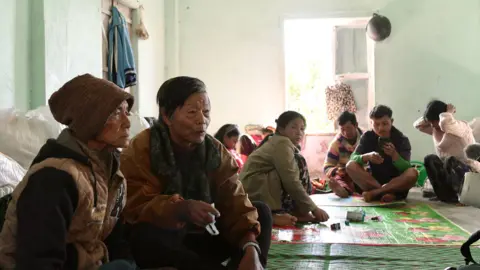
Late one night last month, Iang Za Kim heard explosions in a neighbouring village, followed by the roar of fighter jets overhead. Fearing for her life, Iang fled her home in Chin State, Myanmar, as air strikes from the junta intensified—a common fate for thousands of civilians.
With elections looming on December 28, the situation for those in rebel-controlled areas is dire. The military has ramped up airstrikes as part of a campaign to recapture territory before the polls. Iang, among many, expresses dread not just from the violence but also from the pressure to participate in what many perceive as a sham election—citing threats of imprisonment and torture for those who refuse to vote.
'If we are caught and refuse to vote, they will put us in jail and torture us. We've run away so that we don't have to vote,' she states, her voice trembling with fear.
Witness accounts reveal this military offensive is among the most intense in recent years, with reports indicating civilian casualties and displaced families seeking refuge across the border in India. Activists warn that the military, which has ruled the country since the coup in February 2021, is intent on staging elections devoid of genuine democratic choice.
'This election is being held to prolong military dictatorship. It's not about the people's choice,' says Sui Khar, Vice Chairman of the Chin National Front, a prominent rebel group. As the count of injured fighters mounts, the junta's methods have only intensified, leading to outrage and further resistance among the populace.
With narratives of despair emerging from those displaced, including reports of children being victims of military tactics, the broader implications for democracy in Myanmar remain bleak. Despite their suffering, the voices of those like Iang Za Kim and Ral Uk Thang call for recognition of their plight and a hope for a future where true democracy flourishes.