In brief
A recent heatwave in Delhi saw air temperatures topping 40°C, but a thermal camera from Greenpeace India recorded surface temperatures exceeding 60°C, highlighting how urban surfaces amplify heat. The story follows field trips to an IIT flyover, the Red Fort, and nearby neighbourhoods, showcasing how high surface temperatures create serious health risks for residents, especially those working outdoors. Experts warn that prolonged exposure can lead to heat exhaustion and organ failure, urging measures such as shade, hydration, and policy interventions. The article also presents personal accounts from street vendors and neighbourhood families, emphasizing how heat stress permeates daily life.
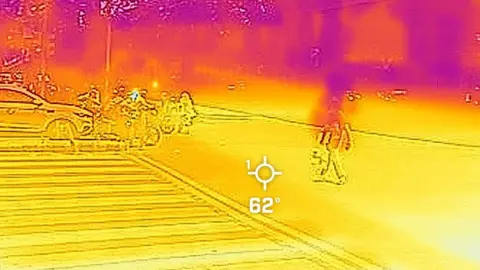
Delhi has been under a fierce heatwave with air temperatures routinely above 40°C. Yet, a thermal camera, deployed by Greenpeace India, recorded surface temperatures of over 60°C in city hotspots, revealing a stark discrepancy between what thermometers show and how hot the environment really feels.
On Tuesday, the Indian Meteorological Department recorded a maximum day temperature of 43.5°C in Delhi. In contrast, the thermal camera at the IIT flyover in south Delhi registered up to 64.0°C on sunny concrete and vehicles, while shaded under the flyover it was 42°C. Moving just ten feet closer to the ground dropped readings to about 39.8°C – a spine‑ticking difference for anyone walking on the roads.
These surface temperatures are higher than the surrounding air because concrete, asphalt and vehicles absorb and re‑radiate heat, creating an “urban heat island.” The extra heat is absorbed by the human body, causing quicker rises in core temperature. Dr. A Fathahudeen warns that when temperatures exceed 40°C the body can’t regulate itself – leading to heat exhaustion, headaches, fatigue, and in severe cases seizures or even organ failure if untreated.
Public health professionals urge simple safeguards: keep hydrated (drink water even when you don’t feel thirsty), wear loose light‑coloured clothing, use an umbrella, and consider timing outdoor work outside peak heat hours. The government should issue advisories for street laborers to avoid outdoor work between 10:30 am and 3 pm.
On the streets, the heat is harder for marginalized people. Sanjana Ben, a dry‑fruit street vendor, found her body’s surface temperature near 40°C, while the ground beneath her picked up to 57°C. She described how even standing up for a few minutes feels impossible, and her body repeatedly ache in the heat. Mohammad Mahfouz Alam, a footwear vendor, noted that the heat rises from the ground up, “there’s no relief day or night.” He stressed how a single shade tree near his stall kept his day bearable – without it, he said, "everything would be over".
In the close‑knit neighbourhood of Sundar Nagri, the thermal camera recorded 42°C outside a two‑room house that had no windows or vents. Indoor temperatures hovered at around 40°C, with a ceiling fan circulating hot air. Captured images show that the heat seeps into homes almost as fiercely as the street, leaving families restless and unable to sleep. Abhishek and his sister Kajal kept a heat register, noting that "this week’s heat changed our daily routines – everyone returns home late and no one is sleeping well".
In sum, the heatwave in Delhi demonstrates the profound mismatch between air temperature metrics and human experience. Surface hot spots in urban settings magnify heat exposure, turning streets into dangerous areas for both pedestrians and street workers. Addressing the problem will require not only lifestyle changes but also systematic interventions such as urban green cover, shade, cooler public spaces, and government‑issued heat advisories.