Urgent Flood Warning System in Nepal's Everest Region Left in Disrepair
An early flood warning system designed to save the lives of thousands of people in the Everest region may no longer be working, Nepalese officials have admitted, after it was allowed to fall into a state of disrepair.
The disclosure came after villagers in the local Sherpa communities told the BBC no inspection of the UN-supported project had been carried out for many years after the dangerous Imja glacial lake was last drained in 2016.
Since then, no maintenance has been undertaken, which means siren towers have been left to rust, while some have had their batteries stolen, according to locals.
Moreover, the satellite data reception transmitting the lake's water level—used to send mobile phone alerts to locals—has been unreliable, officials at Nepal's Department of Hydrology and Meteorology (DHM) told the BBC.
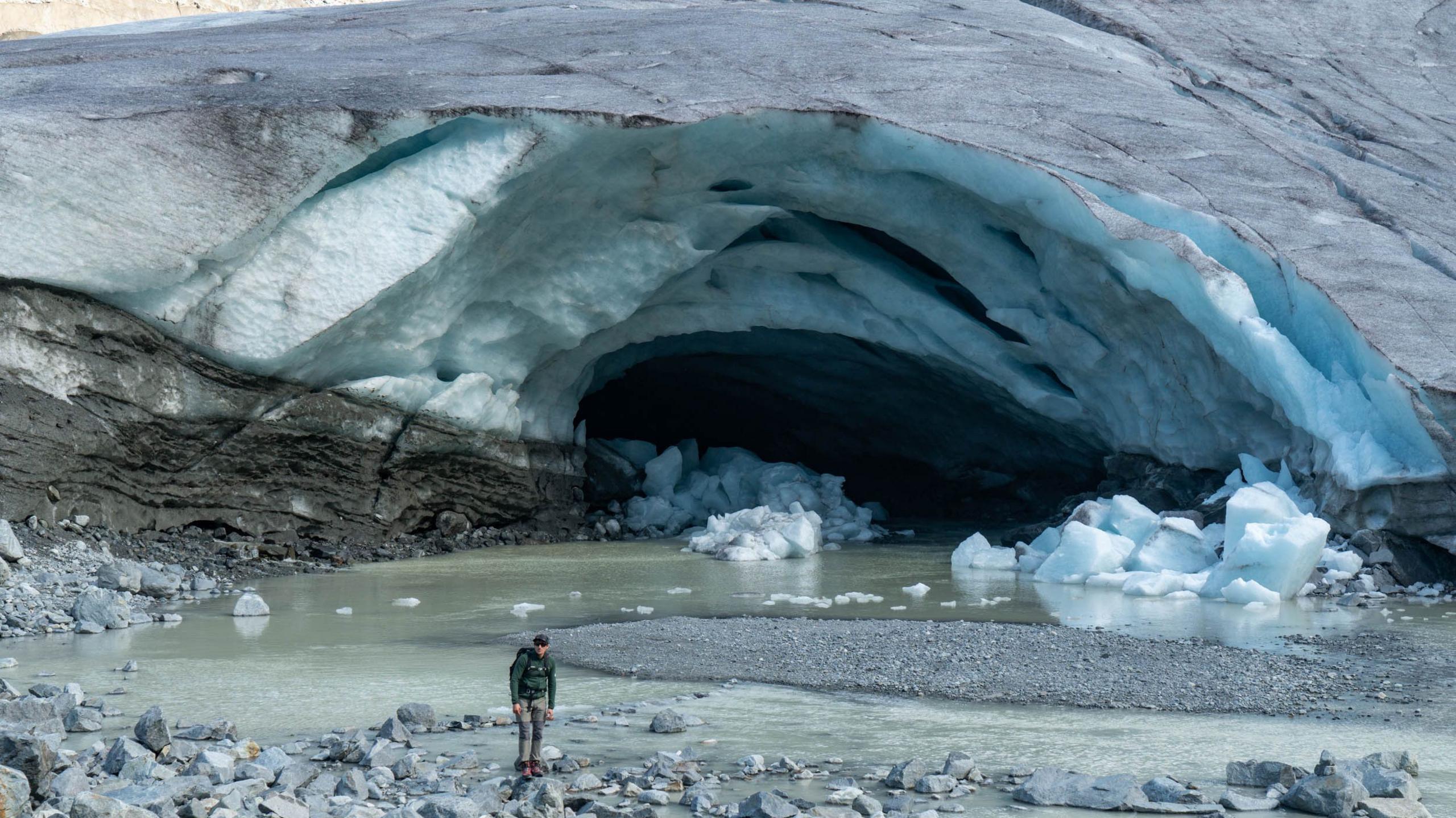
The Imja lake, located at over 5,000m (16,400ft) above sea level, has not burst since it was drained almost a decade ago, at which point it was nearly 150m deep in places.
Experts warn that global warming is causing many Himalayan glacial lakes to expand dangerously, risking catastrophic floods that could sweep away downstream settlements, trekking routes, and bridges.
Despite the imminent risks, maintenance of the flood warning systems is a low priority, with officials acknowledging they have not visited the area as promised. Local activists worry about upcoming tourist seasons and the added vulnerability of tourists and Sherpa communities alike.
Local NGOs and residents are calling for urgent action from both local and national governments, as fears rise that failures in the warning systems jeopardize their lives and properties.
Amid this turmoil, a new grant has been allocated for similar projects in other locations, but the residents of the Everest region continue to express their skepticism about whether any real change will come for their communities.