In brief
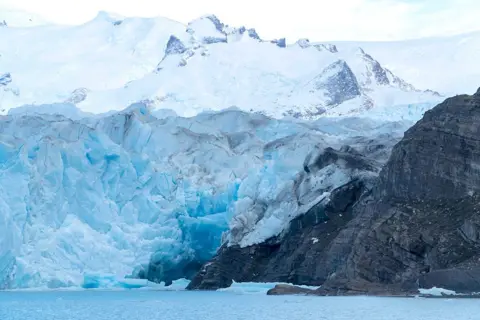
In Argentina, the recent legislative changes reducing protections for glaciers ignite concerns among winemakers and environmentalists alike. The glaciers, which provide vital water for irrigation and daily living, are under threat, prompting widespread protests and debates over economic benefits versus ecological risks. As glaciers melt, the potential consequences for water supply and local economies loom large.
Every drop of water counts: Fear for the future of Argentina's glaciers
Without water, there would be no wine, states Virginia de Valle as she showcases her family's vineyard in Mendoza, Argentina. Freshwater sourced from the Andes is essential for irrigation, especially for Mendoza’s wine industry. However, recent governmental reforms have raised alarms over the future of this vital resource.
Winemakers like de Valle worry that the recent easing of glacier protections puts their water supplies in jeopardy. The glaciers, previously recognized as critical water reserves, play a crucial role in mitigating drought impacts, especially during years with low snowfall. Every drop of water counts, de Valle asserts.
The legislative changes transfer authority over glacier management to provincial governments, which can now determine whether certain glaciers warrant environmental protections or not. Critics argue that this could lead to exploitation for mining and industrial projects, threatening not only wine production but also the water supply for millions across Argentina.
As environmental groups protest and local communities voice their concerns, the delicate balance between economic development and environmental stewardship intensifies. Supporters of the law change, however, argue that it will enhance economic growth through mining opportunities.
The stakes are high as Argentina navigates a path between harnessing its mineral wealth and protecting its invaluable glacier ecosystems. The outcome of this conflict will significantly impact future access to water across a nation already facing environmental challenges.