In brief
The U.S. Environmental Protection Agency's Inspector General has found that roughly 100 of the nation's most contaminated sites are at risk from flooding and wildfires. The report highlighted that communities living near these Superfund sites may face heightened health threats, and plans for their cleanup often fail to address these risks. Experts stress the importance of proactive measures to mitigate potential environmental disasters caused by severe weather.
WASHINGTON (AP) — Roughly 100 of the nation’s most polluted toxic waste sites are situated in areas susceptible to flooding and wildfires, posing a significant health risk to millions of individuals in nearby communities, as per recent findings from the U.S. Environmental Protection Agency's Inspector General.
The EPA’s Office of Inspector General released two new reports assessing the vulnerabilities of 157 federal Superfund sites that have been prioritized for cleanup due to their serious threats to public health and the environment. An estimated 3 million Americans live within a mile of a Superfund site, while 13 million reside within three miles.
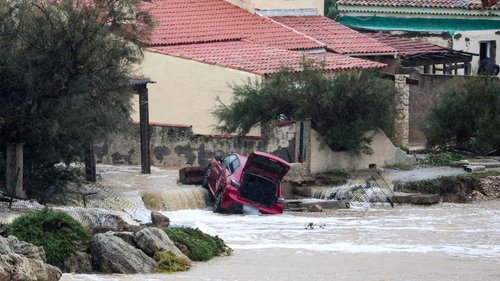
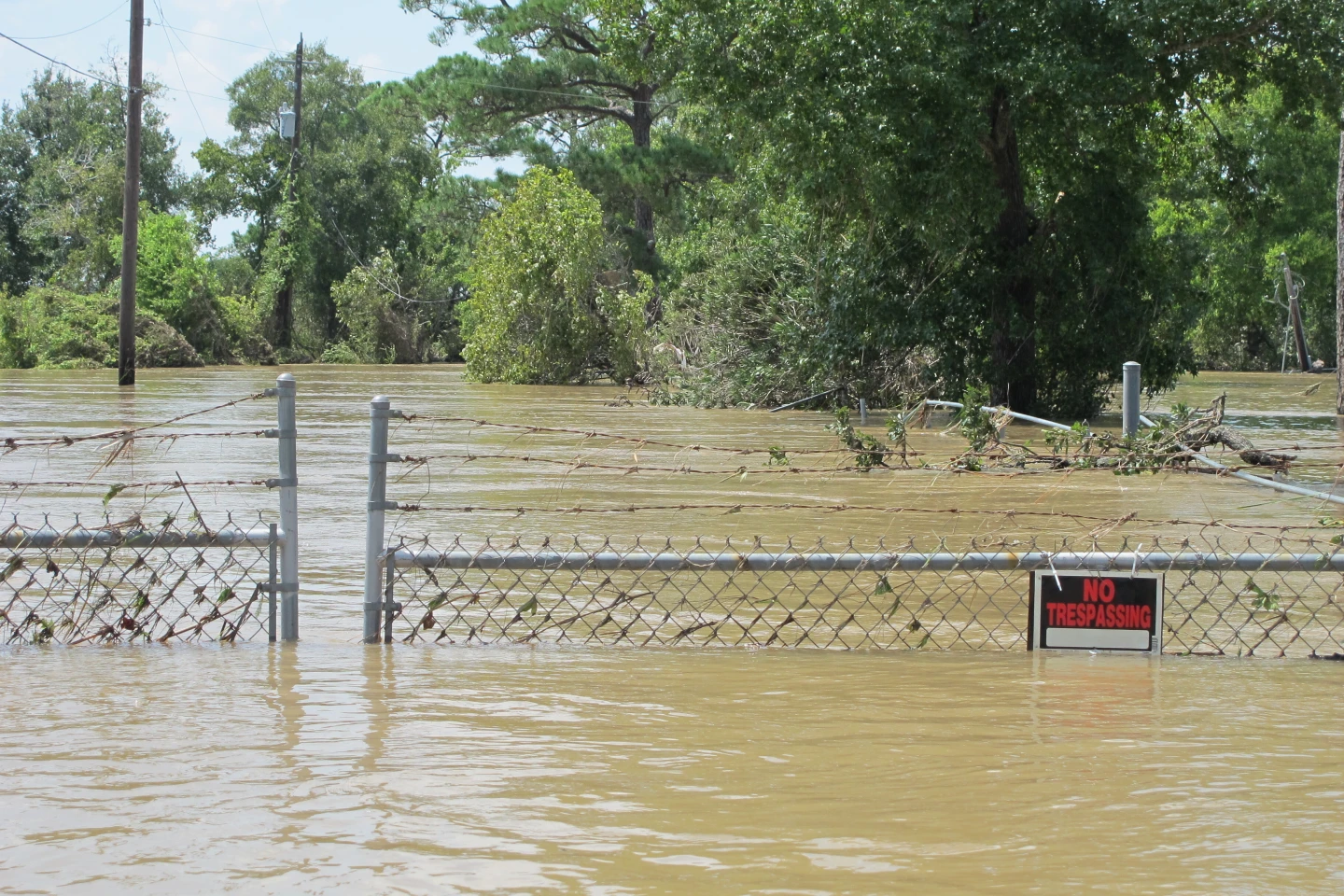
Many of these hazardous sites are threatened by various natural disaster risks. The reports pinpoint 49 sites located in coastal regions at risk of rising sea levels or storm surges due to hurricanes and another 47 facing the threat of inland flooding from heavy rains. Additionally, 31 sites lie in areas highly susceptible to wildfires.
Efforts at remediation for these contaminated locations can be significantly hindered if they do not adequately factor in the risks posed by climate change and extreme weather patterns, a fact emphasized by experts who note the necessity for durable mitigation strategies.
Betsy Southerland, a former director at the EPA’s water protection division, pointed out, That is a big problem because it means the site managers are not planning mitigation measures. She suggests communities near these sites should demand robust planning to ensure their safety.
The potential for contaminants to flood into local environments could negate taxpayer dollars spent on cleanup efforts, as identified in the review.
The EPA is currently examining the IG’s findings, claiming that managing extreme weather events is an integral aspect of planning and executing cleanup projects.
In light of the findings, experts reiterate the urgency to address climate change, which continues to threaten these vulnerable areas with severe environmental hazards.