In brief
Des Moines faces alarming levels of nitrate pollution during an unusually warm winter, forcing costly filtration measures and highlighting the impact of climate change on agriculture. Experts warn that rising temperatures are increasing the frequency of winter pollution events, jeopardizing water safety across rural communities already struggling with high costs for treatment.
When pollution levels rise in the rivers supplying Iowa’s capital, Des Moines, with drinking water, the city incurs additional costs of roughly $16,000 every day to filter out hazardous nitrates. This issue is exacerbated by climate change, particularly as warmer winters impact agricultural practices across the state.
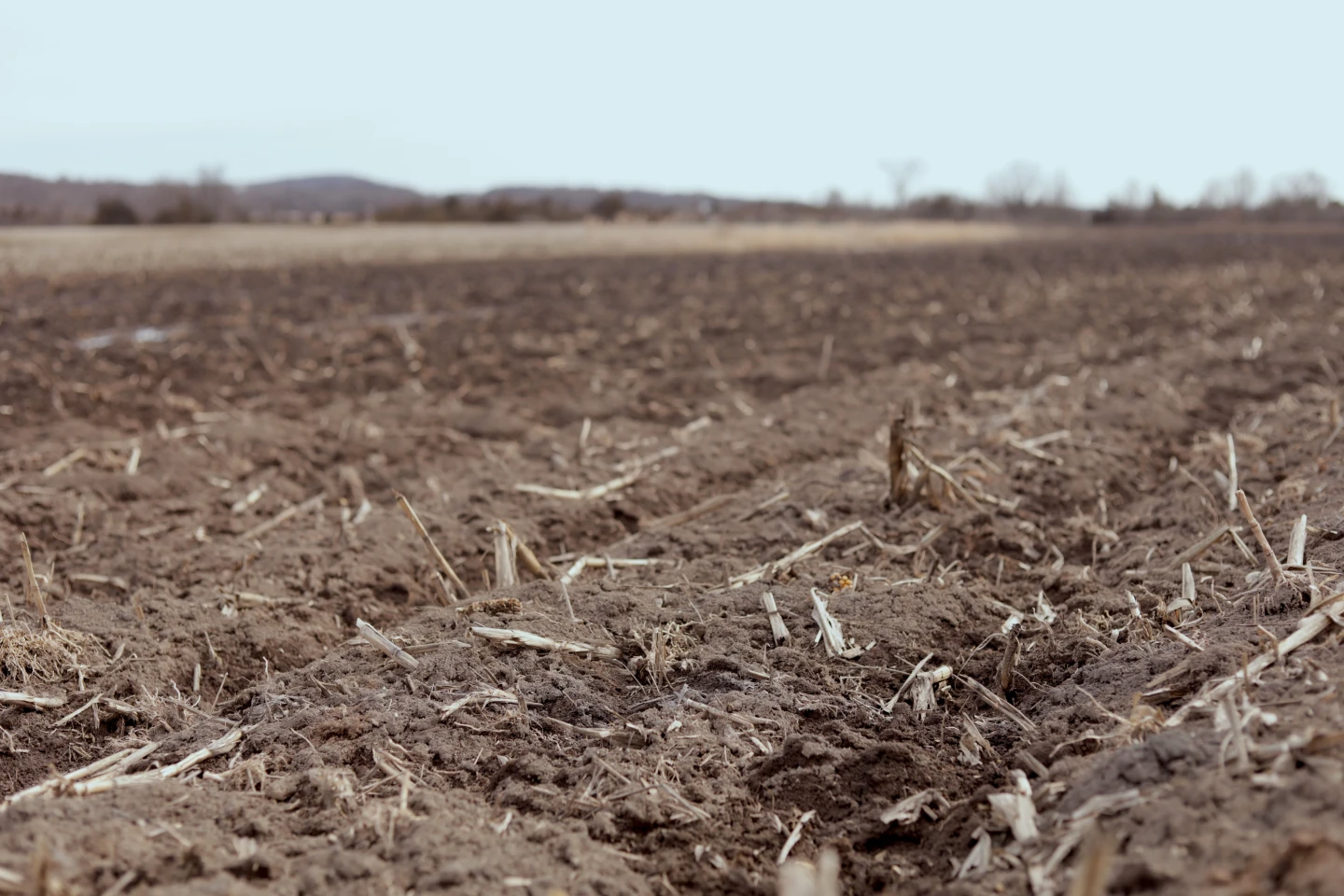
The nitrates, primarily derived from fertilizers and pesticides used in farming, have started to infiltrate waterways during seasons typically not affected by pollution. This winter marks only the second time in over three decades that the capital city has initiated filtration in January and February, with worries growing that residential water bills will spike as municipalities try to adapt buckling under increasing costs.
State climatologist Justin Glisan warns that the conditions that led to winter nitrate pollution this year are becoming more frequent, indicating that climate-induced changes in weather patterns are likely to continue causing these issues.
Why warmer winters lead to more water pollution
Increased heavy rainfall during warm winters leads to fast melting snow, resulting in a rapid flow of nutrients like nitrogen into waterways. As scientists analyze the implications of these changes, there is a growing concern that funding is disproportionately directed at reactive measures rather than proactive solutions in maintaining natural ecosystems.
This trend places significant pressure on local communities. Many low-income regions rely on private wells that can easily become polluted with nitrates if proper filtration and monitoring are lacking. Over 15% of the U.S. population depends on drinking water derived from private wells, making the nitrate crisis a crucial public health concern.
Despite some regions having infrastructure to manage water contaminants, many remain vulnerable as states like Iowa face friction from agricultural lobbying against stronger regulations that could mitigate nitrate runoff from farms.
Urgent Action Needed
Iowa's situation is not unique, with other states also grappling with similar challenges amidst calls to curb pollution from agricultural practices. The Des Moines Water Works is advocating for upstream polluters to assume responsibility for cleaning their runoff, presenting residents with two possible paths: invest in conservational practices or incur significant costs for filtration technologies.
Ultimately, state-level policies and support for sustainable practices must enhance resiliency to climate impacts and safeguard drinking water for all communities.