In brief
Kaktovik, Alaska, home to breathtaking views of polar bears, is looking to restart its polar bear tourism industry following the pandemic halt and federal regulations. Local leaders emphasize the importance of sustainable practices to protect both the bears and the community's way of life, aiming for a limited yet enriching experience for tourists.
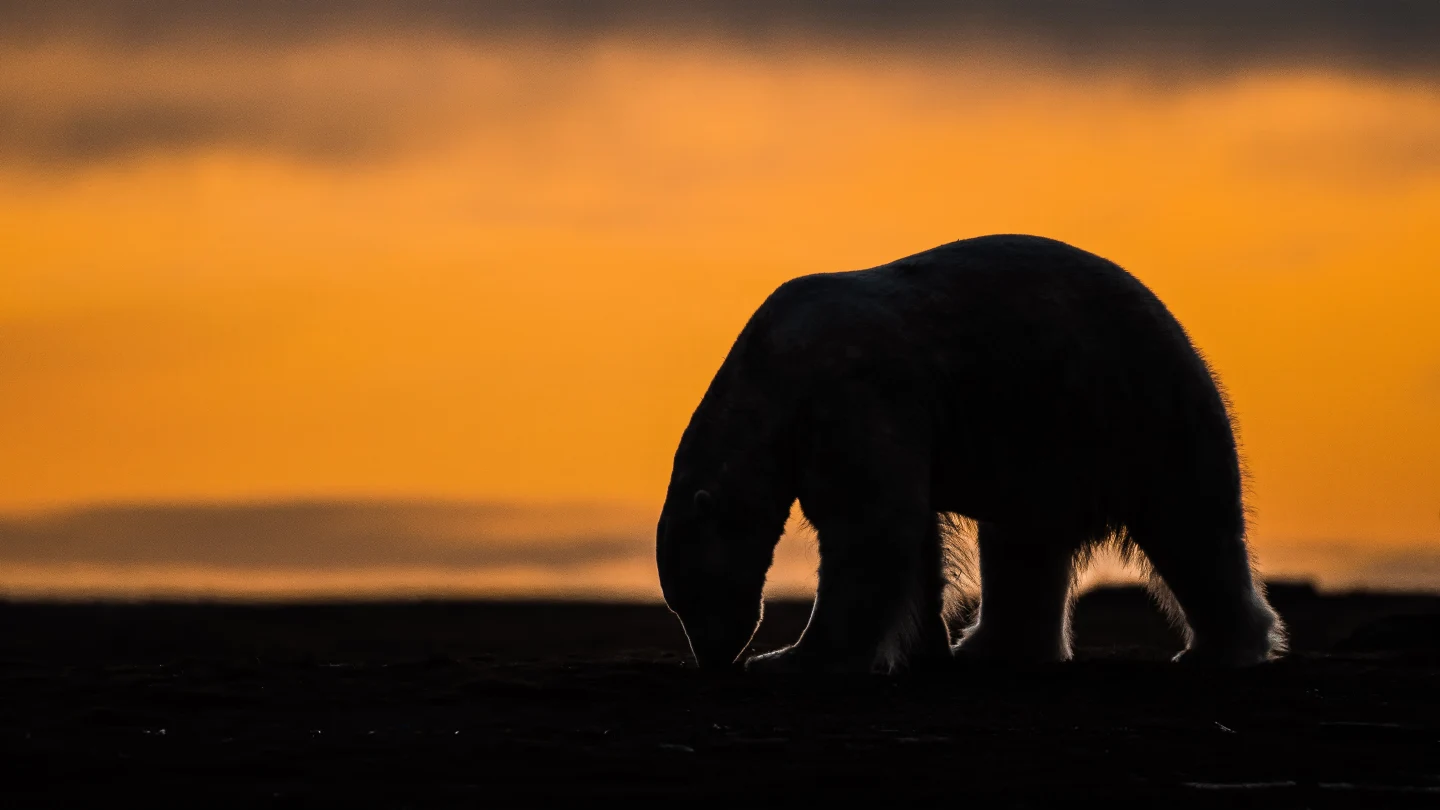
In Kaktovik, Alaska, a community nestled on the edge of the Arctic Circle, the return of polar bear tourism is on the horizon as local leaders work to establish sustainable practices. Each summer, polar bears congregate near this Alaskan Native village to feast on whale carcasses, drawing tourists eager to witness this spectacle.
Previously, this phenomenon attracted over 1,000 visitors annually, referred to as 'last chance tourism' due to concerns about climate change threatening the habitat of polar bears. However, the COVID-19 pandemic and a federal ban on boat tours during the pandemic have posed significant challenges for Kaktovik.
With the local economy suffering from the absence of tourism, leaders like Charles Lampe, president of the Kaktovik Inupiat Corp, are advocating for a revival. “We definitely see the benefit for tourism,” Lampe states, while emphasizing that operations must align with preserving the unique culture and environment of the village.
In recent years, influxes of tourists had overwhelmed the small village of around 250 residents, prompting concerns regarding safety and wildlife encounters. Federal regulations limiting permits for operations pushed out smaller, local businesses in favor of larger entities, deeply affecting the livelihood of residents.
Recent discussions are taking place with the U.S. Fish and Wildlife Service regarding future opportunities for tourism that prioritize community involvement and environmental protection. Proposed changes include shortening the duration boats can linger near the bears and emphasizing respectful engagement with local customs to avoid overwhelming the community and the wildlife.
As Kaktovik seeks to redefine its tourism strategy, local voices emphasize education and respect for both the bears and the indigenous way of life, hoping to cultivate a lasting relationship with visitors.