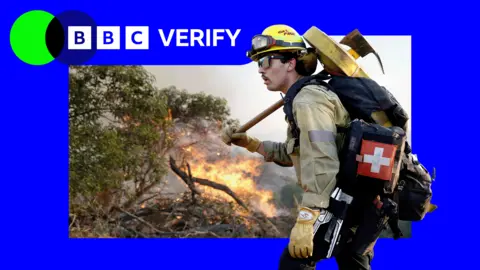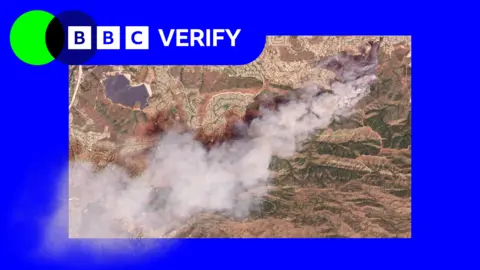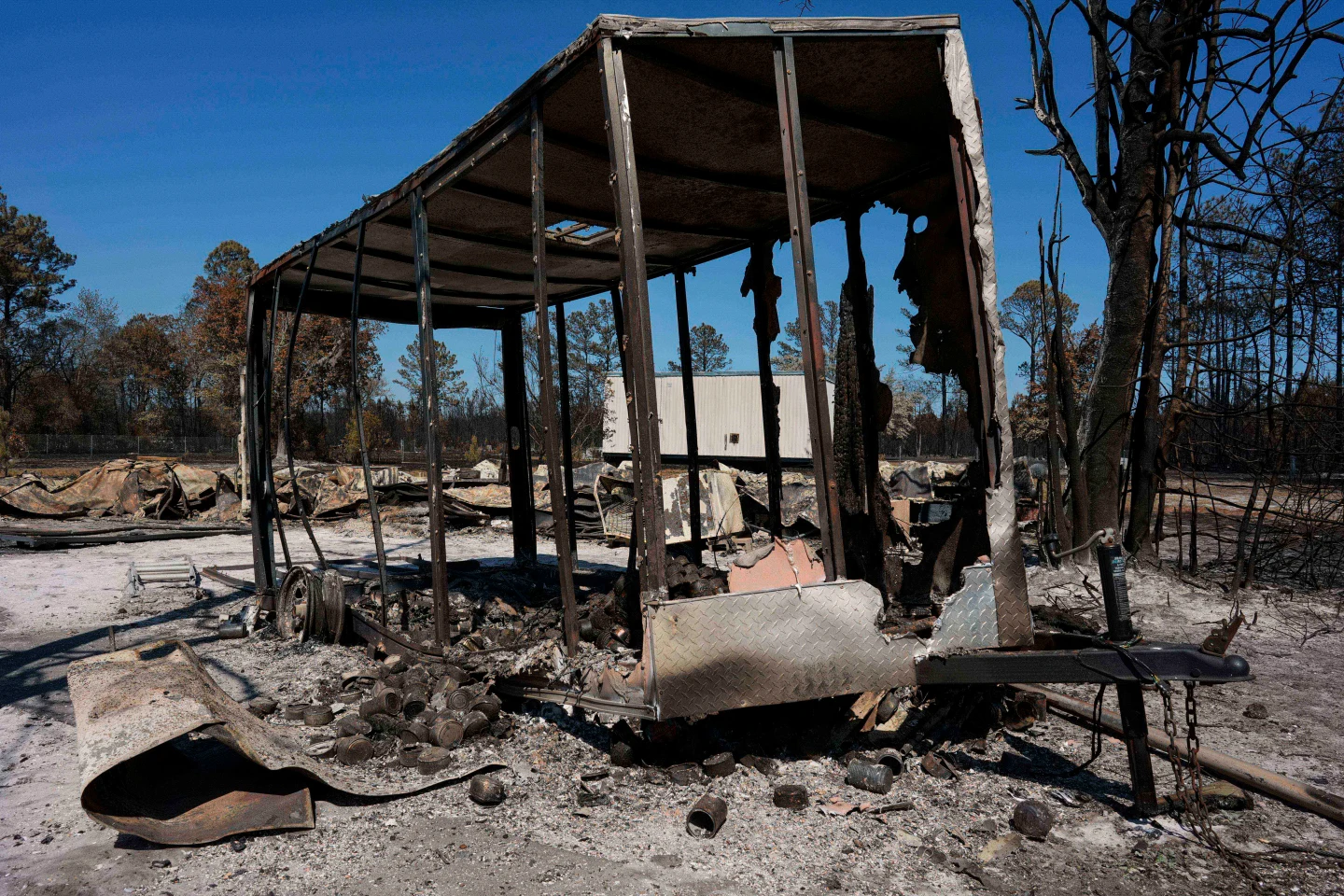
Once thought to be predominantly a problem for the West, wildfires are increasingly impacting the Eastern United States, as demonstrated by a recent blaze in Georgia that destroyed more than 50 homes, according to fire scientists.
Contributing factors include climate change, which has caused the vegetation to dry out and become more flammable, an ongoing drought, and significant amounts of dead trees resulting from Hurricane Helene. Furthermore, densely forested areas in close proximity to urban developments heighten the risk of intense wildfires.
This year alone, the U.S. has experienced severe wildfires, with evidence indicating 2,802 square miles burned — a shocking 88% increase compared to the 10-year average for this period. The fires have been particularly intense in Nebraska, an area traditionally less affected by such events, amidst record warm weather and a drought in March and April.
Fire scientist Mike Flannigan of Thompson Rivers University in Canada says, 'The warmer we get, the more fire we see.' As the fire seasons lengthen, he warns that more significant incidents can be expected in the East.
According to a 2023 study from the University of Florida, the number of large fires, their likelihood, and the land burned has all escalated across the Southeast since 1984. Although fires in the East tend to be smaller than in the West, the increasing trend, along with growing population density in fire-prone areas, necessitates immediate action.
New networks to better understand fire dynamics in Eastern fire zones are being established to address the unique challenges presented. The high density of people and development in these regions vastly increases the potential for disaster.
Environmental conditions exacerbated by climate change, including drought and reduced humidity, further intensify the wildfire threat in the East, prompting experts to label the aftermath of Hurricane Helene as a 'ticking time bomb,' with millions of dead trees providing ample fuel for future blazes.
As the situation unfolds, scientists emphasize the critical need for proactive measures to avert growing risks associated with wildfires in urbanized settings.