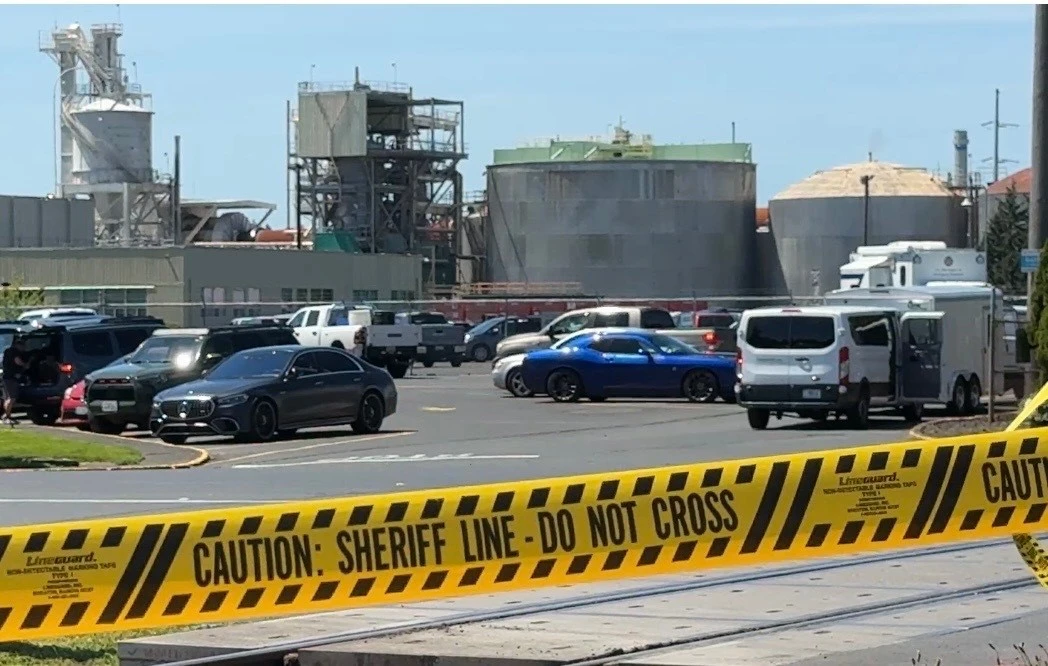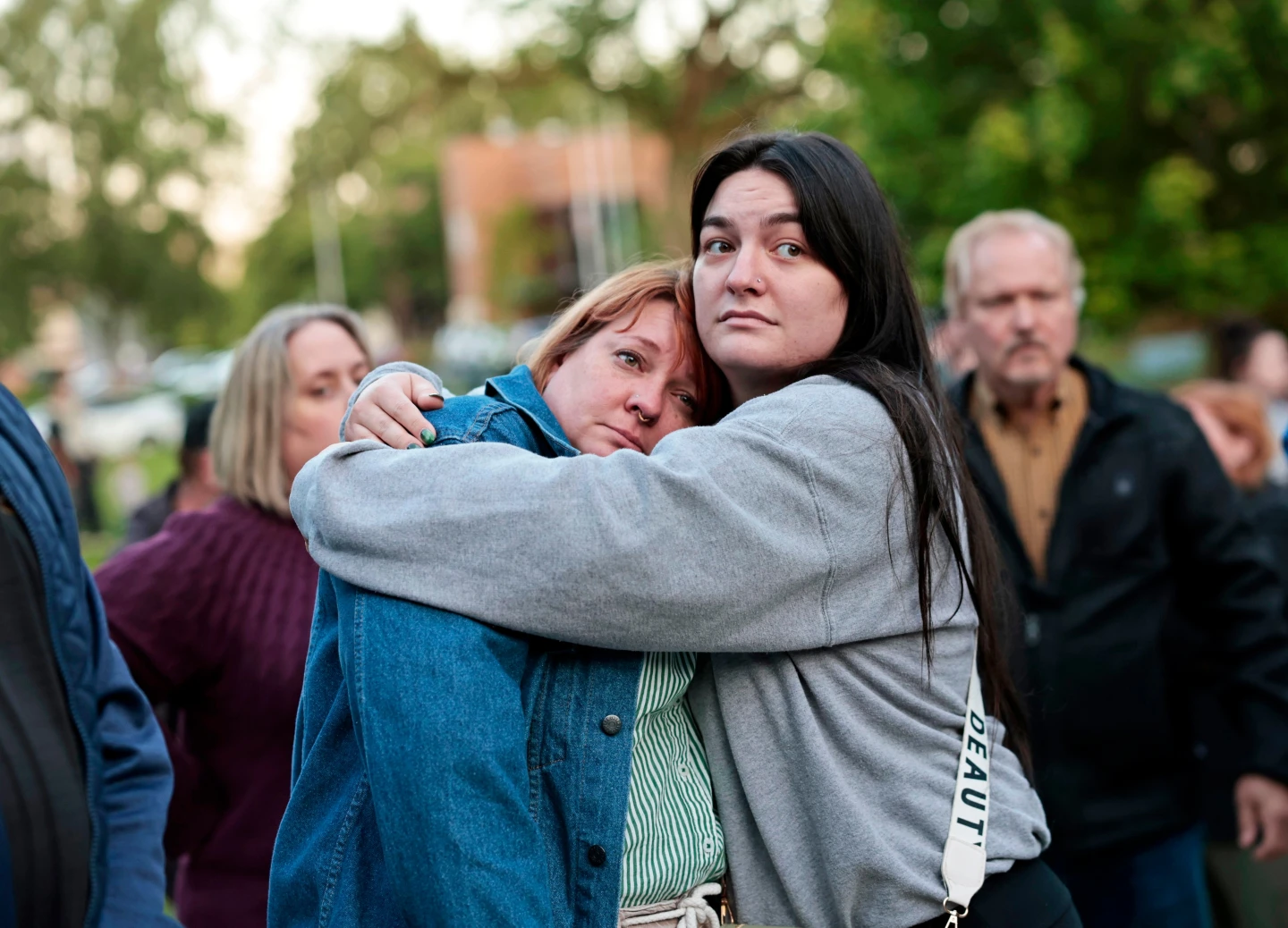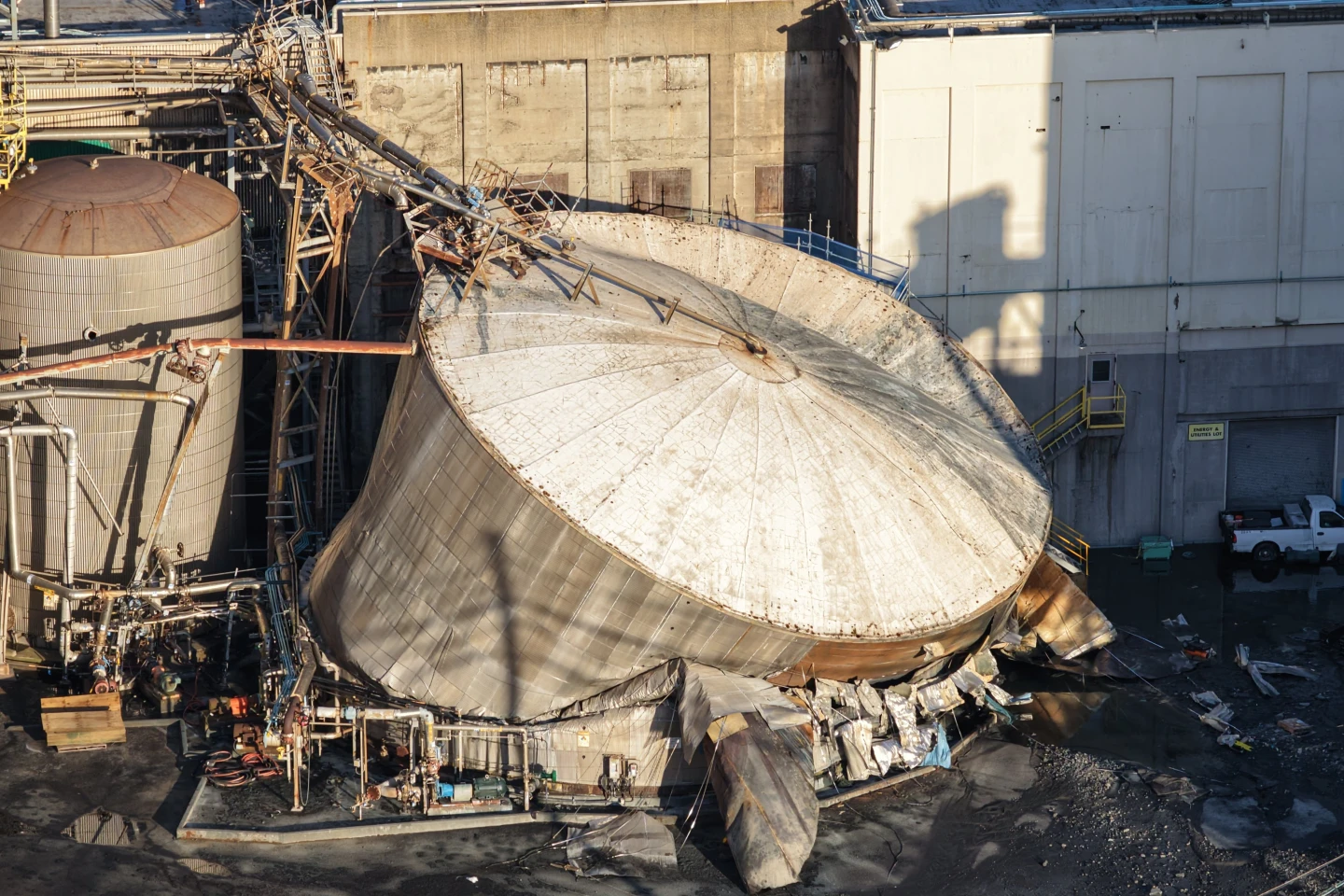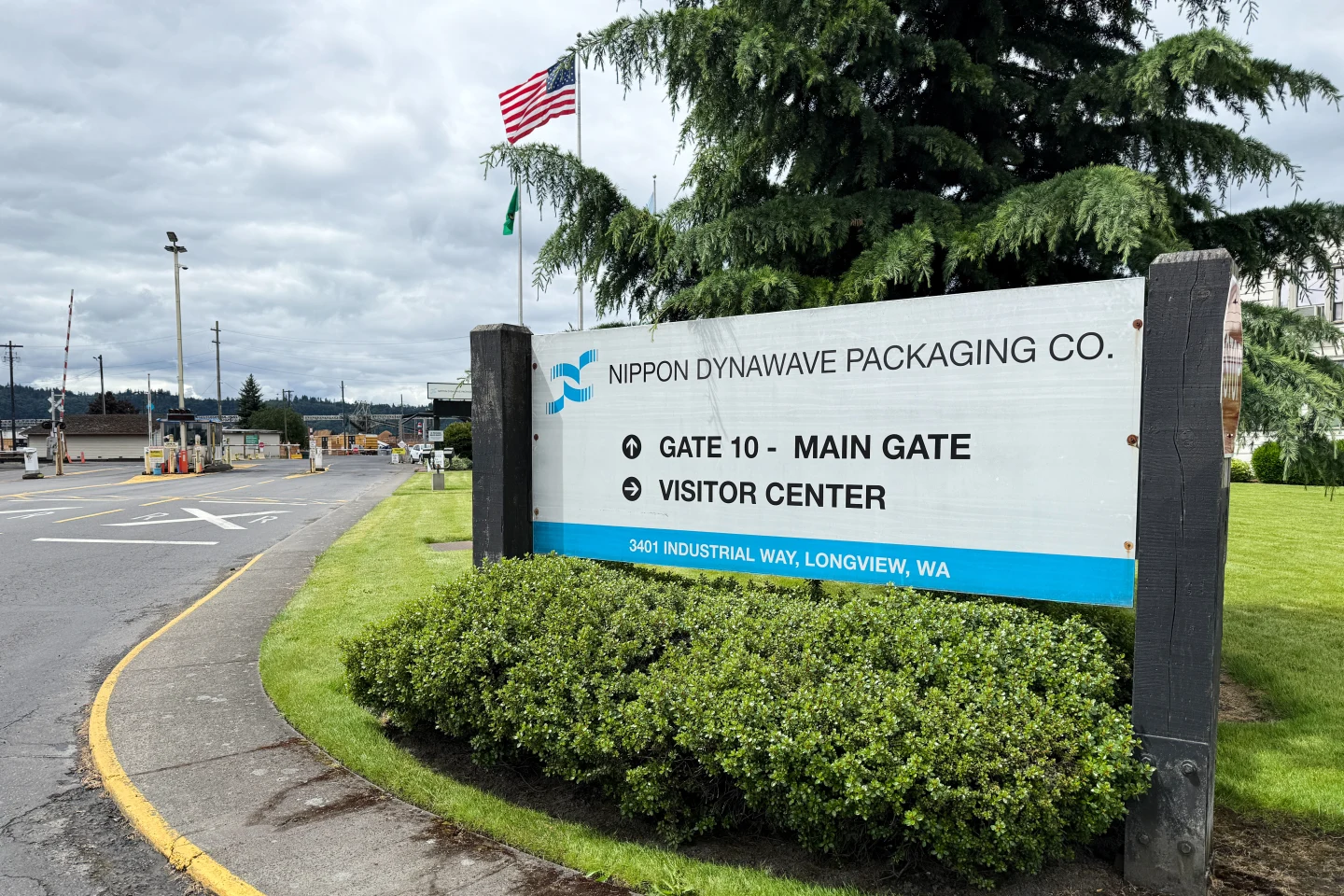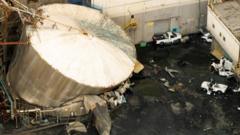
In the early hours of Tuesday, a blast ripped through the Nippon Dynawave Packaging plant in Longview, Washington, a 130‑mile‑south suburb of Seattle. The explosion, caused by a rupture of a tank filled with “white liquor” – an alkaline mixture of sodium hydroxide and sodium sulfide used in paper production – left at least one fatality and nine people missing, according to local authorities.
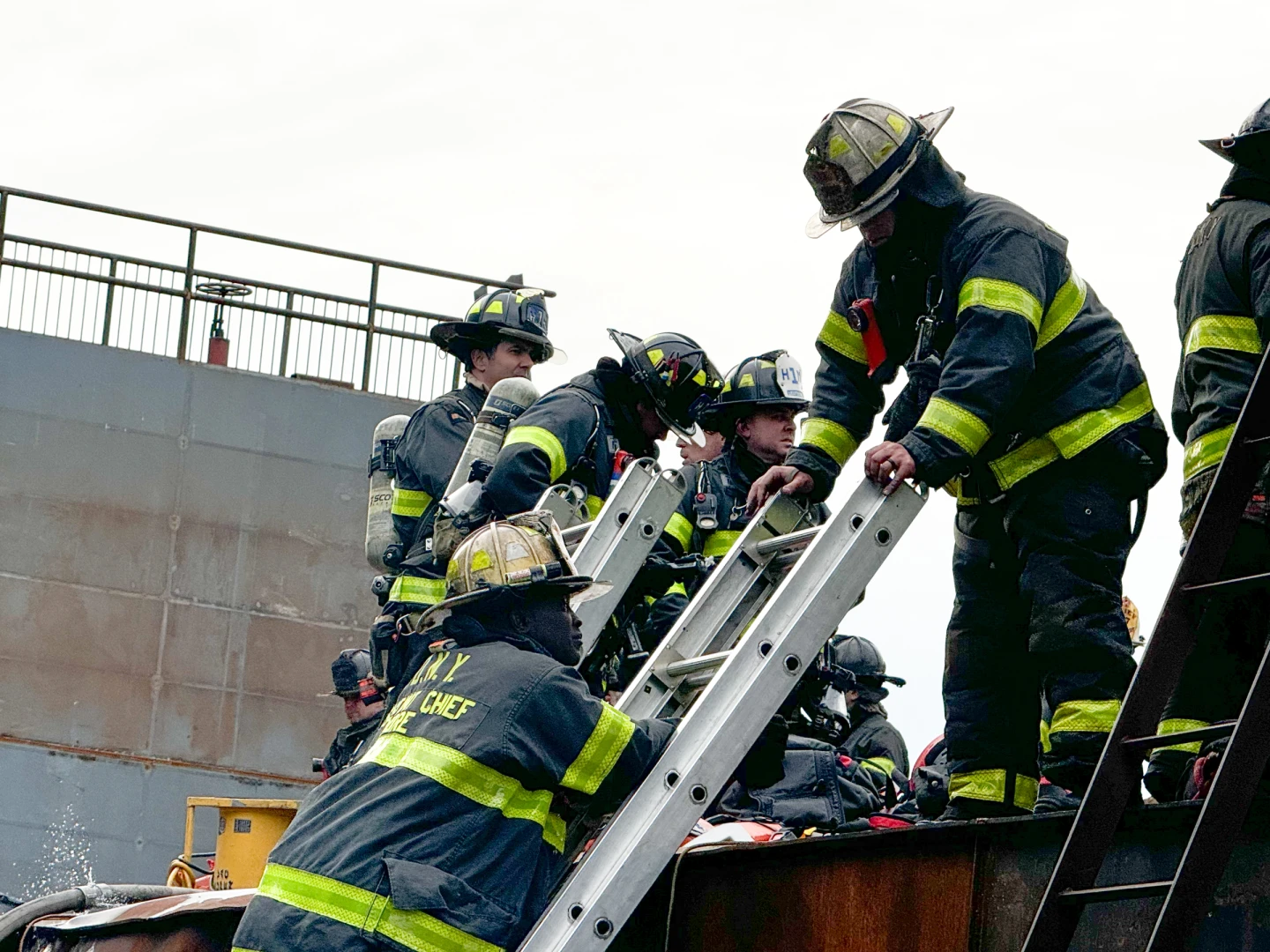
The Longview Fire Department reported that ten people were injured in the incident, including eight plant workers and a firefighter, and that the remaining injuries range from critical to minor. A spokesperson said the burn and inhalation injuries are “severe to critical” and that responders are still operating in hazardous conditions.
The tank involved is reportedly unstable and contains an estimated 900,000 gallons of white liquor, a figure that vastly exceeds the 80,000 gallons initially believed to be present. Approximately 90,000 gallons may still be contained within the damaged vessel, the department added, complicating cleanup and the broader recovery effort.
Governor Bob Ferguson’s office has called for state ecological teams to help with site assessments, while the Longview Fire Department has issued a public safety statement urging people to remain away from the plant. No evacuation order has been issued, and officials say the site does not pose a risk to surrounding communities.
This disaster echoes prior incidents involving the same plant – a major fire in July 2023 that burned for days – and highlights the hazardous nature of the chemicals used in the paper‑making industry.
White liquor is a highly caustic substance; in the event of a spill or rupture, it can cause severe chemical burns and respiratory damage. The plant’s production lines include tissues, printer paper, cups, plates, and cartons, employing around a thousand workers.
Emergency responders are working to reinforce the damaged tank and secure the area before a more thorough recovery operation can commence. The folk of Longview and Washington’s environmental agencies continue to monitor the situation closely.
The series of incidents at the Nippon Dynawave site underscores the critical need for robust safety protocols in chemical handling within industrial settings. It also serves as a reminder of the potential chain reaction of incidents – such as the recent chemical tank scare in California – that can affect thousands when procedures fail.
}
The Longview Fire Department reported that ten people were injured in the incident, including eight plant workers and a firefighter, and that the remaining injuries range from critical to minor. A spokesperson said the burn and inhalation injuries are “severe to critical” and that responders are still operating in hazardous conditions.
The tank involved is reportedly unstable and contains an estimated 900,000 gallons of white liquor, a figure that vastly exceeds the 80,000 gallons initially believed to be present. Approximately 90,000 gallons may still be contained within the damaged vessel, the department added, complicating cleanup and the broader recovery effort.
Governor Bob Ferguson’s office has called for state ecological teams to help with site assessments, while the Longview Fire Department has issued a public safety statement urging people to remain away from the plant. No evacuation order has been issued, and officials say the site does not pose a risk to surrounding communities.
This disaster echoes prior incidents involving the same plant – a major fire in July 2023 that burned for days – and highlights the hazardous nature of the chemicals used in the paper‑making industry.
White liquor is a highly caustic substance; in the event of a spill or rupture, it can cause severe chemical burns and respiratory damage. The plant’s production lines include tissues, printer paper, cups, plates, and cartons, employing around a thousand workers.
Emergency responders are working to reinforce the damaged tank and secure the area before a more thorough recovery operation can commence. The folk of Longview and Washington’s environmental agencies continue to monitor the situation closely.
The series of incidents at the Nippon Dynawave site underscores the critical need for robust safety protocols in chemical handling within industrial settings. It also serves as a reminder of the potential chain reaction of incidents – such as the recent chemical tank scare in California – that can affect thousands when procedures fail.
}