In brief
Police and fire crews rushed to a 60‑percent full chemical tank at a Longview pulp mill that dumped highly corrosive white liquor into the surrounding area. The implosion resulted in at least ten injuries, numerous casualties, and widespread evacuation across Southern California for a separate tank leak at an aerospace facility. Officials remain uncertain about the cause but are prioritizing safety and containment. The incident underscores the hazards of large‑volume chemical storage in industrial facilities, prompting urgent investigation by state and local agencies.
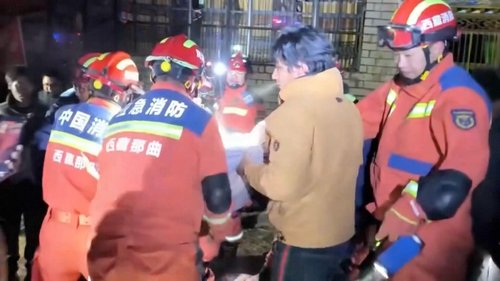
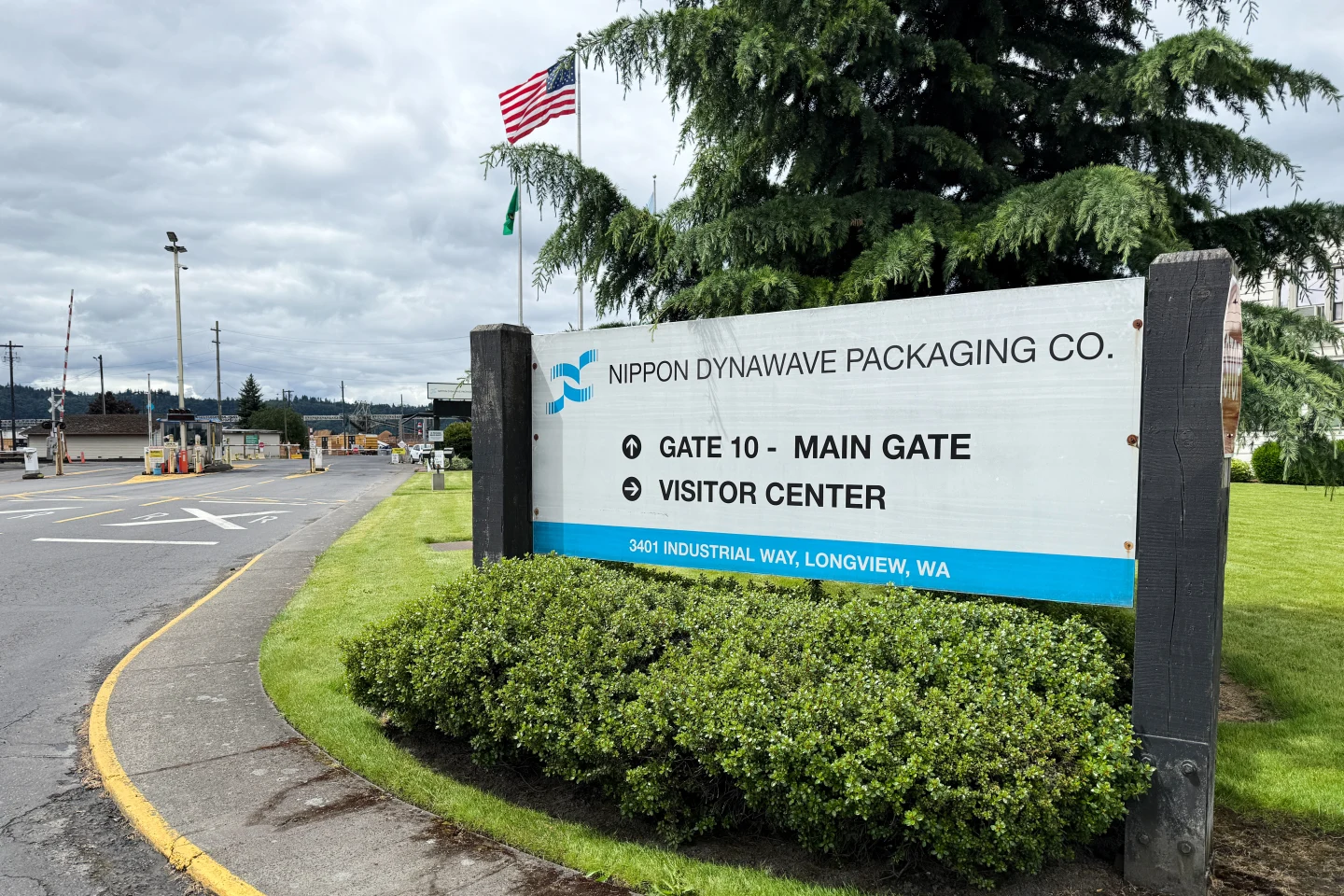
Longview, Washington – When the massive 80,000‑gallon tank at the Nippon Dynawave Packaging Co. plant quietly began to rumble at 7:15 a.m. Tuesday, it was only the beginning of a day of horror. The tank, which was about 60% full, contained white liquor – a caustic mixture of sodium hydroxide and sodium sulfide – used for breaking down wood in the kraft paper production process. The tank failed in a catastrophic implosion, sending a spray of the toxic chemical into a drainage ditch and surrounding the building.Emergency services were dispatched within minutes. About 40 firefighters and paramedics, joined by a regional hazmat team, were on the scene when the compound burst. A firefighter was among those injured, suffering burns and inhalation of the corrosive substance. The injuries ranged from minor cuts to severe, critical wounds requiring immediate transport to Longview and Vancouver hospitals.The incident erupted into a “mass casualty scene,” according to Mike Gorsuch, the battalion chief for the Longview Fire Department. While rescue operations and decontamination were underway, the damage to the 80,000‑gallon tank triggered the release of white liquor. The state’s Washington Department of Ecology sent a response team to evaluate the environmental impact of the spill, noting that the chemical was already in a conglomerate of sodium hydroxide and sodium sulfide which is both alkaline and toxic.Cowlitz Fire and Rescue Chief Scott Goldstein told reporters at a news conference that although the company confirmed fatalities, the exact number of those who died and remained missing was not released. Goldstein stated: “We’re dealing with life‑safety concerns and incident stabilization at this point.” He emphasized that although there was no immediate threat to the public, the situation continued to be fluid.Investigators are still trying to determine the cause of the implosion. The tank’s location – a manufacturing plant along the Columbia River that produces packaging for everyday consumer goods – made the incident a matter of public concern. Ten injuries, however many more fatalities and missing personnel, have been confirmed by the joint statement of Nippon Dynawave Packaging and the local first‑response agencies.In a related but separate event, thousands of residents in Southern California were ordered to evacuate due to an unrelated tank leak at an aerospace plant. That incident underscores how quickly chemical facilities can jeopardize communities and the need for swift, coordinated responses.As recovery operations continue, authorities emphasise that the focus remains on safety, containment, and an investigation to prevent future similar tragedies. The incident has also sparked discussions about industrial safety protocols and emergency plans for handling hazardous chemicals on a large scale.The incident is a potent reminder of the tangible risks that come with large industrial chemical storage and the importance of rigorous safety methods and rapid emergency response. Authorities will keep the public updated as more details about fatalities, missing persons, and the incident’s cause become known.