In brief
A pair of powerful earthquakes struck Venezuela late Sunday, causing significant casualties and widespread destruction especially in Caracas and the surrounding La Guaira state. The disaster unfolds against a backdrop of political upheaval, with ex-President Nicolás Maduro recently detained and his deputy Delcy Rodríguez now in power. The government has called for unity, declared a state of emergency, and mobilised the National Guard, while highlighting chronic shortages and poor maintenance of infrastructure. In an unprecedented break from Maduro-era isolation, Rodríguez thanked foreign governments, including the United States and right‑wing allies, for their assistance, offering hope amid continued uncertainty.
Earthquake at a Time of Political Uncertainty
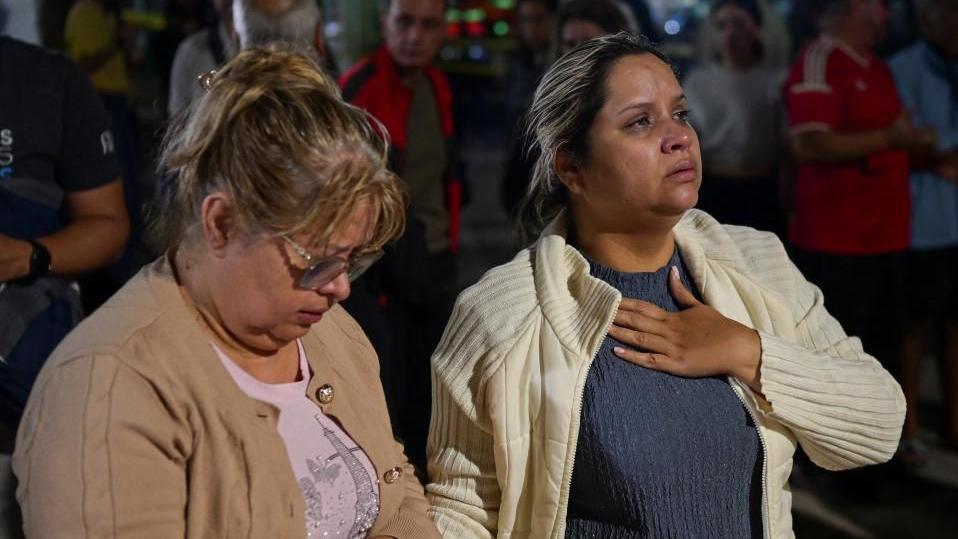
Late Sunday, two deadly earthquakes of magnitudes 7.1 and 7.2 slammed Venezuela’s capital, Caracas, and the northern La Guaira state, igniting a disaster that is unfolding while the country’s political leadership remains in flux. Residents of the city’s downtown core and suburbs have seen multi‑storey buildings collapse, leaving people trapped under rubble and demanding urgent rescue efforts.
Sovereign Turmoil
Only six months after U.S. forces seized former President Nicolás Maduro from his Caracas compound, Venezuela’s interim president, Delcy Rodríguez, stepped into power. The July raid left cracks in governance that this day’s catastrophe has exposed. In a televised address, Rodríguez urged the nation to unite, declared a state of emergency, and appointed General Juan Ernesto Sulbarán of the National Guard to spearhead recovery.
Infrastructural Challenges
Decades of sanctions, mismanagement and a prioritisation of military procurement over civilian infrastructure have left much of Venezuela’s public housing stock in disrepair. A shortage of cement, a percolating artisanal debt back‑crash, and the dumping of unfulfilled repairs are major reasons why buildings have failed blastingly. The National Guard has meanwhile been tasked with clearing rubble, a duty traditionally reserved for specialised civil‑protection units.
Government Response and International Aid
A stark departure from past policy, Rodríguez has openly thanked foreign governments that offered aid, notably the United States and several right‑wing allies in the region. She noted that “solidarity between our people is an invaluable source of strength” in days of mourning. Emergency services, however, have suffered from chronic under‑funding, a reality that may force agencies to rely heavily on international assistance.
What You Can Do in the Metaverse
At metaworld.media you can view live, first‑hand footage from press conferences, participate in virtual rescue drills with local agencies, and explore the affected zones through immersive 3‑D models – all designed to give you a thorough sense of the crisis from a unique perspective. Because we report from the ground level in real time, you can ask questions that effect change on demand.
For up‑to‑date developments, hit the link to our live feed here:Follow live updates.