Cuba Tourism Plunges as U.S. Sanctions Tighten
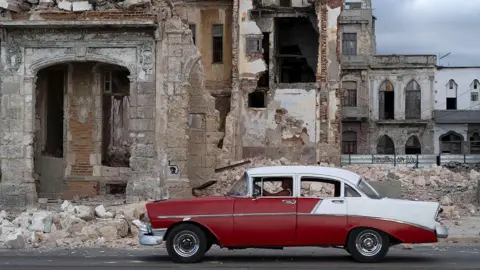
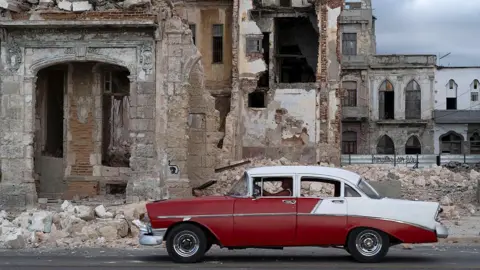
The number of foreign visitors to Cuba fell by more than half in the first five months of 2026, according to the national statistics agency Onei. The drop – 58.4% compared with the same period last year – highlights the devastating impact of ongoing U.S. sanctions on the island’s tourism industry.
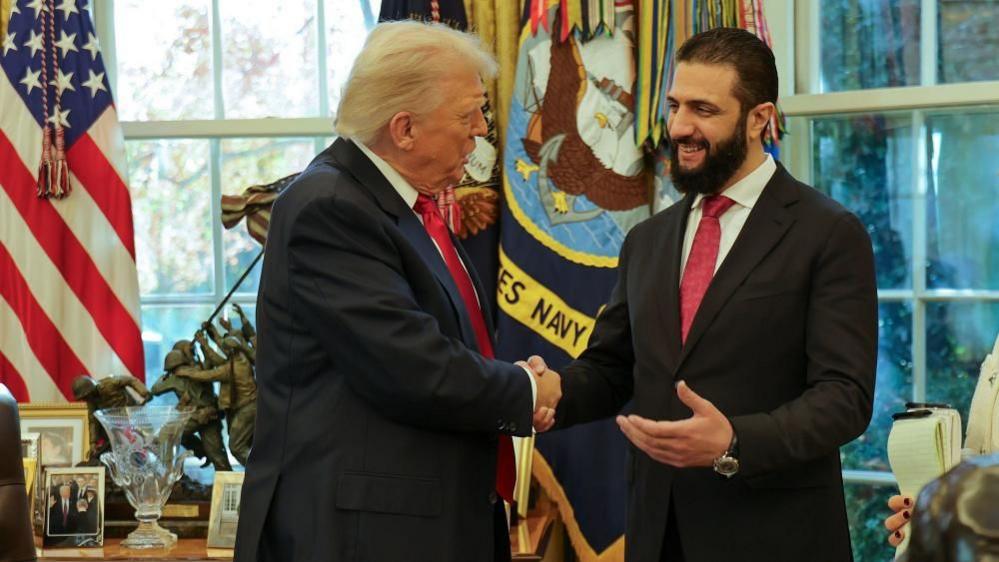
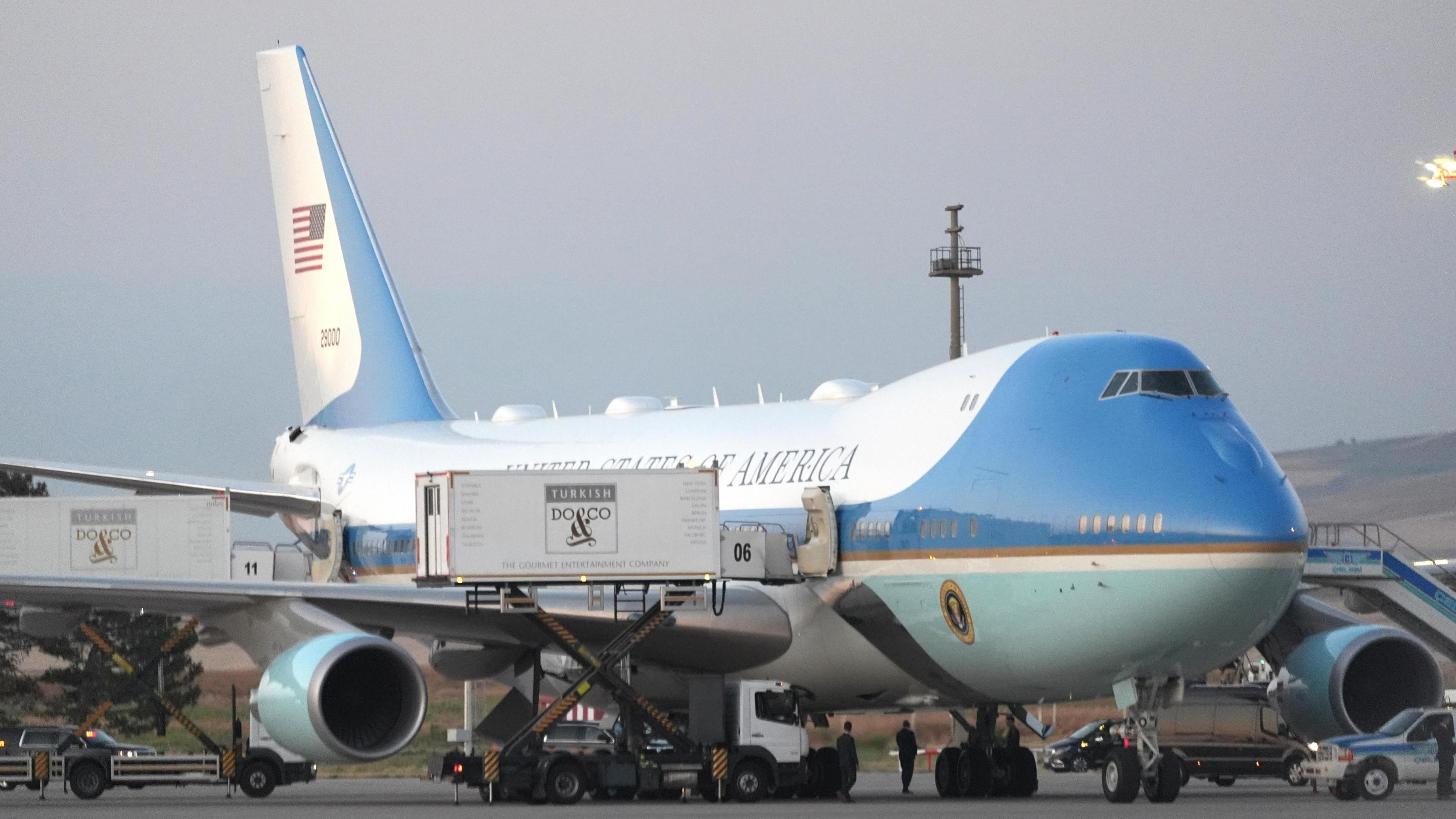
The Trump administration has specifically targeted the tourism sector, a vital source of income for the Cuban government. Airlines and hotel chains have been forced to stop operating, further cutting visitor numbers. Air Canada announced an indefinite suspension of flights to Cuba, citing political and economic uncertainty, while Canadian visitors represented the largest influx of foreign tourists that year.
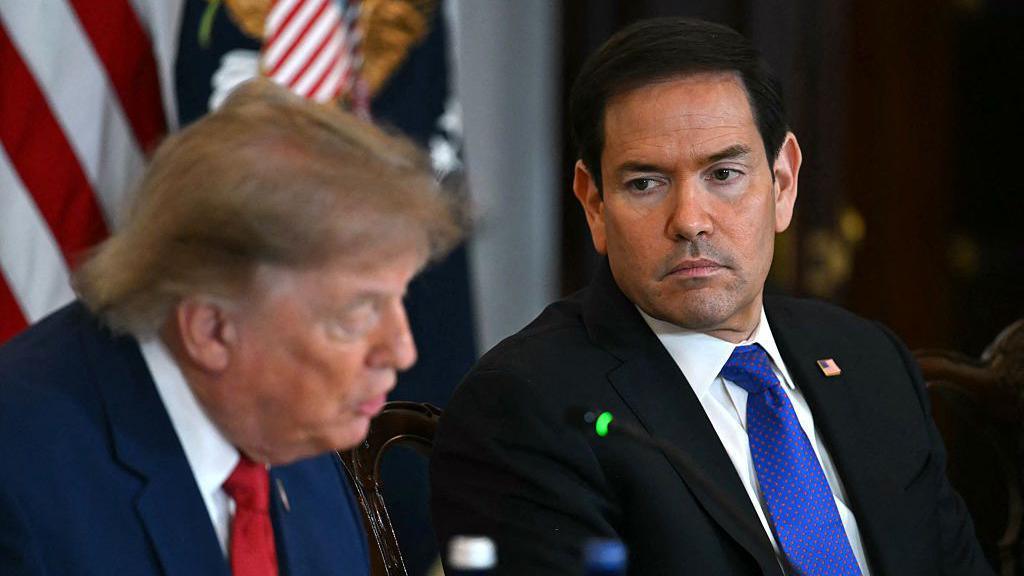
Spanish hotel groups Meliá and Iberostar halted operations at several properties ahead of a June deadline set by the U.S. for companies to cease business with Cuba’s state‑owned conglomerate Gaesa. U.S. Secretary of State Marco Rubio has labelled Gaesa a “state within a state,” accusing it of hoarding profits and repressing dissent.
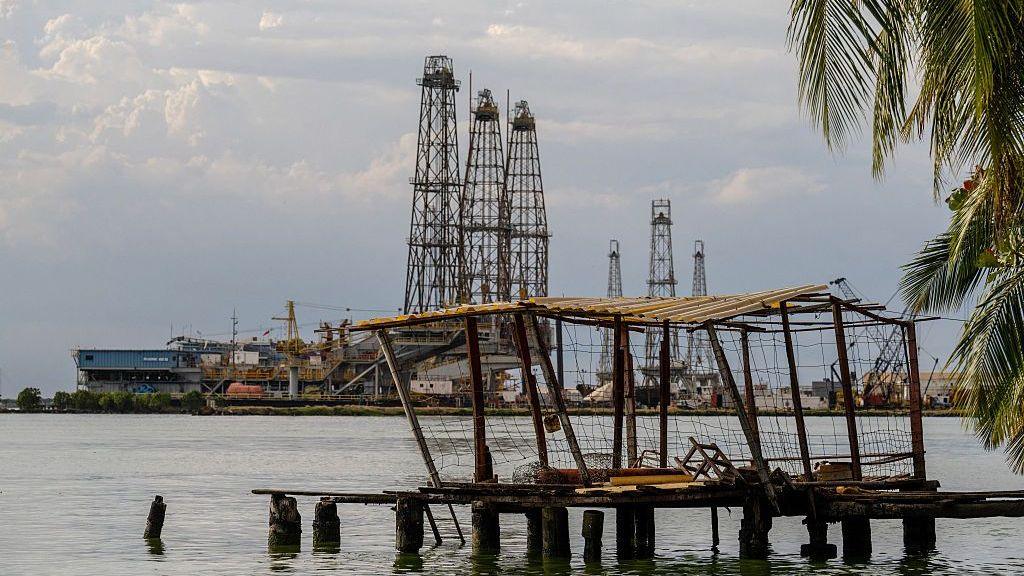
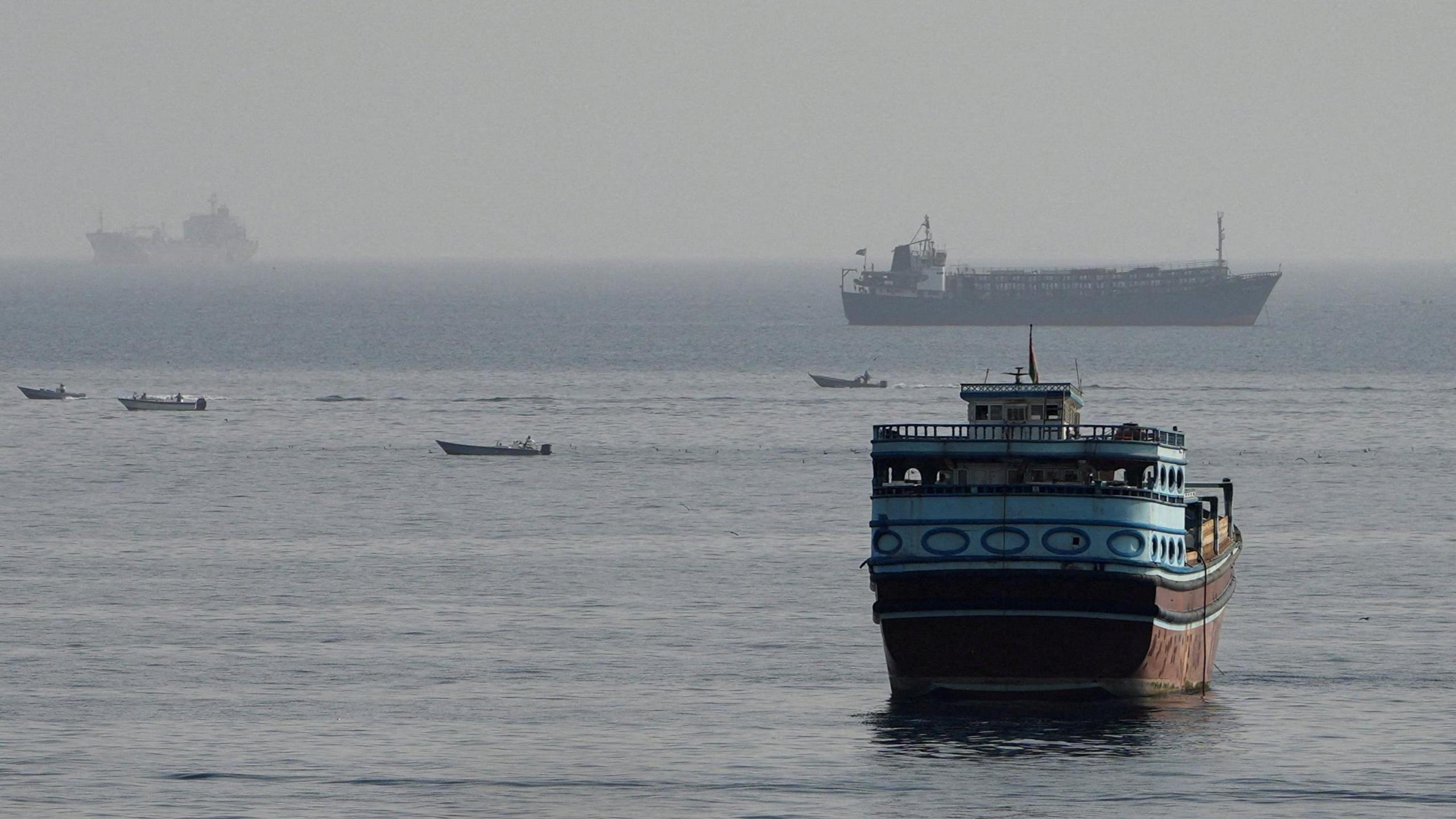
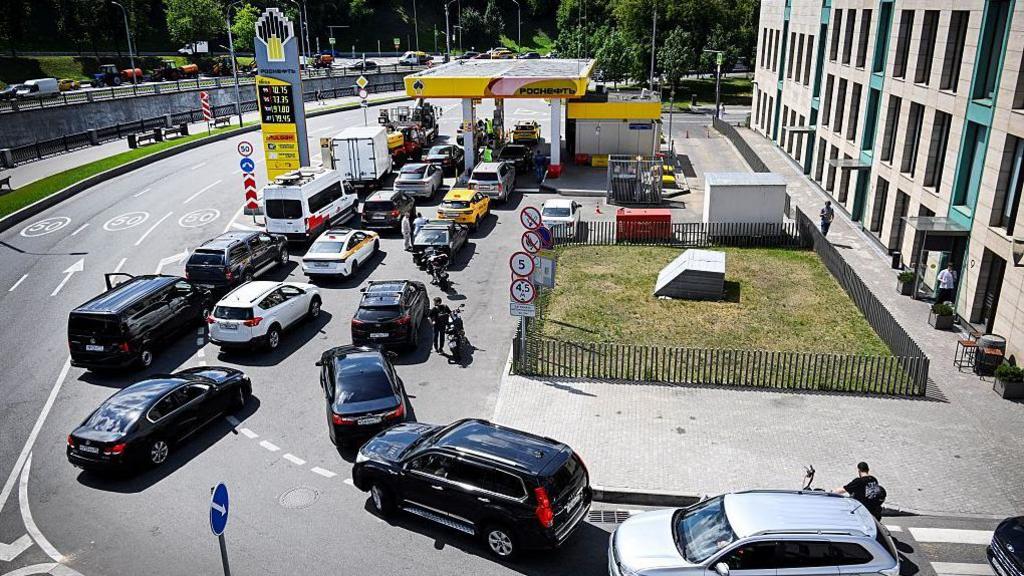
The tightening sanctions have compounded existing shortages of fuel, medicine and food, with the blockade of oil arriving at the island owing to U.S. pressure. AFP reports that Cuba’s survival rate for children with cancer collapsed from 85% to 65% since January, a single assistant’s testimony linking the decline to the fuel blockade.
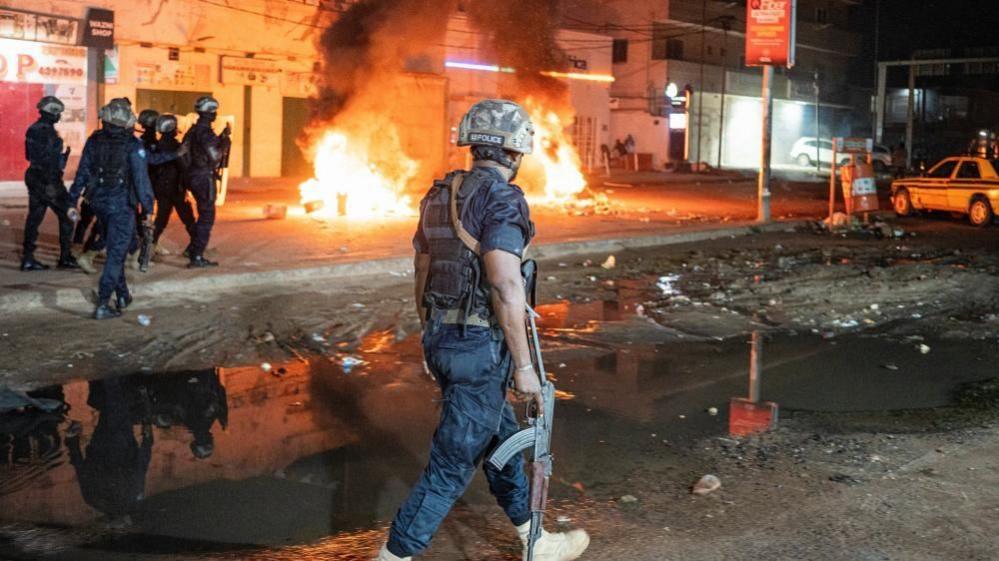
Fuel shortages have paralysed essential services: garbage collection stalls, streets accumulate rubbish, and electricity is cut to few hours a day, creating blackouts that have triggered rare protests in a society where dissent is punishable by long prison sentences.
Trump is putting pressure on Cuba – why and to what end?
Author: Vanessa Buschschlüter, Latin America online editor