In brief
Kenya's fuel costs have skyrocketed, with diesel prices increasing by 40 shillings and petrol by 28, as the global supply crisis stemming from the Iran conflict drives up prices. Despite a cut in value-added tax, the energy regulator cites rising global costs. Concerns about fuel shortages are being overshadowed by a scandal involving a substandard fuel consignment. The situation reflects a broader energy crisis impacting many African nations.
Kenya has sharply raised the cost of petroleum, with diesel prices rising by a record margin despite a fuel tax cut, due to the ongoing conflict in Iran pushing up global oil prices.
In its latest review, the energy regulator raised the cost of diesel by 40 Kenya shillings to 206 ($1.6; £1.2) a litre, while petrol rose by 28 shillings to a similar level. This adjustment reflects higher global oil and shipping costs, even as the government reduced the value-added tax to 13% from 16%.
The new prices will remain in effect until May 14 when the next review is scheduled.
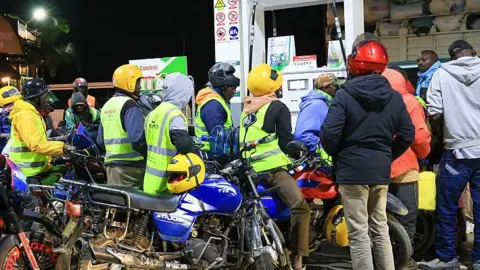
Reports indicate fuel shortages in some regions of the country, but the government insists that fuel stocks are sufficient and has accused some companies of hoarding supplies.
The controversy is further intensified by allegations surrounding a substandard fuel consignment imported last month outside government-to-government arrangements, which has led to public outcry and demands for accountability.
The government previously stated it canceled the consignment due to concerns over quality and cost, barring oil marketers from distribution. This issue contributed to the resignation and arrest of senior energy officials and is currently under investigation.
Amid all this, the Energy and Petroleum Regulatory Authority (Epra) confirmed that the disputed consignment was not included in the newly set prices.
Current fuel price rises coincide with a global fuel crisis aggravated by the US-Israel war with Iran that originated on February 28. While a conditional two-week ceasefire was agreed upon recently, worries persist that the crisis may worsen, with shipments through the key Strait of Hormuz remaining virtually stagnant.
In response to the crisis, various countries have implemented measures to alleviate consumer impact, including tax cuts and resource management. Kenya's VAT reduction is projected to last until July, aligning with similar initiatives in South Africa, Zambia, Namibia, and Ghana, among others.