In brief
As household electricity prices continue to climb, elections to control utility regulators are becoming fiercely contested in states like Arizona and Alabama. In Arizona, the Salt River Project faces pressure from organizations like Turning Point Action, while Alabama’s Public Service Commission overhaul pushes forward amidst complaints of high utility rates. With record voter turnout and a mix of influences from environmentalists and energy developers, this political landscape is rapidly evolving.
TEMPE, Ariz. (AP) — Rising household electricity prices and controversy over data centers are reshaping low-profile elections for control over utilities that build power plants and power lines — and then bill people for the cost.
The tensions played a prominent role during last year’s elections in Georgia, New Jersey and Virginia, and now they’re sweeping through Arizona and Alabama, where once-sleepy contests are becoming political brawls.
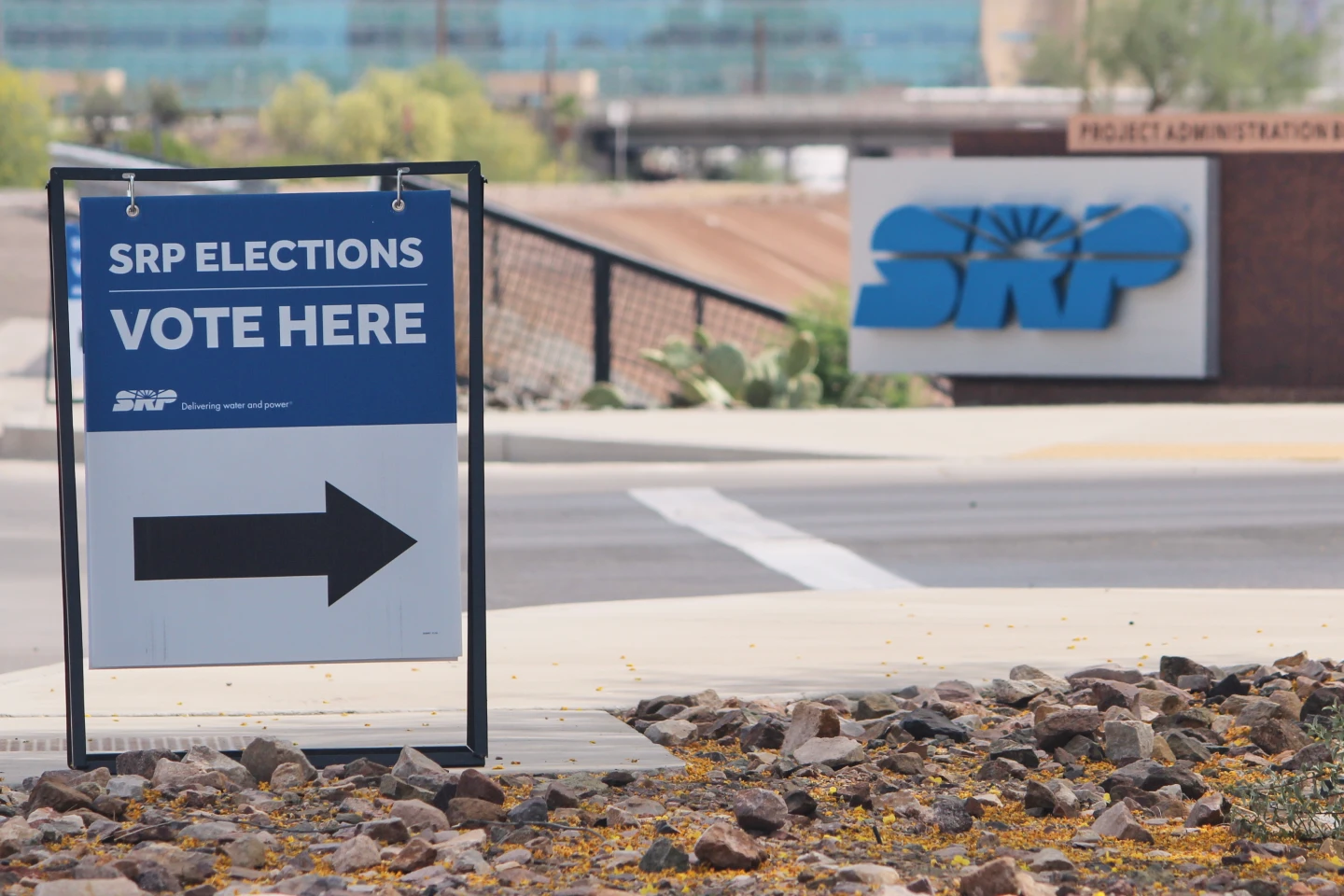
In Arizona, more than three times as many voters requested early ballots than two years ago for the Salt River Project elections, reflecting heightened engagement. Campaign organizations are converging, seeking to influence the future of energy in a state whose demand is rapidly growing due to development.
On the other hand, Alabama's rising energy bills are driving significant changes to the Alabama Public Service Commission, aiming to make it more responsive to consumer needs with an emphasis on affordability.
The landscape is complex, marked by competing interests from renewable energy advocates to traditional energy developers, with voter turnout already exceeding earlier elections, raising the stakes for both parties involved.