In brief
Residents in West Virginia, such as Rebecca Michalski, are struggling with increasing electricity costs that far exceed their incomes. With bills surpassing rent and mortgage payments, many are forced to choose between basic necessities. The rise in utility prices, amidst promises from politicians like Trump, is igniting frustration among locals as they face the hardest winter financially compared to previous years.
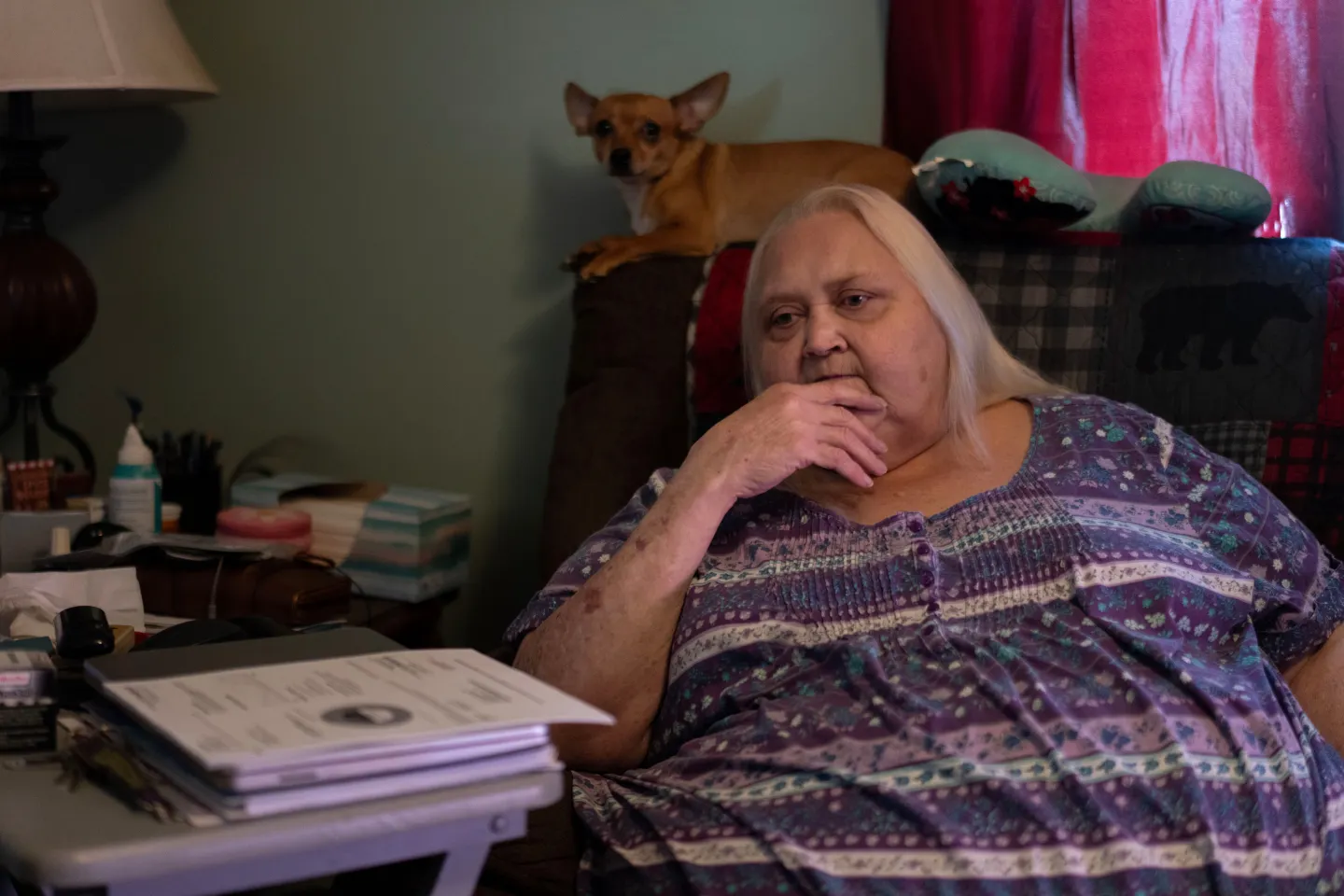
Rainelle, W.Va. — Every month, Rebecca Michalski takes a deep breath before checking her electric bill, which recently reported a staggering charge of $940.08, exceeding her monthly income. On a fixed income, Michalski, along with many other West Virginians, is grappling with the unexpected burden of rising utility costs that are surpassing even basic living expenses, effectively forcing some families to make impossible choices between food and heating their homes.
Despite careful energy usage, including turning off lights and using energy-efficient bulbs, she struggles to keep pace with payments as her bills accumulate, pushing her deeper into debt. Alarmed by the soaring costs, she and many others have taken to social media to express their frustrations and demand answers about the general perception that energy should be affordable even in one of the nation's most resource-rich states.
President Trump previously promised to cut electricity prices significantly during his time in office. However, it appears that whatever gains made have fallen short as the national average electricity and gas prices increased by 4.8% and 10.9% respectively in February alone. These rising costs are coupled with factors such as increased demand and extreme weather, causing financial strain that resonates with many residents.
In reaction to these ongoing pressures, local sentiments suggest that both political parties have become disconnected from the realities faced by ordinary citizens in West Virginia. Michalski highlights that despite promises from political leadership, little has changed regarding energy costs, leading her to reconsider her support for those who previously vowed to help reduce bills.
Moreover, as personal stories reveal, whole communities are not only facing heightened energy expenses but are also encountering crises in their ability to pay for food and essential resources. Michalski's experience underscores a growing narrative of disillusionment as voting for leaders swayed by industry interests fails to yield direct benefits for residents dealing with skyrocketing costs.
With about one-third of West Virginia households considered 'energy burdened', further action is urgently needed as the cries from constituents fall on predominantly deaf ears within the state legislature. The pushback against recent utility hikes, as well as calls for further assistance, seem to have produced little traction among lawmakers, leaving many with no respite in sight.