In brief
As Kentucky sheep farmer Daniel Bell finds his renewable energy plans stalled by federal policy changes, the overall landscape for agricultural solar projects in America reveals a stark reality: a significant reduction in federal support for solar energy initiatives. Undeterred, some farmers pivot towards alternative solutions while others find themselves grappling with the consequences of halted grants and shifting regulations.
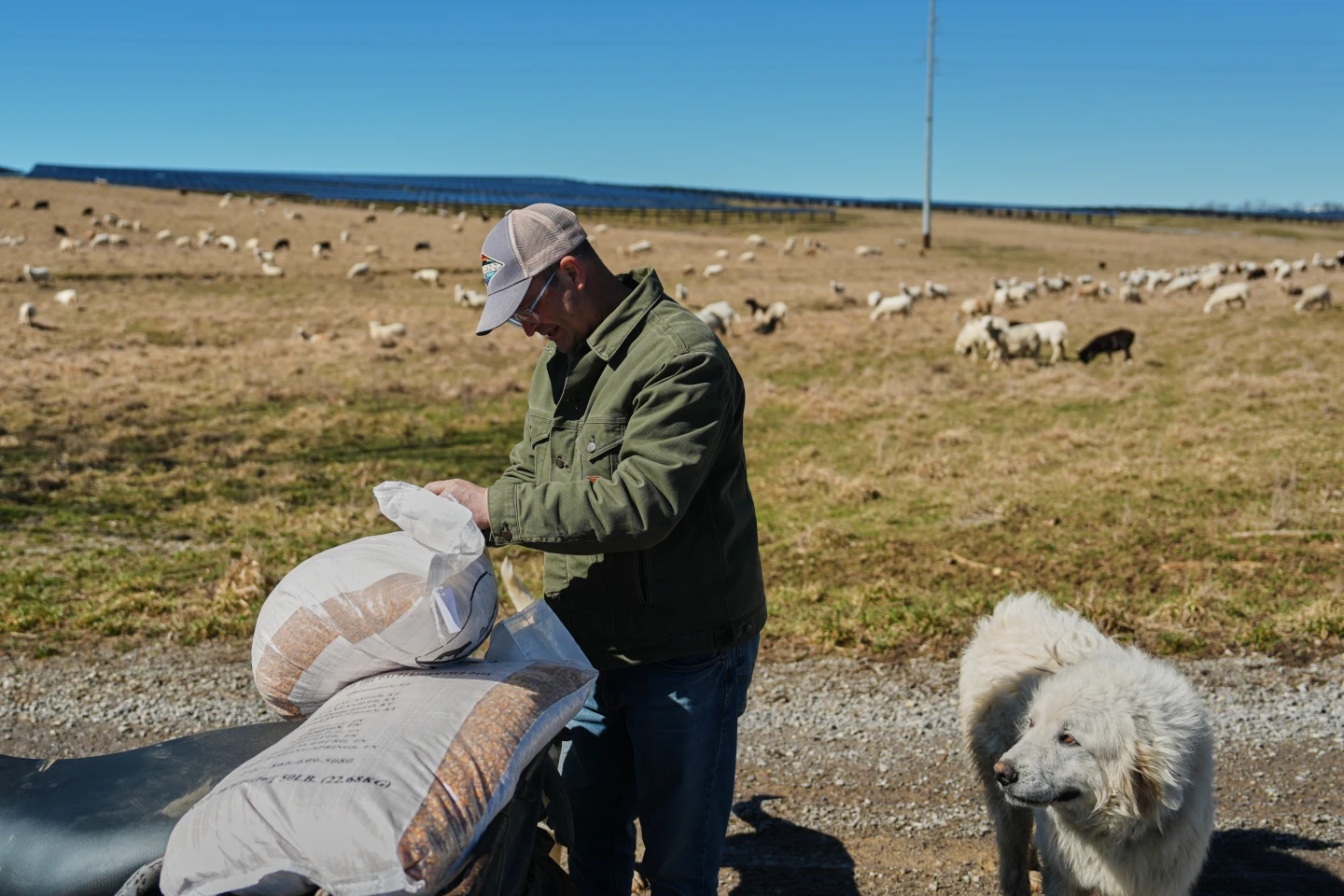
Over the past few years, Kentucky sheep farmer Daniel Bell has been expanding his flock, necessitating a new barn. With the distance from power lines, he identified rooftop solar as an ideal solution. However, seeking renewable-energy grants through the Department of Agriculture’s Rural Energy for America Program (REAP), he encountered a halt in grant disbursement under the Trump administration.
Bell emphasizes the importance of energy independence in controlling bills and managing resources: For me, it’s just been about freedom. Freedom to lower bills, freedom to control my own assets. His plans took a hit as the REAP program faced setbacks. Similarly, many farmers attempting to cut electricity costs through solar installation now face a bleak financial outlook, with significant rural energy projects remaining unsupported.
Data reveals that the USDA has yet to provide any funding in renewable energy development since September, signaling a worrying trend for sustainable energy projects in agricultural settings. As policy changes continue shaping the landscape, some farmers seek alternative methods to integrate renewables into their operations, underlining the profound impact of shifting federal regulations on sustainable agriculture.