The Silence of Washington on UK Sanctions
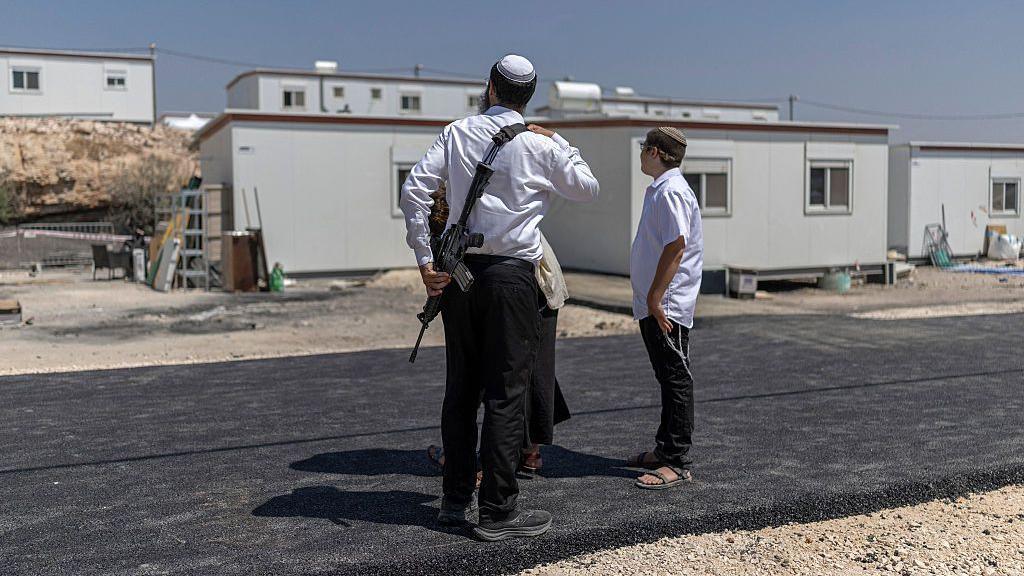
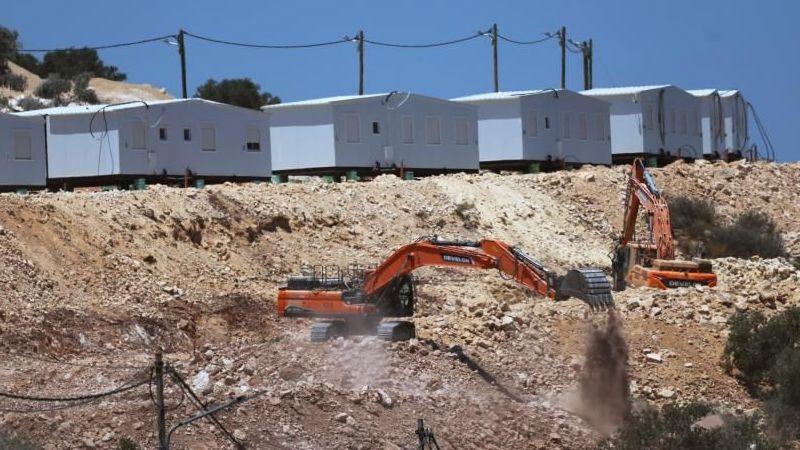
On 9 September 2026, Britain announced a trade ban on Israeli settlements in the occupied West Bank, declaring the move a moral imperative to protect a potential two‑state solution. The Israeli government retaliated in powerful terms – threatening to shut down the British diplomatic mission in Palestine, evict UK military staff from a joint Gaza coordination base and bar a dozen left‑wing UK MPs from entering the country.
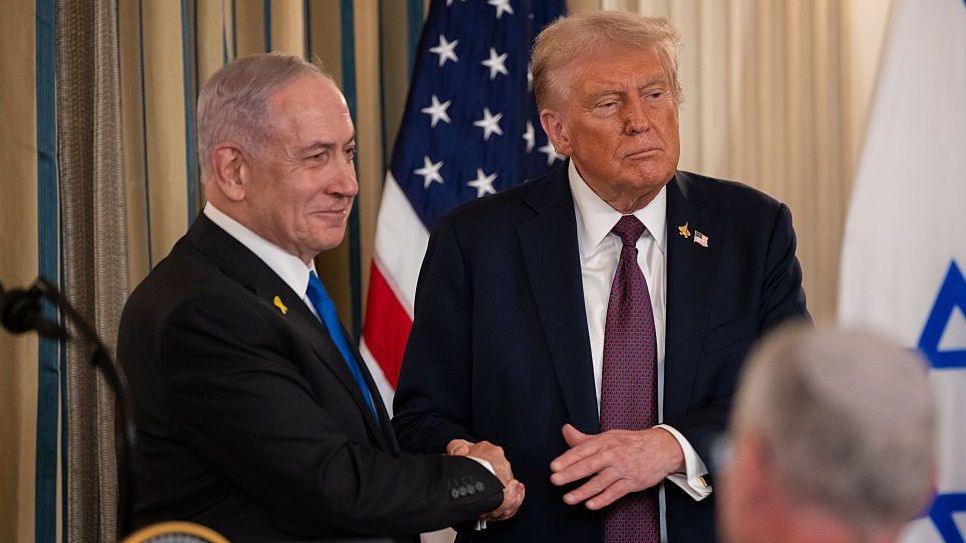
While the UK and many European allies have openly criticized settlement expansion, the United States has supplied only minimal commentary. Secretary of State Marco Rubio, on a trip to Colombia, acknowledged the UK’s announcement but declined to comment further, stressing that Washington shared the goal of stability and was wary of inflaming violence in the West Bank. President Trump, meanwhile, indicated a willingness to speak with Israel to understand the sudden move but did not publicly confront Israel or the UK.
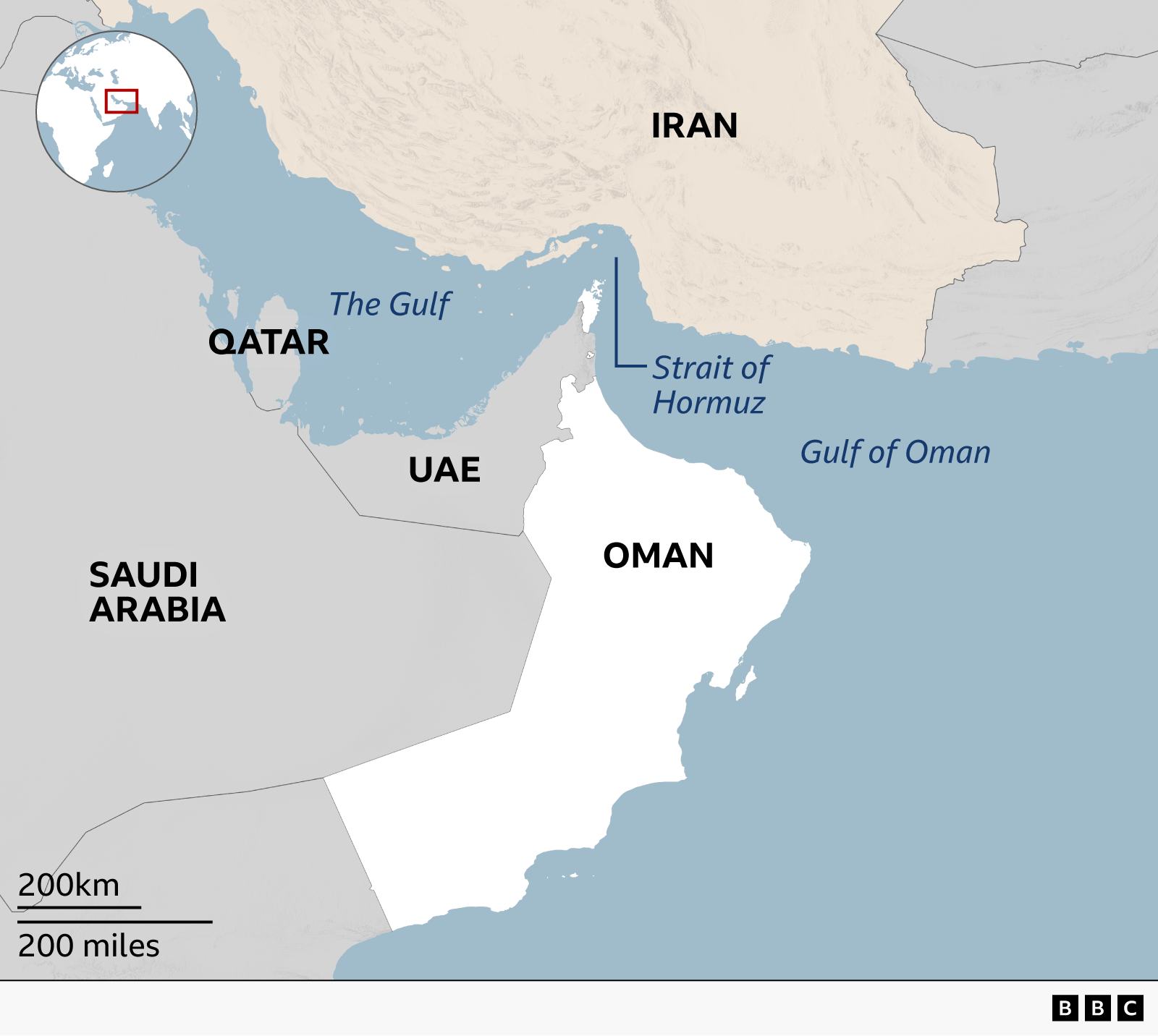
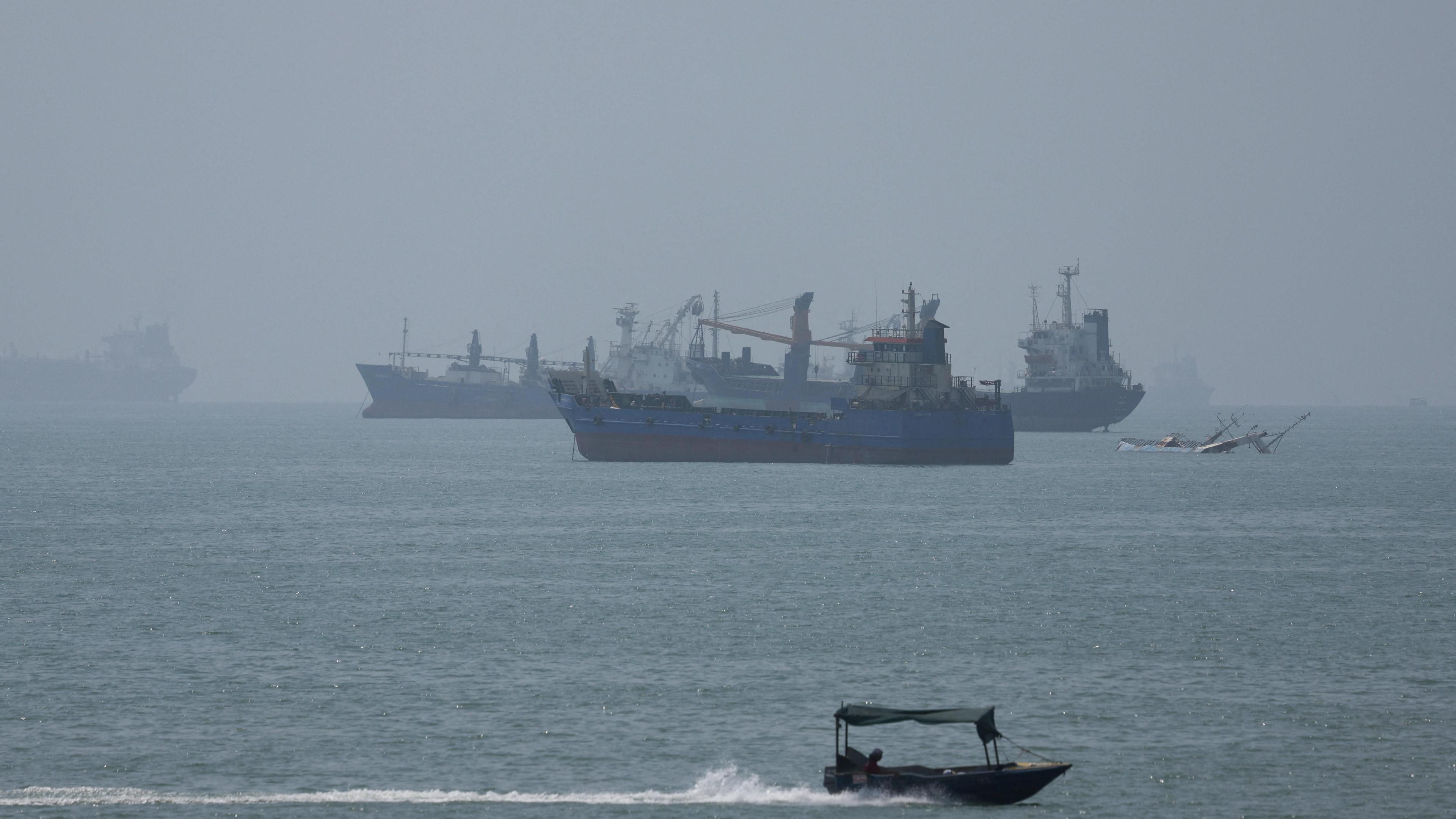
The U.S. abstention may reflect deeper frustrations within the Trump administration. Its top focus remains easing tensions in the Strait of Hormuz and promoting a Gaza peace initiative—objectives that clash with a hard‑line approach to Israeli settlement policy and the escalating violence of settlers in Palestinian communities.
As the diplomatic undercurrent tightens, observers wonder whether Washington will eventually issue a formal rebuke of Britain’s sanctions or whether it will continue to sidestep the issue, seeking to balance its strategic alliance with Israel against broader international criticism of the settlement enterprise.