In brief
Britain, alongside eleven other nations, has outlawed products made in Israeli settlements, prompting a furious and swift backlash from Israel’s government. The move, grounded in the recently ratified International Court of Justice ruling, reflects a bold reassessment of UK foreign policy. Israeli officials have closed the British consulate in East Jerusalem and cut ties with the International Gaza Support Centre, while the Palestinian side applauds the sanctions as a step toward statehood. The unprecedented scale of the UK's action has stoked fears of further isolation for Israel and re‑ignited long‑standing tensions over the West Bank.
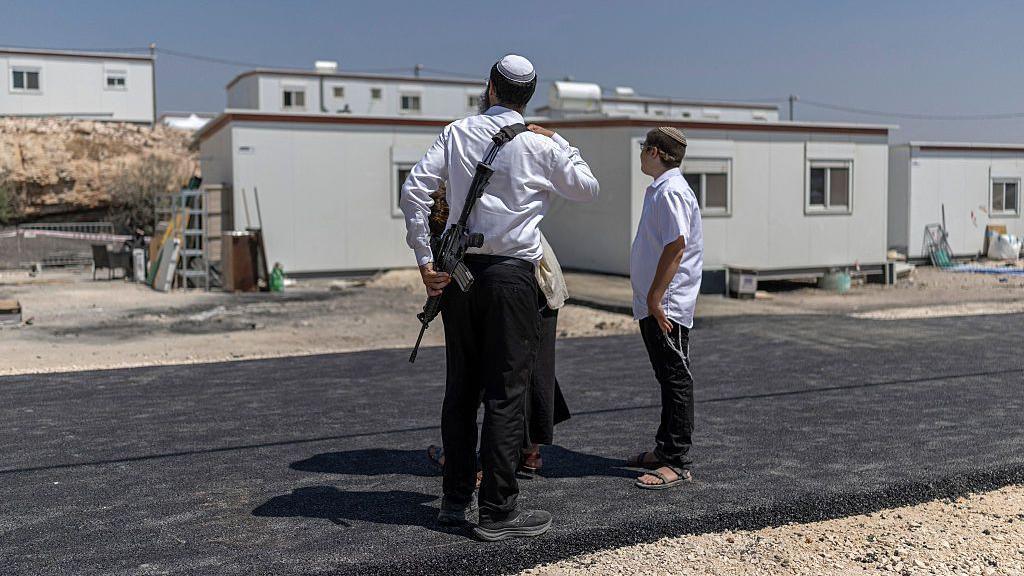
Britain, with eleven other allies, has outlawed products manufactured in Israeli settlements in the occupied West Bank, a decision backed by the International Court of Justice’s 2024 ruling that the occupation is unlawful. This bold step signals a dramatic pivot in UK foreign policy and has been met with a ferocious response from Israel.
Israel’s reaction included the closure of the British consulate in East Jerusalem and the removal of British representatives from the International Gaza Support Centre. Such gestures underscore the depth of Israel’s displeasure and suggest the diplomatic rift could deepen further.
The UK’s measures go beyond mere trade concerns. They target companies involved in settlement construction, infrastructure, and financial services, and even restrict arms sales that materially support settlement activities. The breadth of the sanctions—far beyond what many had anticipated—highlights the seriousness with which Britain is addressing the settlement issue.
For Palestinians, the sanctions mark a perceived turning point. The Palestinian foreign ministry welcomed the action, urging concrete steps to end Israel’s illegal settlement expansion. Conversely, Israeli officials, lamenting what they call “settler terrorism” and “ethnic cleansing,” view the sanctions as a nationalist indictment of their state’s policy.
The diplomatic fallout reverberates beyond London‑Tel Aviv exchanges. The United States, with its own strategic and religious ties to Israel, watches closely, as its approach could either amplify or dampen the pressure. Meanwhile, the future of a viable Palestinian state remains uncertain, with most nations failing to lift the occupation’s geopolitical momentum.