Iran Warns of Heavier Response as US Attacks Escalate in Gulf
On Sunday, Parliament Speaker Mohammad Bagher Ghalibaf cautioned that Tehran would respond to U.S. strikes with a “faster, heavier and more painful” counter‑action. His statement followed a week of mutually hostile incidents involving Iranian oil tankers and American warships in the region.
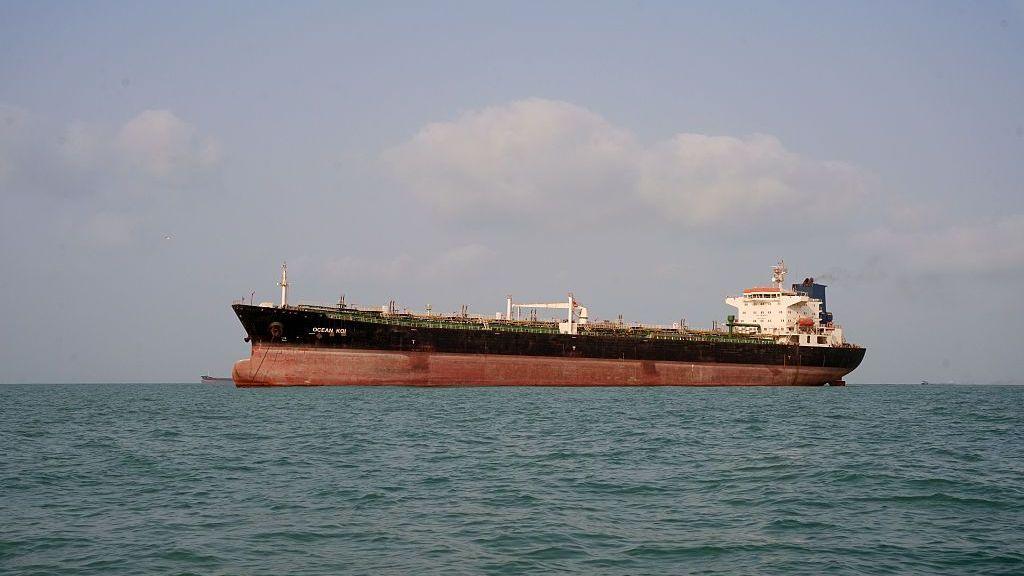
Ghalibaf’s remarks, translated from state‑controlled media, stressed that the “rules of the game have changed” and warned Americans “before it is too late.” This comes a day after Washington reported striking Iranian‑linked tankers in retaliation for what it described as Iranian aggression against U.S. vessels.
US Central Command (Centcom) has confirmed the footage of the attacks but denied claims that Iran’s navy shot down a remote‑controlled U.S. vessel attempting to enter the Strait of Hormuz. “The report comes from Iranian state media and it's a total lie,” said Centcom spokesperson Captain Tim Hawkins.
The U.S. Defense Secretary, Pete Hegseth, amplified the threat on social media, stating, “If Iran shoots at US ships, we will destroy (and sink) their oil tankers.”
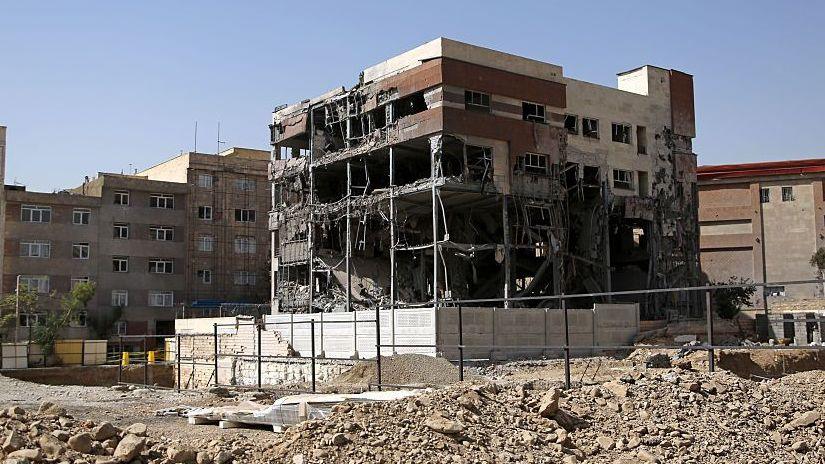
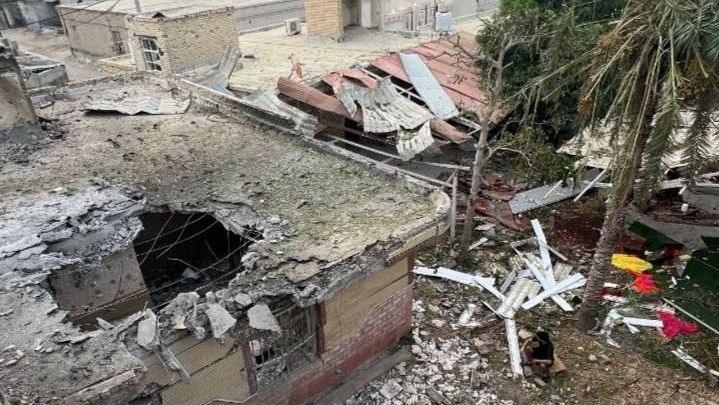
The 60‑day ceasefire that ended last month was shattered when the U.S. resumed attacks on Sunday. Over the past week, both nations have targeted each other’s assets in the Gulf, the United Arab Emirates, Bahrain, Kuwait and Jordan.
President Donald Trump has repeatedly suggested that the conflict would not linger, a stance mirrored by his administration’s early claims at the war’s onset. Yet diplomatic negotiations have stalled, with no sign of a lasting settlement.
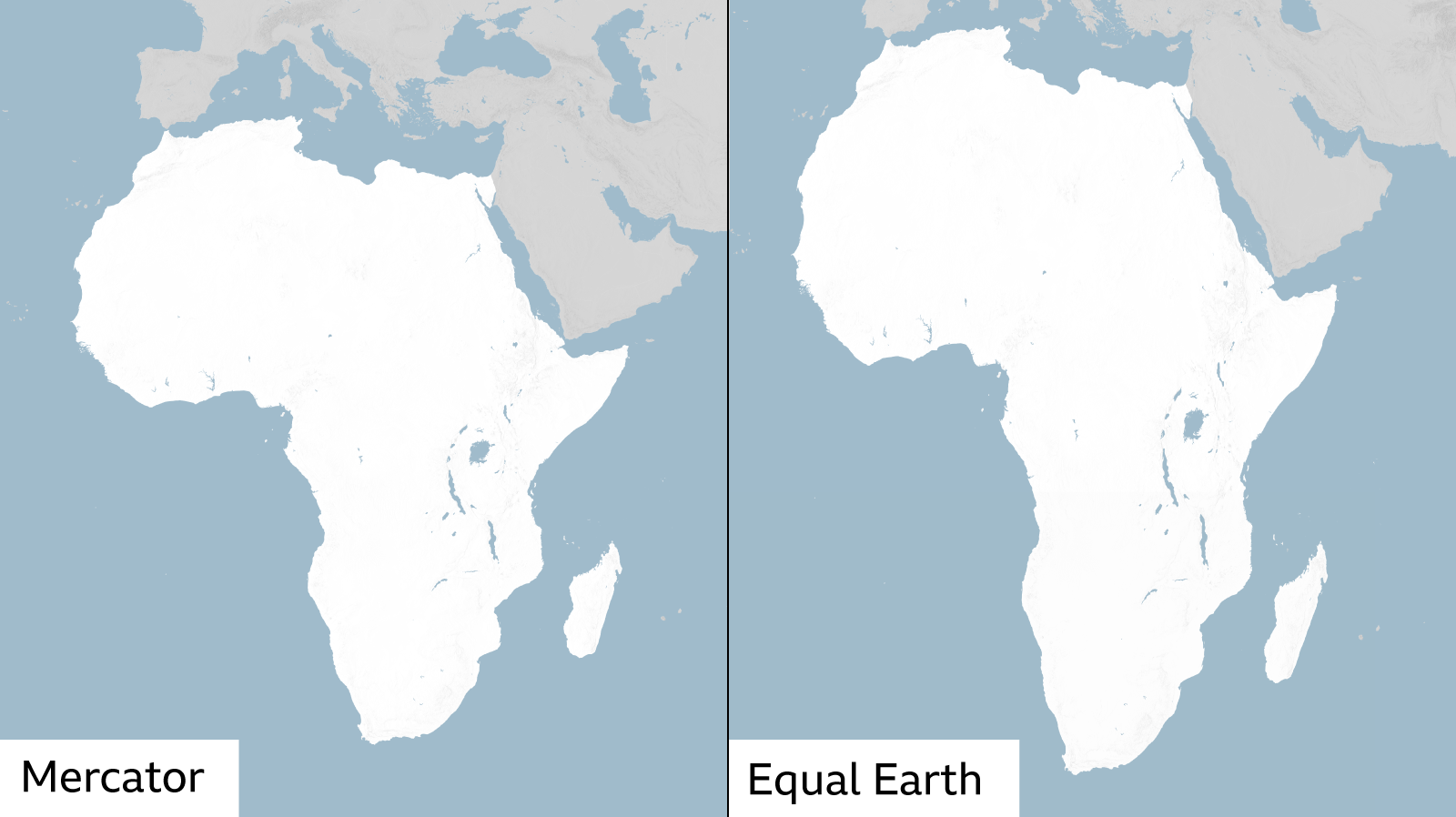
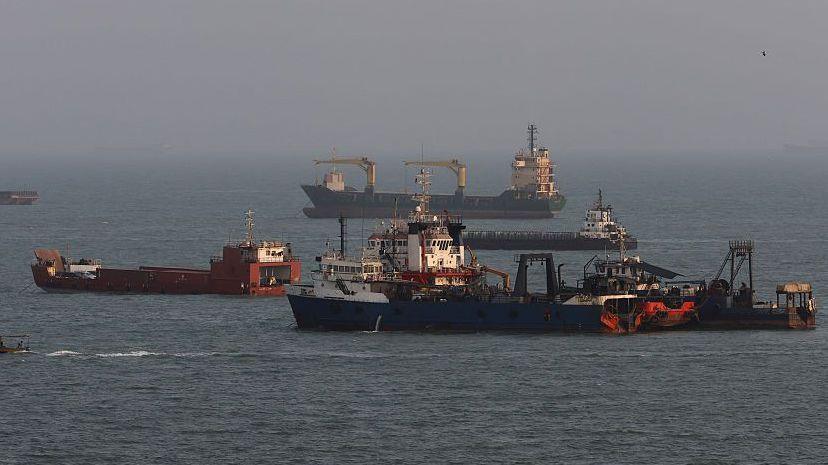
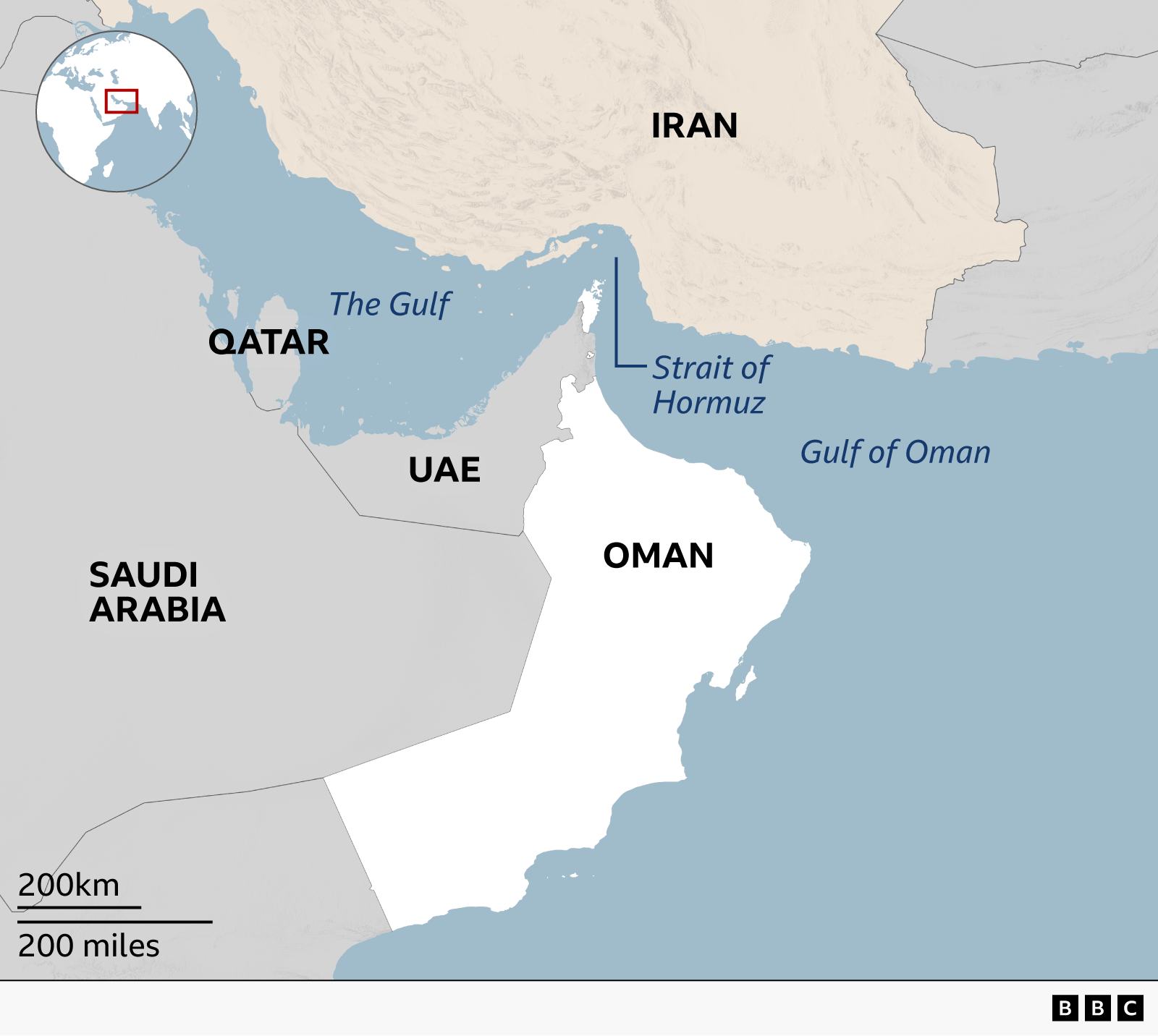
The Strait of Hormuz, critical for global oil and gas flows, has been effectively closed since the war began. Iran remains firm in maintaining a level of control over the waterway, while the U.S. insists on keeping the strait “open” and assists vessels navigating the southern route.
The war’s impact is felt worldwide, with the average diesel price in the U.S. reaching $5.85 a gallon this week, up from $3.71 a year earlier. Energy Secretary Chris Wright indicated that approximately 9 million barrels of oil per day currently transit the Strait, roughly two‑thirds of pre‑conflict flows.
According to Wright, gas prices may ease as summer demand wanes after Labor Day.