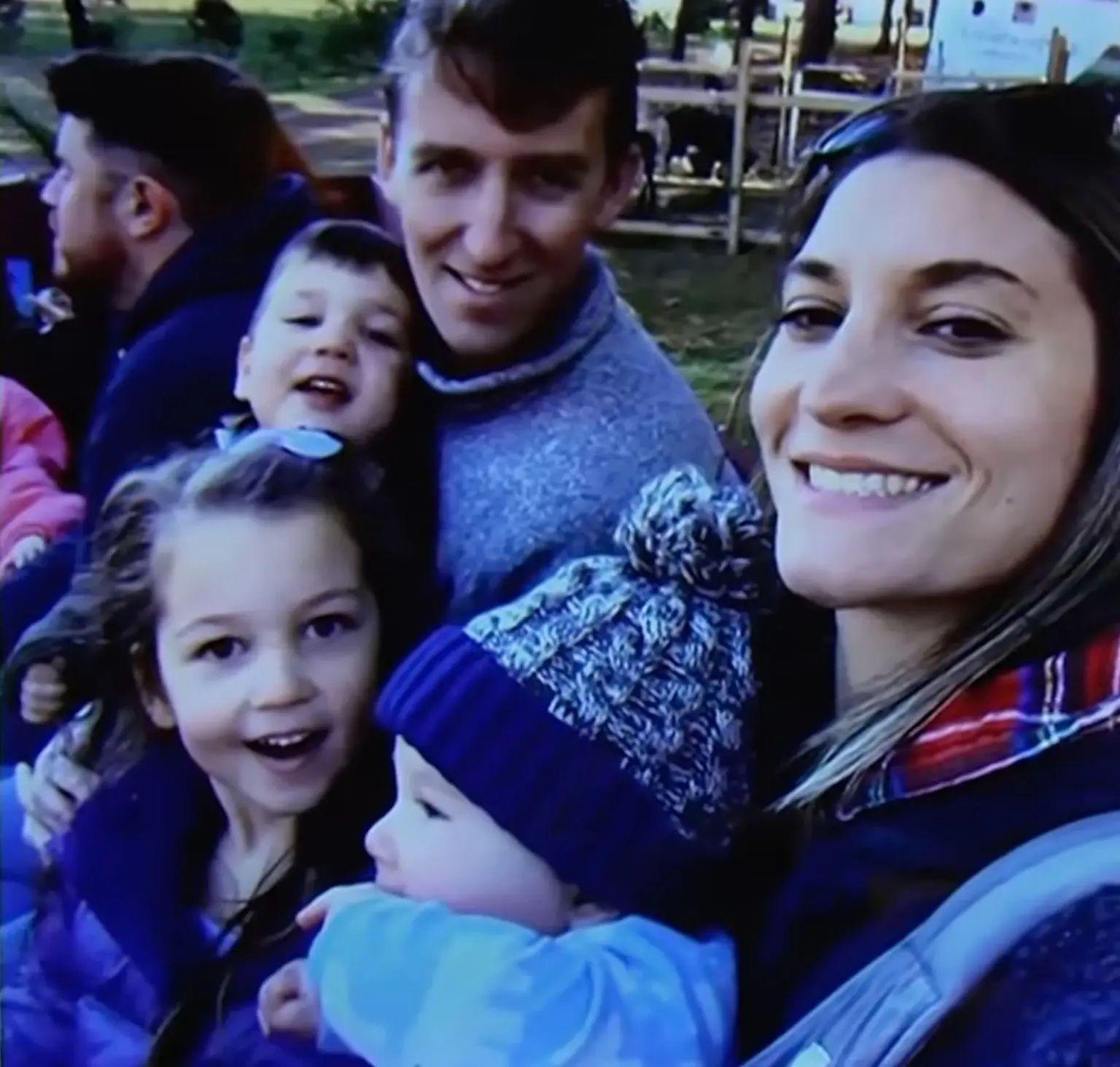
In brief
In December 2023 a judge in Plymouth County, Massachusetts declared a mistrial in the highly publicized murder case of Lindsay Clancy after a week of jury deliberations that ended in a deadlock. Clancy was never found guilty yet still faces three first‑degree murder charges and remains confined in a mental‑health facility. Prosecutors will decide at a September hearing whether to hold another trial or negotiate a plea deal. The case has stirred nationwide debate over postpartum psychosis and sparked comments from President Donald Trump, who called it a “horrible tragedy.” A range of mental‑health resources are highlighted for those affected by distress.
Warning: This story contains distressing details about a murder and suicide attempt. If you need support, contact a health professional or an organisation listed below.
The Massachusetts court heard a week of testimony before a 12‑member jury decided they could not reach a unanimous verdict in the case of Lindsay Clancy, who is accused of murdering her three children. Judge William Sullivan declared a mistrial, because a deadlock means the jury could not agree “beyond a reasonable doubt.” The judge’s rule is that a conviction must be unanimous, so the deadlock leaves the case neither proven nor disproven.
Clancy, a 36‑year‑old former nurse, remains charged with three counts of first‑degree murder and remains in a mental‑health treatment facility. The prosecution can now choose whether to have a new trial or to negotiate a plea agreement. A hearing on 29 September will let the lawyers and prosecutors decide the next step.
Reddington, Clancy’s lead counsel, frantically asked the state’s highest court to force the jury to continue deliberating and to address a holdout juror that allegedly caused the deadlock. The court denied the request, paving the way for the mistrial. Clancy appeared downcast as the judge announced the ruling; her lawyer remained visibly upset and argued the judge had authority to dismiss the holdout juror.
Outside the courtroom, the case became a national talking point. President Donald Trump tweeted about the “horrible tragedy,” saying a new trial would likely follow. The case has also generated widespread attention on livestreams, with more than 200 media members in attendance at the Plymouth courtroom and groups of supporters outside.
Everyone’s voice – from legal experts to family members – raised questions about postpartum psychosis and mental‑health treatment for new mothers. Clancy’s lawyer argued she was suffering from postpartum psychosis, which can impair a person’s judgment. The prosecution’s stance, backed by the District Attorney, was that the evidence showed she was in control of her actions during the killings.
For anyone dealing with distress, support services such as Befrienders Worldwide and local crisis lines are available. In the UK, help can be found here. Let us know if you need further support.