In brief
A U.S. judge has mandated former President Donald Trump to complete a deposition for his defamation lawsuit against the BBC by 11 December. Trump had previously postponed a scheduled interview, citing national matters, but a BBC lawyer contended he prioritized campaign activities in Georgia. The lawsuit accuses the BBC of editing his 6 January 2021 speech to falsely imply a call for violence. Trump’s lawyers dismissed the case against the BBC’s commercial arm after the broadcaster clarified it had no role in producing the segment. Failure to comply could see the court impose sanctions, even dismiss the suit.
Judge Orders Trump to Depose in BBC Defamation Case by December 11
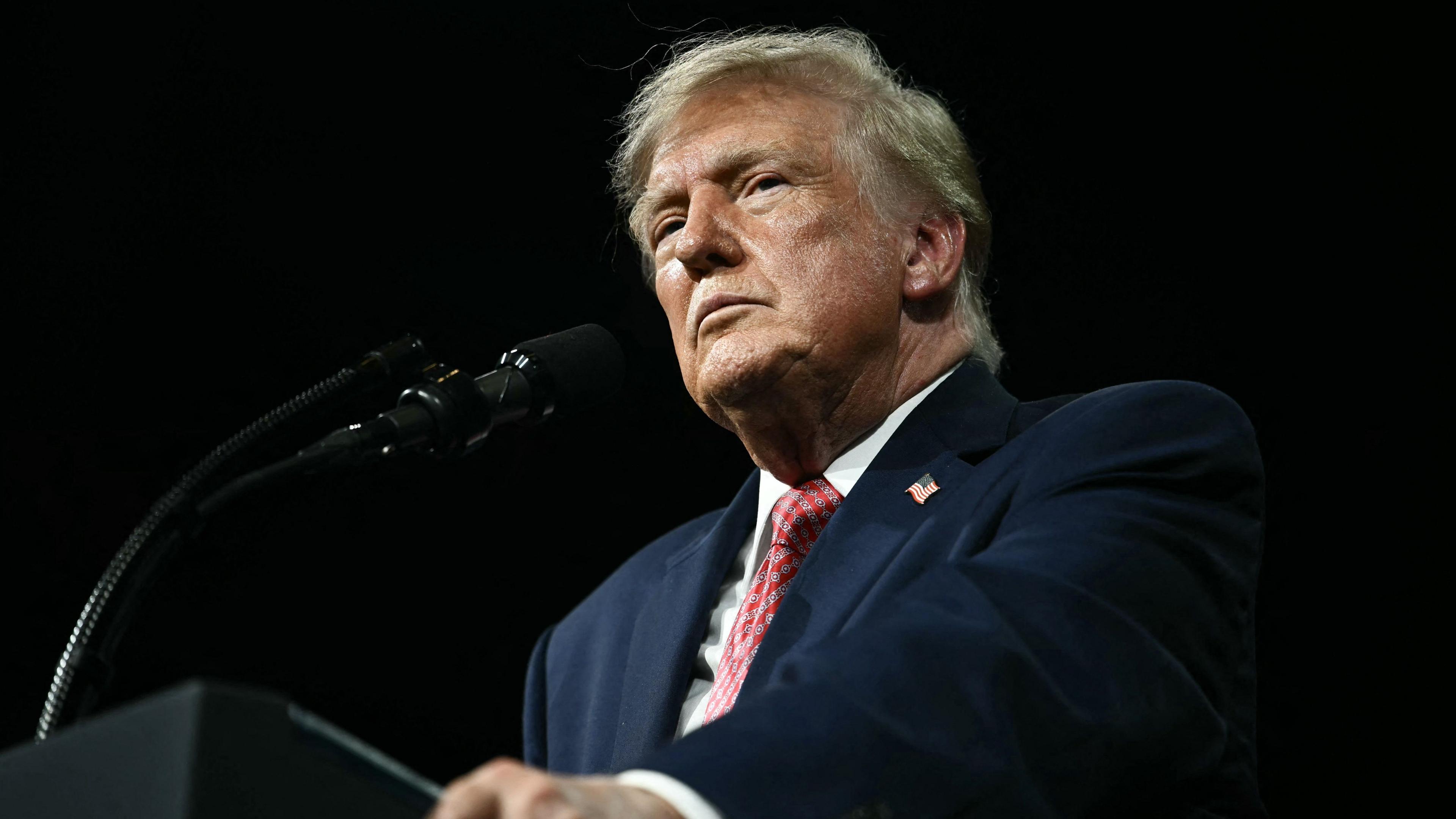
A U.S. judge has mandated former President Donald Trump to complete a deposition for his defamation lawsuit against the BBC by 11 December, or face sanctions.
The lawsuit stems from a 2023 BBC Panorama episode that edited two separate sections of Trump’s speech given outside the U.S. Capitol on 6 January 2021, suggesting a call for violent action. Trump’s legal team argued the broadcast misrepresented his words and sought damages.
Trump cancelled an earlier deposition scheduled for 16 October, claiming “matters of national importance.” A BBC lawyer testified that the former president had chosen to campaign in Georgia that day instead of sitting for the court interview.
The deposition, part of the discovery phase, is a sworn out‑of‑court statement recorded verbatim by a court reporter. In defamation cases, such transcripts can later serve as evidence, often influencing trial outcomes.
Judge Enjoliqué Lett set 11 December as the deadline for the deposition. Failure to comply could lead to sanctions ranging from monetary penalties to dismissal of the lawsuit.
Trump’s lawyers suggested he might appear for the deposition between 11 January and 22 January next year, denying that the former president is avoiding the court’s request.
The BBC has issued an apology, acknowledging a mistake in editing that gave a “mistaken impression” that Trump called for violent action. In July, the broadcaster requested dismissal of the case, arguing the program did not meet defamation criteria in the U.S. and was not available through U.S. broadcasters or the BBC’s BritBox.
Ultimately, Trump dropped the lawsuit against BBC Studios, the broadcaster’s commercial arm, after it clarified it was not involved in producing the documentary. The case now proceeds against the remainder of the BBC’s organization, pending the depositions.
By Bernd Debusmann Jr, White House reporter